A few details and a handful of photos can turn a vague estimate into a useful one. Here is what Rochester-area property owners should send when asking for a site work, excavation, clearing, pond, utility, or driveway quote.
When you reach out to an excavation contractor, the first answer you get is only as good as the information you send. "How much to dig a pond?" can mean a quarter-acre farm pond in Riga or a small wildlife pond behind a house in Penfield. "I need a driveway" can mean fifty feet of stone or a long run up a hill to a new build. Without details, any number a contractor gives you is a guess.
A few extra details up front save a round of back and forth, cut down on wasted site visits, and get you a more realistic number sooner. Here is what we recommend including in any quote request for site work, and why each piece matters.
The Location
Give us the town and road at minimum, and the street address if you are comfortable sharing it. Location affects more than travel time:
- Hauling distance for stone, fill, and spoil
- Soil and ground conditions, which vary a lot across the Rochester area
- Local rules, since each town sets its own permit and building requirements
- Water service, since it matters whether you are on Monroe County Water Authority, City of Rochester water, or a private well
With an address, we can also look at aerial imagery and get a feel for the lot, the slope, and the tree cover before we ever talk on the phone. You can check our service area to see where we work.
What You Want Done, in Your Own Words
You do not need to know the technical terms. "I want to put a garage here and the ground slopes toward the house" is a perfectly good description. So is "the water line to the barn froze last winter and I want a new one buried deeper."
Tell us what you are trying to end up with, and we can work out what the dirt work needs to be. Some examples of useful descriptions:
- "Building a house on a wooded lot. Need the house site and driveway cleared and the foundation dug."
- "Want a pond about 100 by 150 feet in the low corner of the field."
- "Need water run from the road to a new house, about 300 feet."
- "Need a stone driveway up to a new shed, around 200 feet, some slope."
- "Want to run a line under the driveway without tearing it up."
If you know which of our services fits, great. If not, describe the goal and we will sort it out.
Roughly How Big the Area Is
Paced-off dimensions are fine. Nobody expects a survey at this stage. Helpful measurements by job type:
Site Work and Foundations
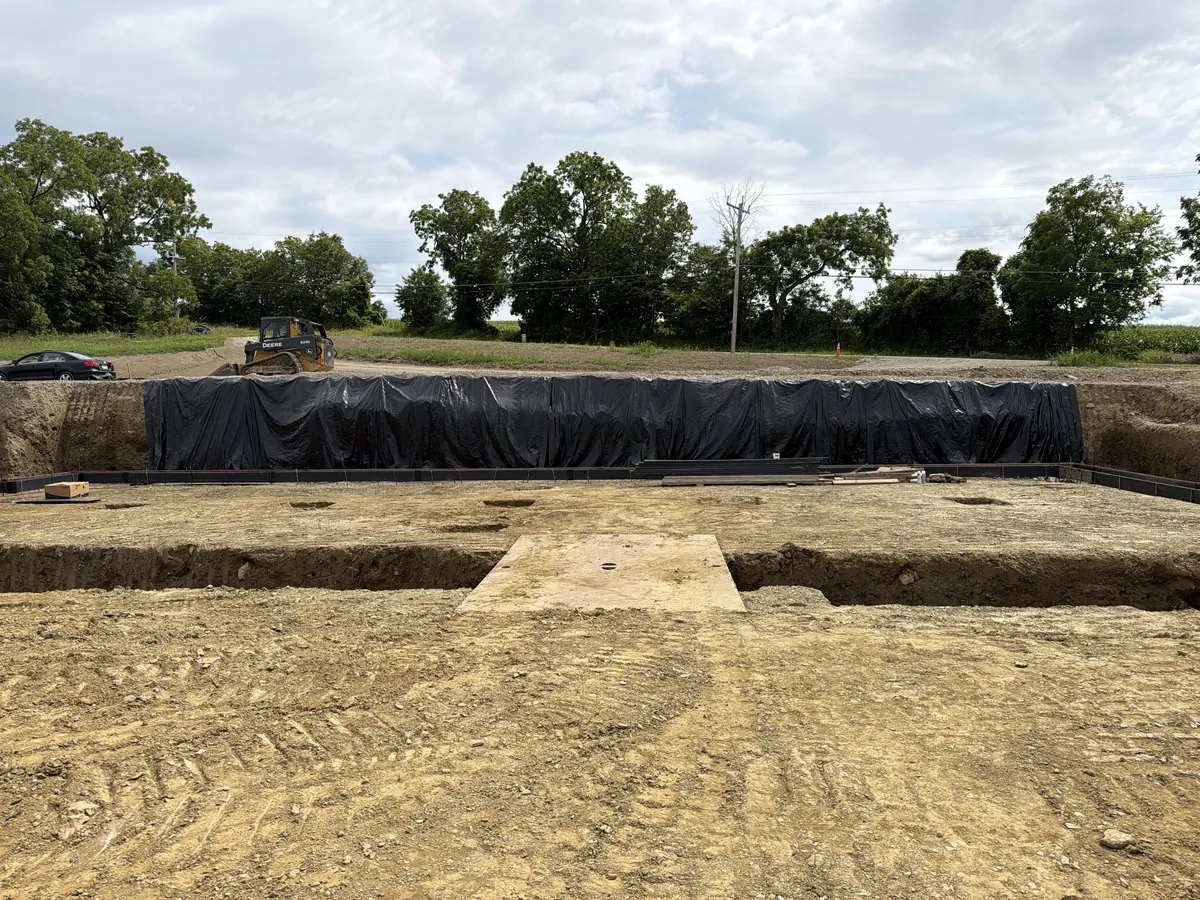
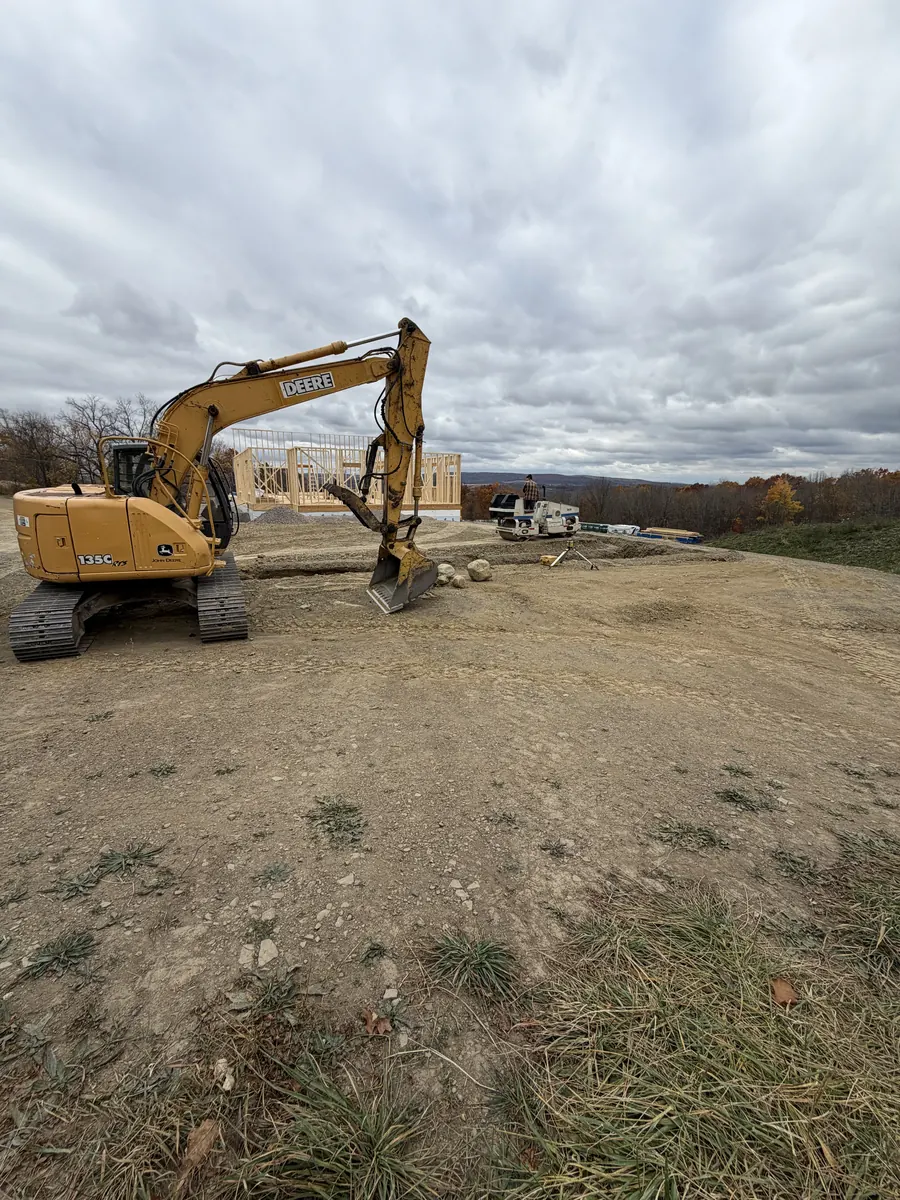
The footprint of the house or building, whether it is a full basement, crawl space, or slab, and how much area around it needs grading. Our article on site prep before a foundation explains what goes into this.
Land Clearing
The rough acreage, or a description like "about the size of a football field." Also mention the type of growth: mature hardwoods, scrub brush, overgrown field, or a mix. See land clearing for a new home for how the process works.
Water and Utility Lines
The distance from where the line starts to where it needs to go, and what it crosses along the way: a driveway, a road, a lawn, a creek. That helps us decide between trenching and directional drilling.
Ponds
The approximate size and depth you have in mind, and what the pond is for: looks, swimming, fish, livestock, or irrigation.
Driveways
Length, width, and whether it climbs a hill or crosses a wet area.
How Equipment Gets to the Site
Is there a driveway or field road to the work area? Any of the following can change which machines make sense and how long the job takes:
- Gates or narrow openings
- Soft ground, wet spots, or a low area that holds water
- Steep slopes
- Overhead power or phone lines
- A septic tank or leach field in the path
- Fences, landscaping, or finished lawn you want protected
If you are not sure, a photo from the road looking toward the work area answers most of these questions at once.
Rochester-Area Conditions Worth Mentioning
Local knowledge about your ground is valuable. If you know any of the following, say so in your request:
- Heavy clay. Common in lake-plain areas near Lake Ontario. Clay drains slowly and can stay soft long after rain, which affects scheduling and backfill.
- Rock. Limestone and dolostone bedrock sits close to the surface in parts of the region. If a neighbor hit rock putting in a basement, there is a decent chance you will too.
- Stony ground or gravel. The glacial hills around Mendon, Pittsford, and Victor can be full of stone and gravel pockets.
- Standing water or wet spots in spring. If an area stays wet into May, it may point to drainage problems or a wetland that needs a closer look.
- Old farm drains or buried debris. Many Rochester-area lots were farmland. Old clay tile drains and buried junk turn up regularly.
None of this has to be certain. "I think there might be rock" is still useful.
Your Timeline
Tell us whether you need it done right away, are working toward a builder's schedule, or are just planning for next season. In Rochester, timing matters more than in a lot of places:
- The spring thaw can leave sites too soft for equipment for weeks.
- Foundation work is often tied to a builder's schedule and a building permit.
- Pond work is usually easiest when the ground is drier, often late summer into fall.
- Some clearing can be done in winter when the ground is frozen and firm.
Planning ahead gives everyone more options and makes it easier to fit your job in at the right time.
Photos, From a Distance and Up Close
Photos are the single most useful thing you can send. A good set usually includes:
- A wide shot showing the whole area and how it sits on the property
- A shot from where equipment would come in, usually from the road or driveway
- Close-ups of anything unusual, like wet spots, rock, steep banks, or old structures
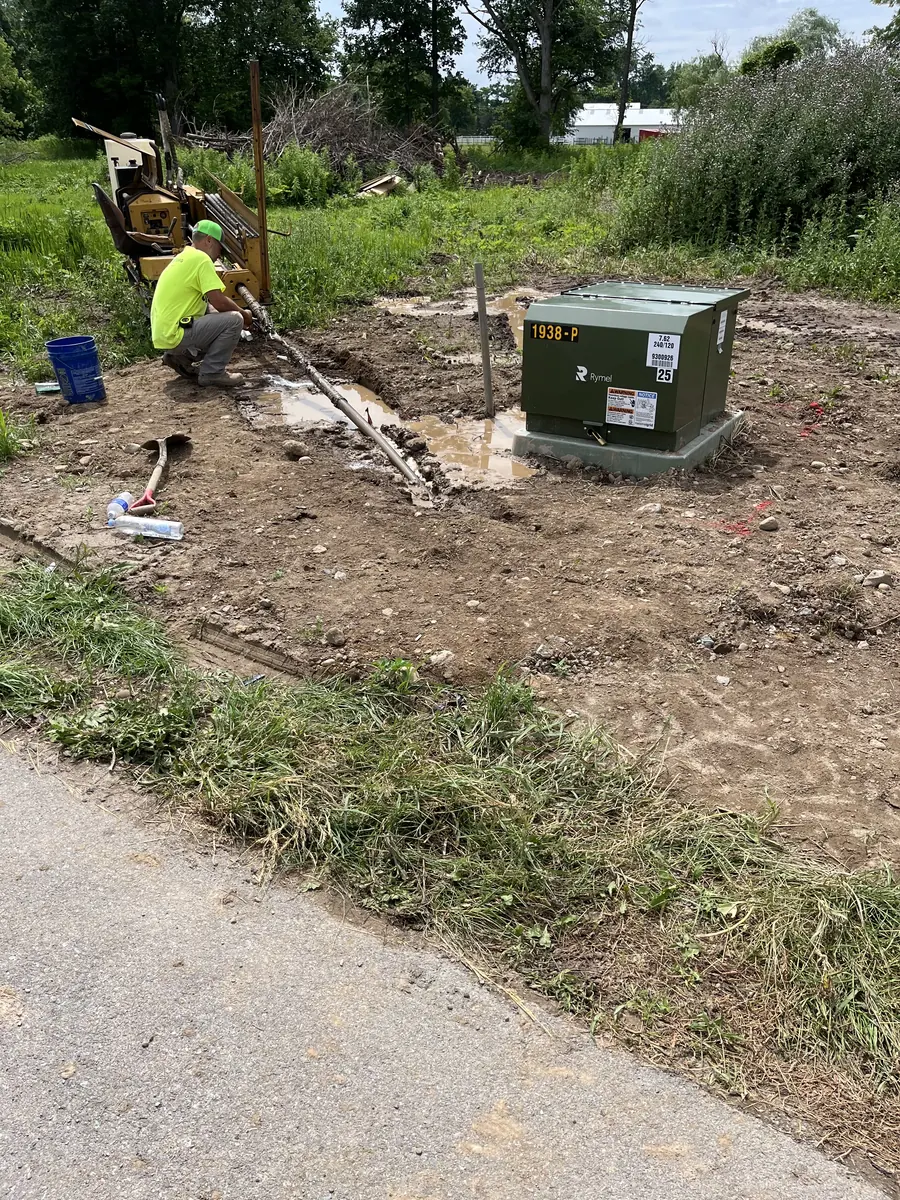
- Any existing utilities you know about, like a well, water meter, electric meter, or pedestal
- The spot where a new line would enter a building, if it is a utility job
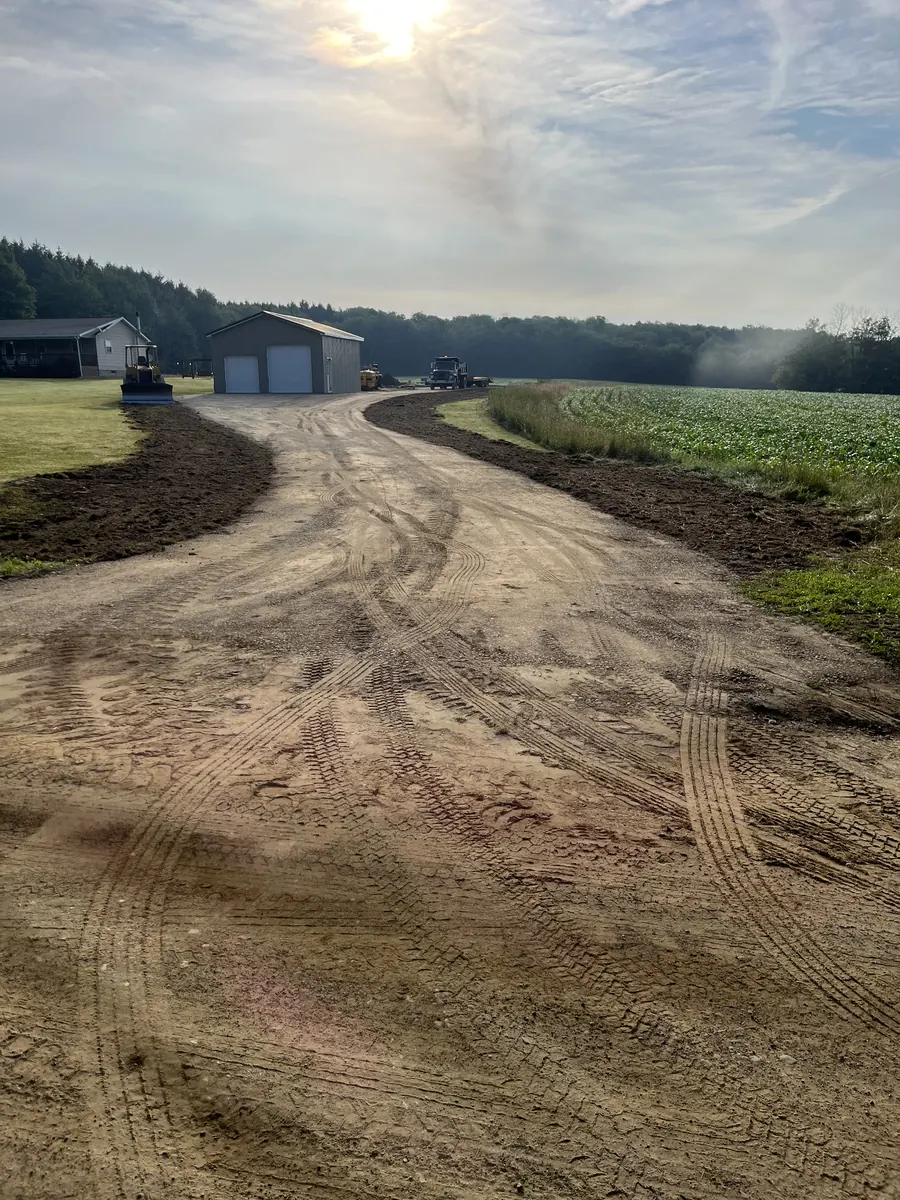
Our quote request form lets you attach up to six photos right from your phone. If you want to see what kinds of jobs those photos turn into, our projects page has examples like a gravel driveway up to an outbuilding and HDPE pipe fusion and installation at a farm.
Anything You Already Know About the Ground
If you have any paperwork, mention it or attach it:
- A survey or plot plan
- A site plan or foundation plan from your builder or engineer
- Perc test or septic design results
- Approved permit drawings from your town
- Notes from a previous contractor
These documents often answer questions about elevations, setbacks, and where things need to go, which leads to a tighter quote.
Frequently Asked Questions
Do I Need a Site Plan Before Asking for a Quote?
No. A description and photos are enough to start. For new homes, your town will usually require a plot plan as part of the building permit, and we will work from that once you have it.
Will You Come Look at the Site?
For most jobs, yes, before we give a firm number. Photos and a good description help us decide whether a visit is needed and what to look at when we get there.
Why Can't I Get an Exact Price Over the Phone?
Because the ground varies too much. Rock, water, access, and how far material has to travel all change the job. Good information gets you closer, and a site visit closes the gap.
Ready When You Are
You do not need every one of these details to get started. Send what you have, and we will ask about the rest. Request a quote here with your location, a short description, and a few photos, and we will get back to you.