
Driveways Built From the Base Up
A driveway that holds up through mud season starts well below the surface you drive on. Most driveway problems, from ruts to potholes to washouts, trace back to what is underneath and where the water goes.
Grove cuts in, grades, and builds gravel driveways and handles paving work: stripping the soft ground, building a compacted stone base, shaping the surface to shed water, and adding culverts and ditches where the land calls for them.
Driveways and Paving Services
Hire us for one piece of the job or all of it. Pick what your project needs.
New Driveways
New gravel driveways cut in from the road to the house, garage, barn, or building site.
Stripping and Subgrade
Topsoil and soft material removed so the driveway sits on firm ground.
Stone Base
A compacted base of stone built in layers to carry trucks and equipment.
Grading and Crown
The surface shaped higher in the middle so water runs off to the sides.
Drainage
Ditches, swales, and culverts placed where the driveway crosses or follows the flow of water.
Regrading and Paving
Existing driveways regraded and rebuilt, and paving work for finished surfaces.
Driveways and Paving in Rochester, NY
Rochester winters are hard on driveways. Lake-effect snow, plows, freeze-thaw cycles, and a muddy spring thaw all go to work on whatever is underneath the surface. A driveway built on soft ground with nowhere for water to go will rut, pothole, and heave within a few seasons. One built on a real base with good drainage holds up.
We build driveways from the base up, with the local soil and climate in mind.
Who Needs Driveway Work Locally
- New home builds that need a driveway cut in from the road to the house, often first as a construction entrance.
- Rural property owners with long gravel driveways that rut or wash out every spring.
- Farms needing lanes to barns, fields, and equipment areas.
- Homeowners adding a garage, barn, or outbuilding. One of our projects was a gravel driveway to an outbuilding.
- Owners of tired existing driveways that need regrading, rebuilding, and drainage.
Local Conditions That Shape a Driveway
Clay subgrade. Heavy clay near Lake Ontario, in towns like Greece, Parma, Hamlin, and Webster, holds water and loses strength when wet. Stone spread directly on clay or topsoil tends to push down into it over time. Stripping soft material and building a proper base matters even more here.
Glacial till. Stony till across much of the region can make a firm subgrade once topsoil is stripped, but large stones and boulders may need to come out of the driveway path.
Freeze-thaw and frost heave. Water trapped under a driveway freezes, expands, and lifts the surface, then thaws and leaves it soft. Good drainage and a free-draining stone base limit that cycle.
Mud season. Spring thaw is when weak driveways show themselves. Ruts and soft spots that appear in March and April usually trace back to base and drainage problems.
Snow and plowing. A driveway around here has to handle plows and snowbanks. A well-compacted surface and a crown that sheds meltwater help it survive the winter.
Seasonal Timing
- Late spring through fall is the main driveway season. The ground is drier, stone compacts better, and paving needs warmer weather.
- Early spring is often too wet, especially on clay. It is a good time to note where water sits and where ruts form.
- Late fall work is possible on gravel, but it is best to finish before the ground freezes.
Permits and Approvals to Check
- Driveway or curb cut permit. A new connection to a public road usually needs permission from whoever owns the road: your town, the county, or New York State. They may set rules on location, sight distance, and culverts.
- Your town may have rules on driveway setbacks, width, or grading.
- Culverts and ditches along a road are often controlled by the road owner, who may set size or type.
- Wetlands and streams crossed by a driveway can involve NYS DEC Region 8.
- Dig Safely New York (811) at least two full working days before digging, not counting weekends and holidays.
Check with your town and the road owner, since they set the exact requirements.
How to Prepare
- Walk the route and think about where vehicles turn, park, and where snow will be piled.
- Watch the water. Note low spots, ditches, and paths where runoff crosses the route.
- Know what traffic it will carry. Cars, delivery trucks, farm equipment, and concrete trucks during a build all need different base depth.
- Mark private lines like septic systems and buried power that 811 does not locate.
Our post on how to build a gravel driveway that lasts covers the basics, and what to include in a site work quote request helps you gather details before you call.
What to Expect
- Lay out the route for grade, access, and drainage.
- Strip topsoil and soft material down to firm ground.
- Add drainage such as ditches, swales, and culverts where the route crosses water.
- Build the base in compacted layers of stone.
- Grade and crown the surface so it sheds water to the sides.
For paved finishes, the same base and drainage work comes first. Pavement over a weak base cracks and heaves quickly in this climate.
How Grove Approaches Driveways and Paving
Grove's founder spent years doing site work, land moving, and paving for other contractors before starting Grove. That background shapes our driveway work:
- We start with the base, because that is where most driveway problems begin.
- We plan for water first, with crown, ditches, and culverts where needed.
- We build for the traffic you expect, from cars to farm equipment.
- We tie driveways into other work, such as land clearing for a new lot or site work and excavation for a new home.
Serving Rochester and Surrounding Towns
We build and rebuild driveways in Rochester and the surrounding towns, including Chili, Ogden, Sweden, Clarkson, Hamlin, Parma, Riga, Wheatland, Rush, Henrietta, Mendon, Penfield, and Webster. We also work in towns such as Victor, Farmington, Macedon, Williamson, Lima, Caledonia, and Le Roy. See our service area, view our projects, or contact us to talk about your driveway.
The Process
-
Step 1
Lay Out the Route
We walk the route with you and plan for grade, access, and where water goes.
-
Step 2
Strip the Soft Ground
Topsoil and organic material come out along the driveway path.
-
Step 3
Build the Base
Stone goes down and is compacted in layers to form a solid base.
-
Step 4
Grade and Finish
The surface is shaped with a crown and finished so it sheds water.
On the Job
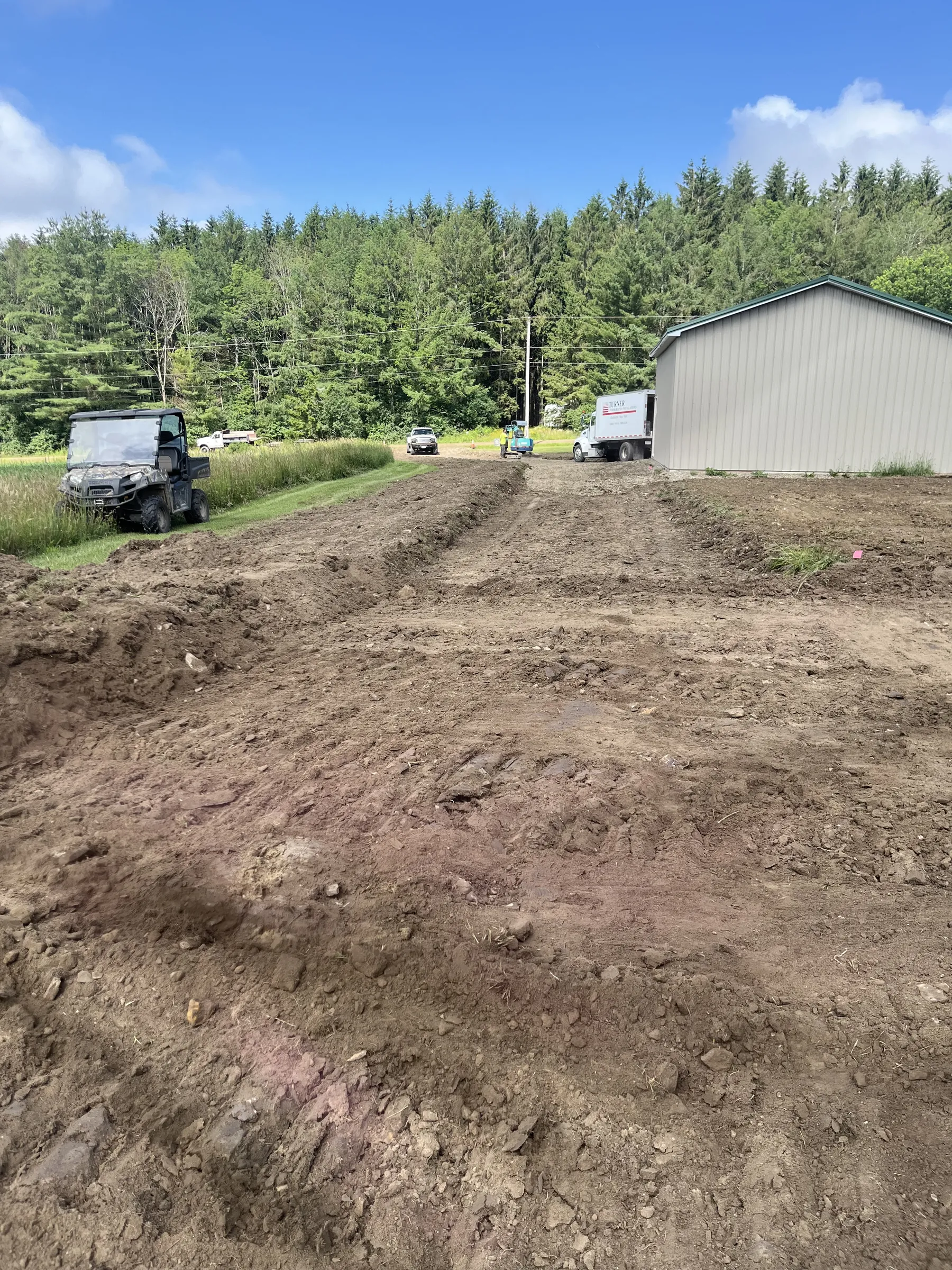
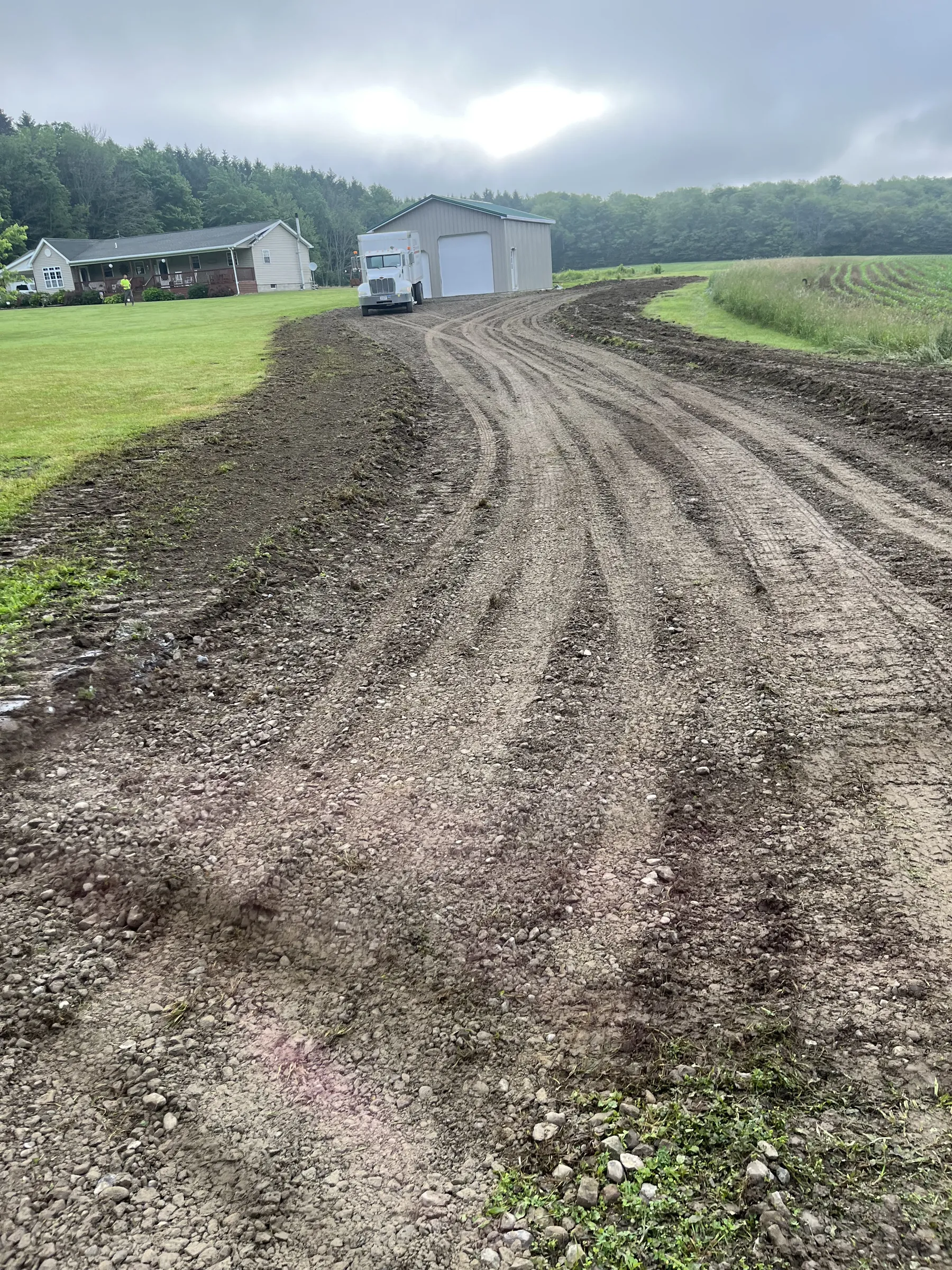
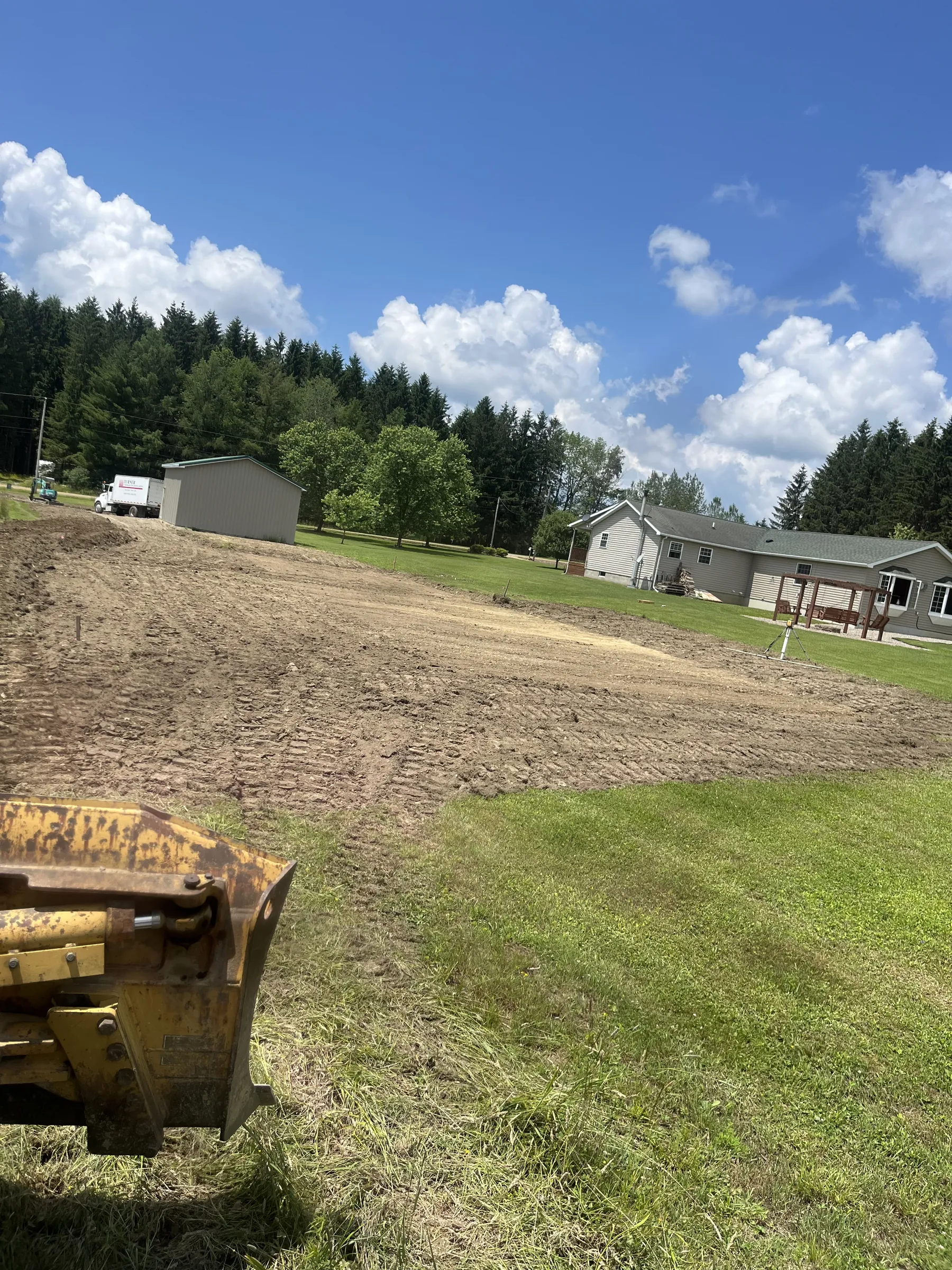
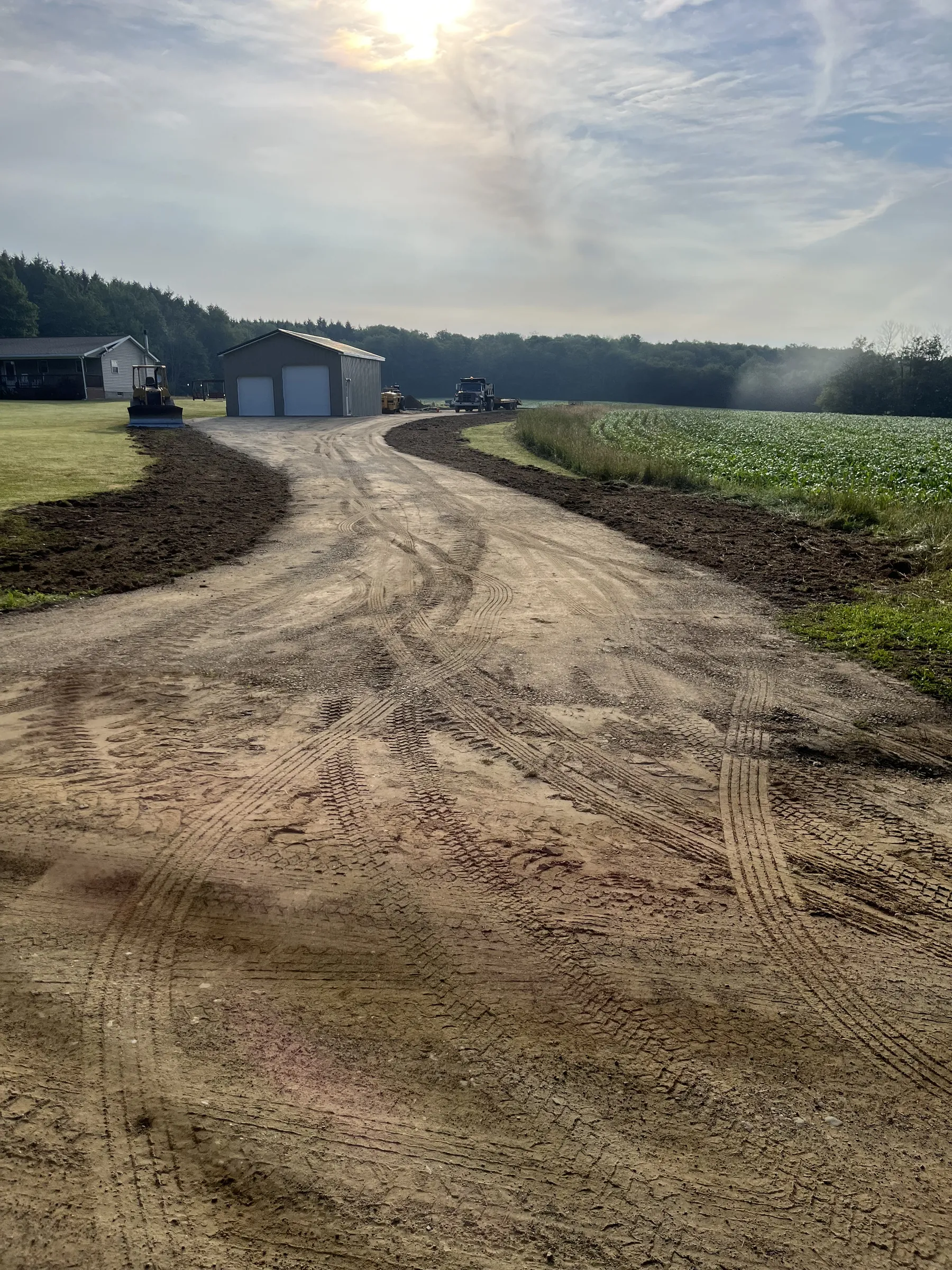
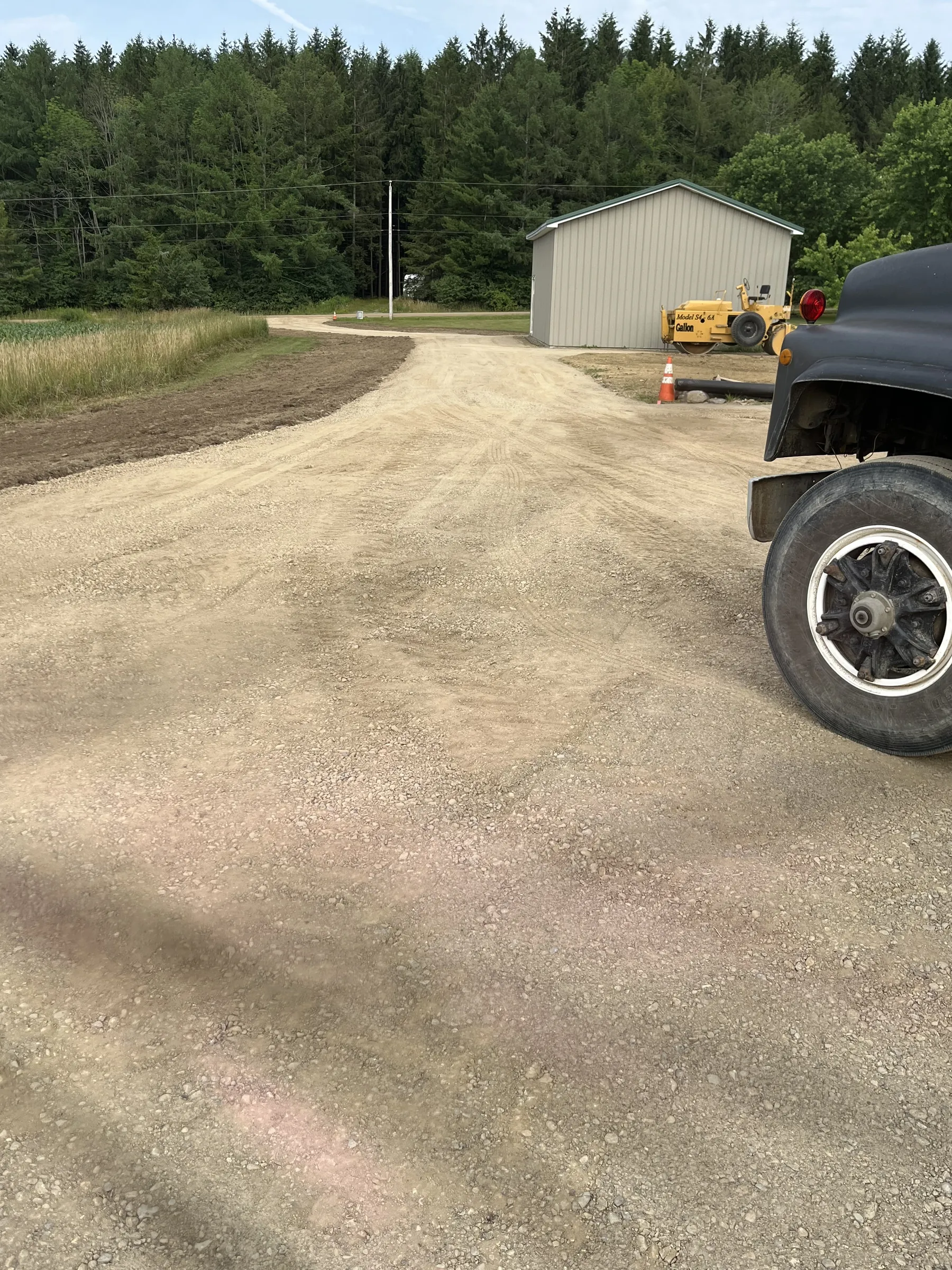
A new gravel driveway cut in, graded, and finished up to an outbuilding.
Need Driveways and Paving?
Send the location and a few photos of the site and we will get back to you.
Common Questions
Do not see your question here? Ask us directly when you send your project details.
Ask a Question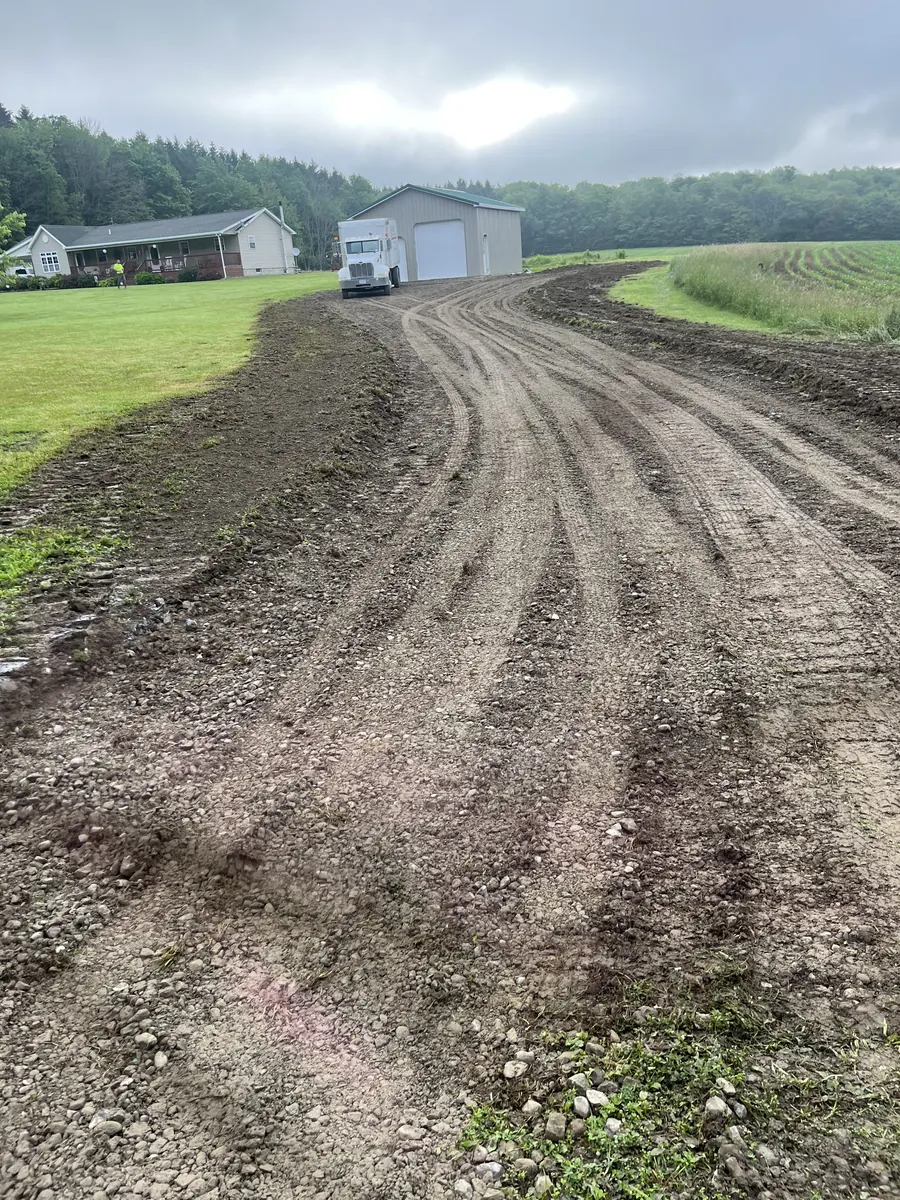
Why do gravel driveways rut and wash out?
Usually because stone was spread over soft topsoil, or water has nowhere to go. A stripped subgrade, a real base, and a crowned surface solve most of it.
Can you fix my existing driveway?
Often, yes. Depending on its condition, an existing driveway can be regraded, built back up, and given proper drainage.
Do I need culverts?
If the driveway crosses a ditch or a natural drainage path, a culvert keeps water moving under it instead of over it.
How do I maintain a gravel driveway?
Regrade every so often to restore the crown, fill low spots early, and keep ditches and culverts clear.
Do I need a permit for a new driveway entrance in Monroe County?
Usually, yes. A new connection to a public road typically needs a permit from whoever owns the road, whether that is the town, the county, or New York State. Your town can tell you who owns your road and what the rules are.
Why does my gravel driveway turn to mud every spring?
Spring thaw saturates the ground, and if the stone sits on topsoil or soft clay, the base loses strength and ruts. Stripping soft material, building a real stone base, and moving water off the driveway are the long-term fix.
Can my driveway be built during the winter?
Gravel work late in the season is possible, but frozen ground and snow make compaction and grading harder. Most driveway work around Rochester is best done from late spring through fall.
Will snowplowing damage a gravel driveway?
Plowing can pull stone off the surface, especially on a soft or poorly compacted driveway. A firm, crowned surface holds up better, and a light regrade in spring puts back what winter moved.
Helpful Reading
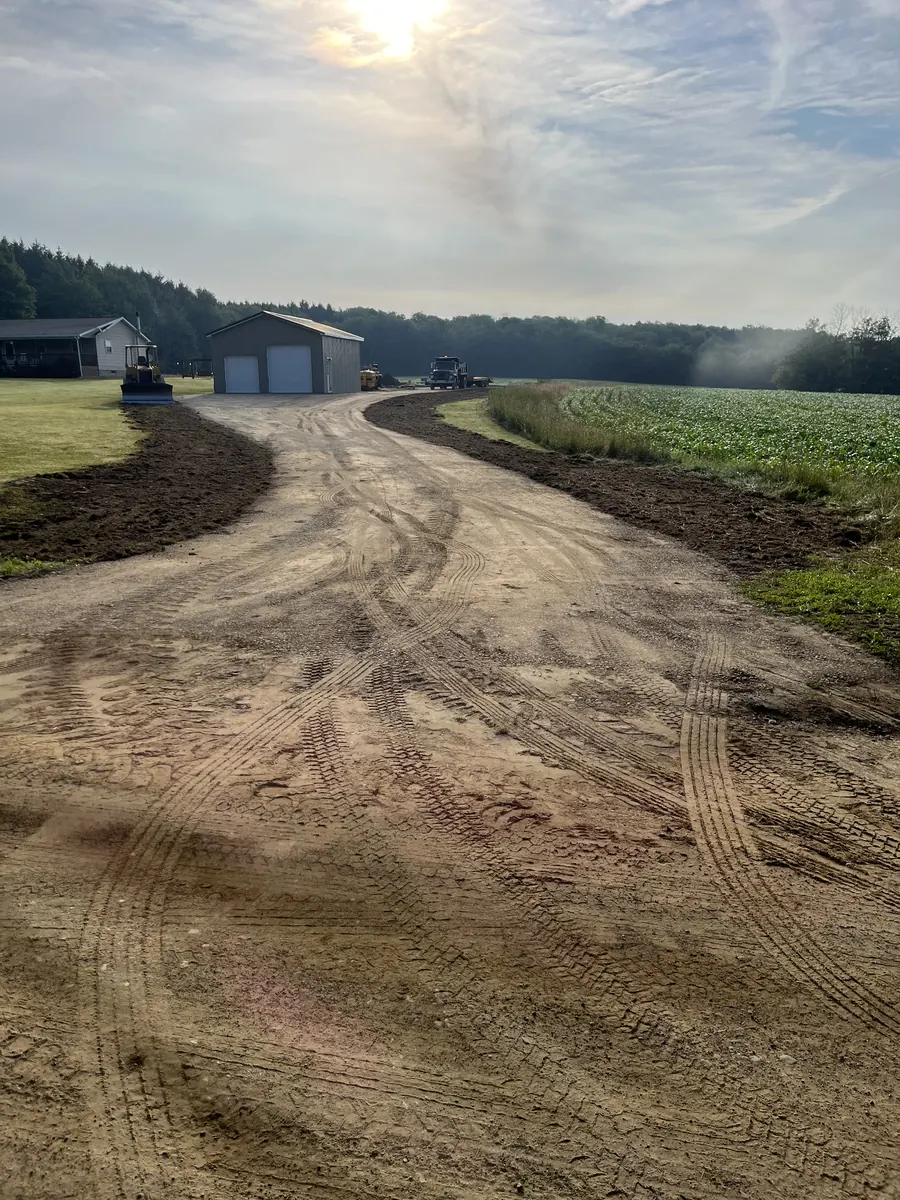
How to Build a Gravel Driveway That Lasts in Rochester, NY
A gravel driveway that holds up through a Rochester mud season starts well below the surface. Here is what goes into one that drains, stays firm, handles the plow, and does not wash out.
October 21, 2026 · 7 Min Read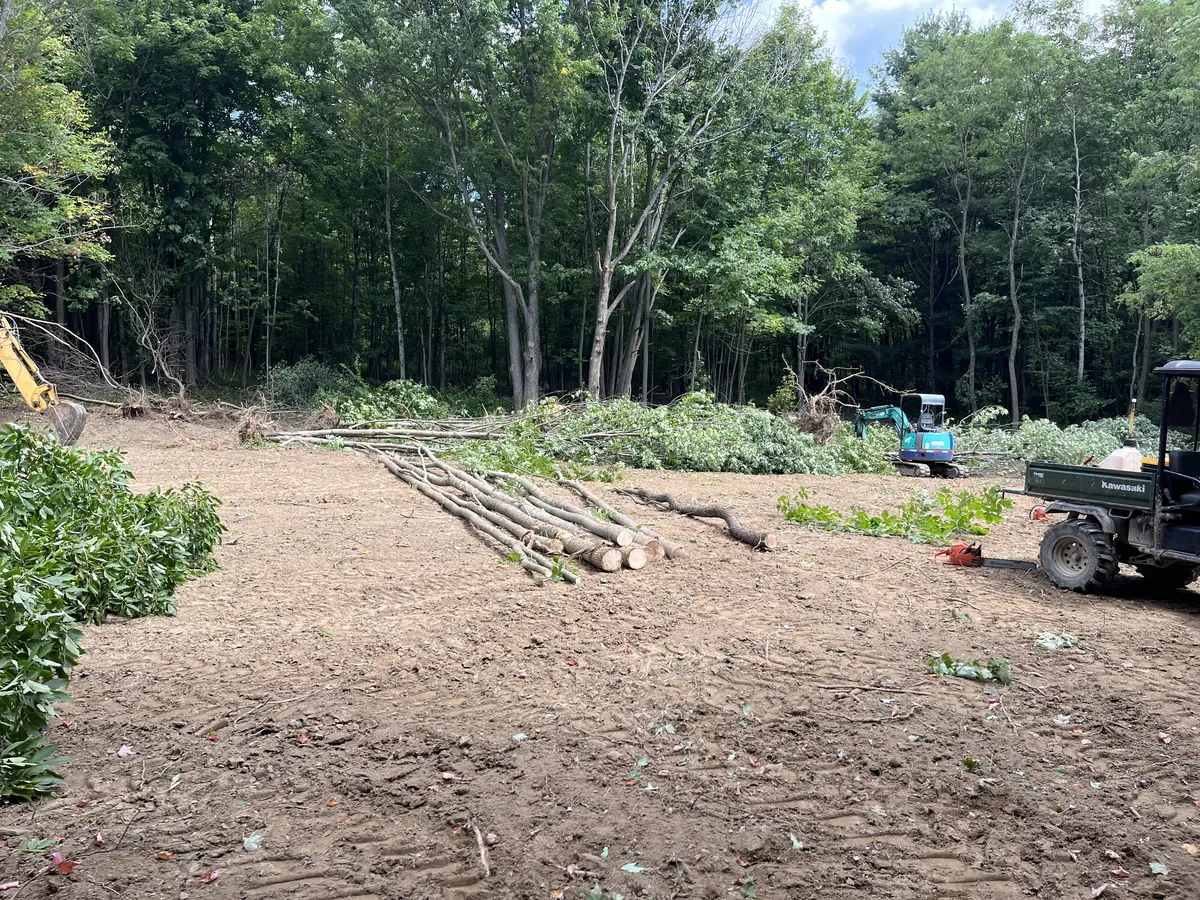
Land Clearing for a New Home in Rochester, NY: What the Process Looks Like
Turning a wooded lot into a buildable site takes more than cutting trees. Here is how land clearing usually unfolds around Rochester, NY, from marking the clearing limits to stump removal and leaving ground that is ready for a foundation.
April 15, 2026 · 6 Min Read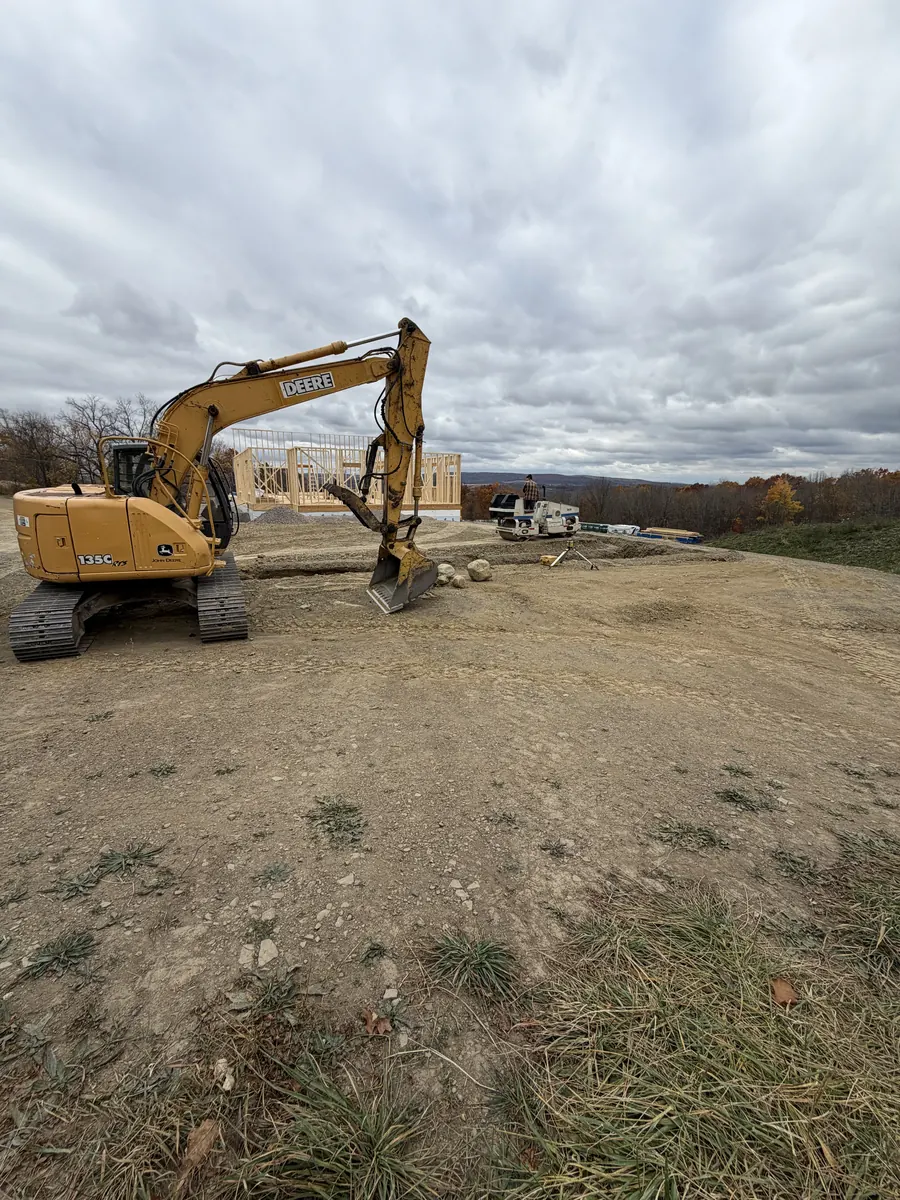
What to Include in a Site Work Quote Request in Rochester, NY
A few details and a handful of photos can turn a vague estimate into a useful one. Here is what Rochester-area property owners should send when asking for a site work, excavation, clearing, pond, utility, or driveway quote.
February 11, 2026 · 6 Min ReadOften Done Together
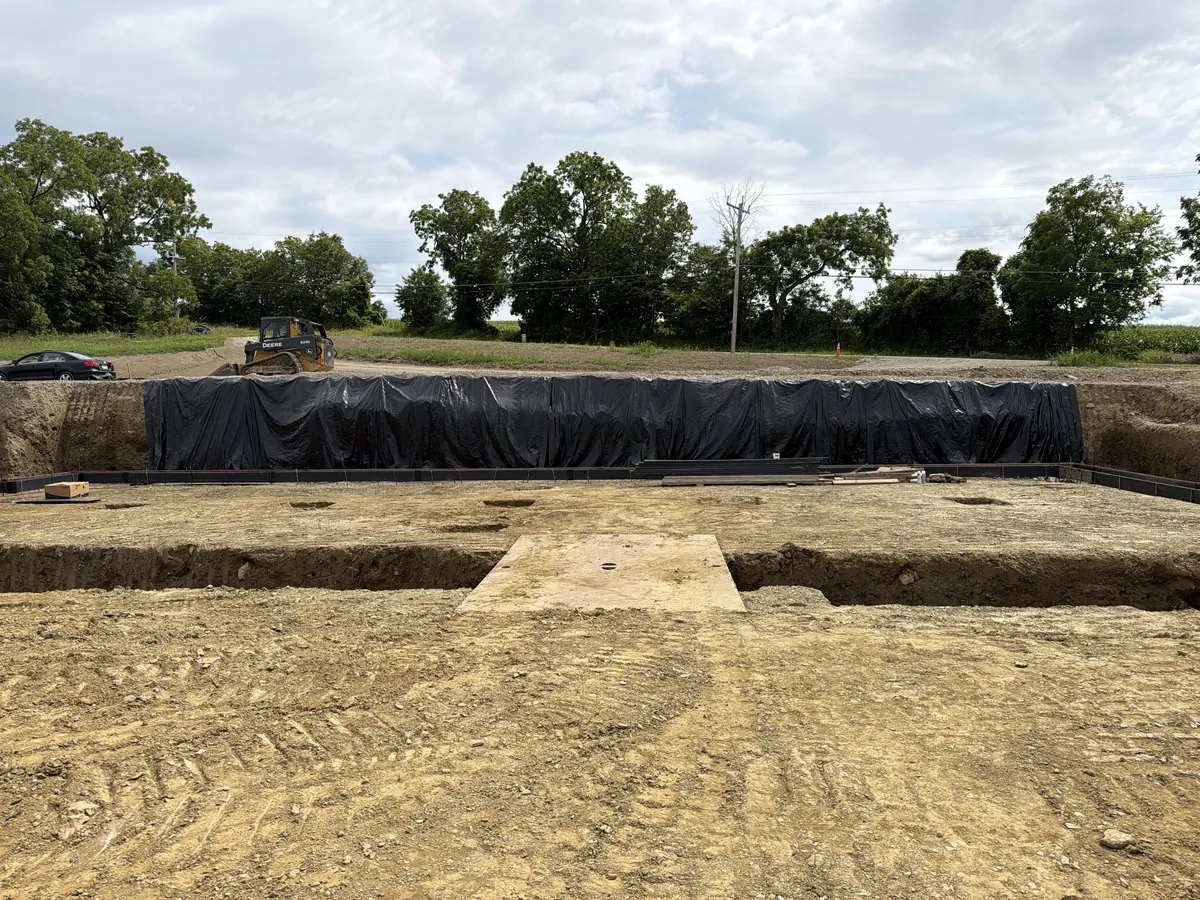
Site Work and Excavation
Site prep, foundation digs, trenching, and grading to get a build started on solid ground.
Learn More
Land Clearing
Trees, brush, and stumps cleared to open up a lot for building, driveways, or a pond.
Learn More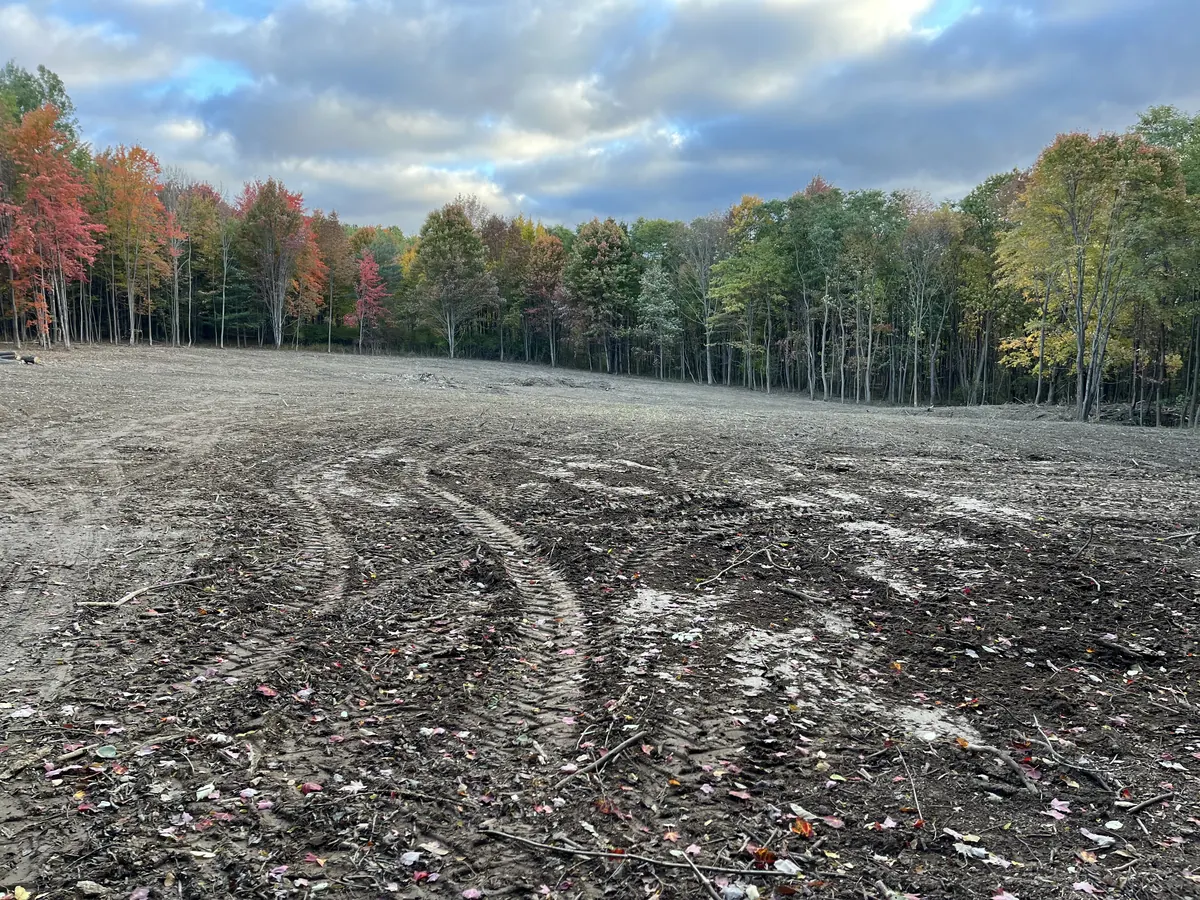
Pond Construction
Excavated and shaped ponds, from a cleared site to finished banks.
Learn MoreGot Ground That Needs Work?
Send us the location, what you need done, and a few photos. We will get back to you to talk it through.
Request a Quote