
Ponds Built to Hold Water
A pond can be a swimming hole, a place for fish and wildlife, a water source for livestock, or simply the best view on the property. But a pond is mostly careful dirt work, and the decisions made before digging decide whether it holds water.
Grove excavates and shapes ponds from the ground up: clearing the site, digging the basin, shaping the banks, and placing the spoil so the finished pond looks like it belongs on the land.
Pond Construction Services
Hire us for one piece of the job or all of it. Pick what your project needs.
Site Selection
Looking at low areas, drainage, and water sources with you to find a spot where a pond makes sense.
Clearing
Trees, brush, and stumps removed from the pond footprint and surrounding work area.
Basin Excavation
Digging the pond to the size and depth you want, with deeper areas and gentler edges where they make sense.
Bank Shaping
Shaping and grading the banks so they are stable, safe, and easy to maintain.
Spoil Placement
Material from the dig used to build banks, shape the surrounding ground, or fill low areas elsewhere.
Finish Grading
The area around the pond graded so it ties into the rest of the property.
Pond Construction in Rochester, NY
Ponds are a natural fit for a lot of land around Rochester. The region has plenty of clay, a wet spring, and low spots that already want to hold water. That does not mean every spot will make a good pond, but it does mean many rural properties in Monroe County and the surrounding counties have real potential.
We build ponds as careful dirt work, starting with where the water comes from and what the soil will do once the basin is dug.
Who Builds Ponds Around Rochester
- Rural homeowners who want a swimming pond, a fishing pond, or a centerpiece for the property.
- Farms looking for a water source for livestock or a place to collect runoff.
- Landowners interested in wildlife who want open water for birds, frogs, and deer.
- Property owners with a chronic wet spot who would rather turn it into a pond than fight it every spring.
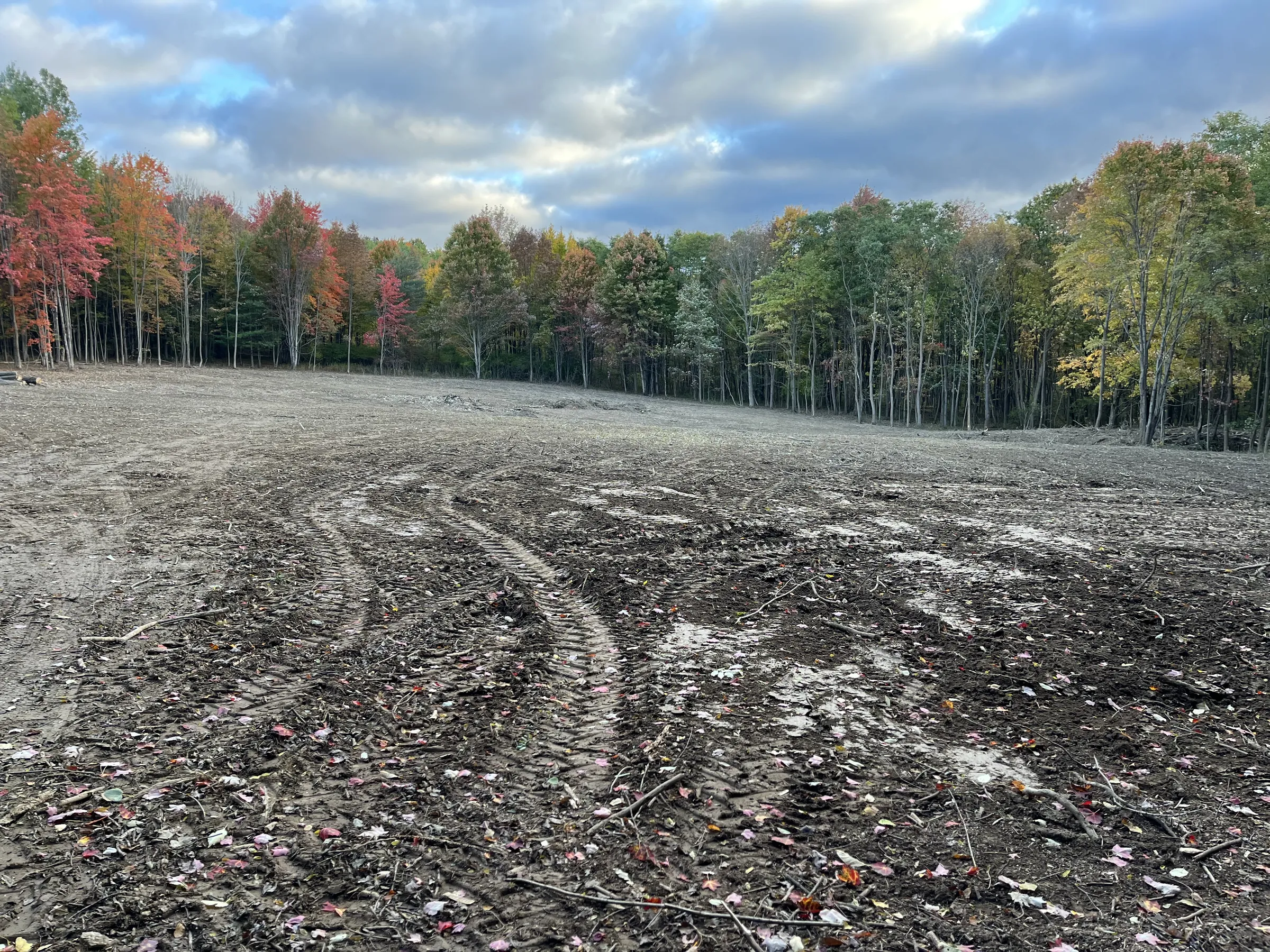
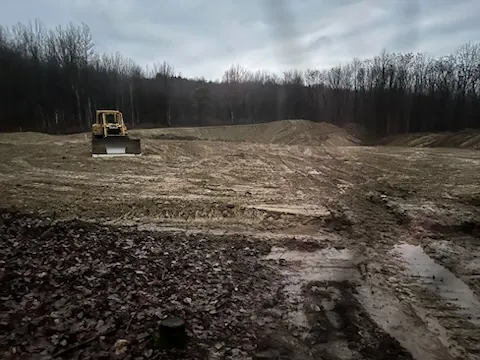
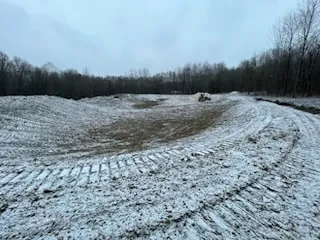
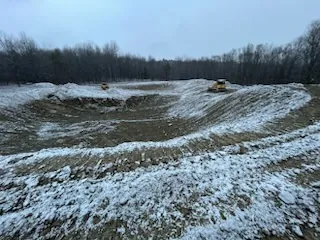
One of our projects involved clearing a wooded lot and then building a pond, a common sequence on rural land here.
Local Soils and Water
Clay is a good sign. Much of the ground closer to Lake Ontario, and many low areas elsewhere, has good clay content. Clay holds water well and is often what makes a pond possible without a liner.
Gravel and sand can be a problem. The glacier also left kames, eskers, and outwash deposits made of sand and gravel. Those soils drain fast, and a pond dug into them may never hold a steady level. Test holes tell you a lot before you commit.
Stony till. Much of the region is stony till with cobbles and boulders. It can work for a pond, but expect to sort rock out of the banks and keep it away from the waterline where it makes sense.
Shallow bedrock. In some areas limestone or dolostone sits close to the surface, which can limit how deep a pond can go or affect how it holds water.
Water sources. Ponds here are usually fed by runoff, springs, a high water table, or some mix. Wet springs and snowmelt fill ponds quickly, while late summer is the real test of a steady level.
Freeze-Thaw and Lake-Effect Weather
Our winters put a pond through a lot. Ice forms and breaks up, banks freeze and thaw, and spring melt can send a surge of water through. Bank slopes, overflow paths, and where runoff enters all matter more here than in milder climates. A pond that looks fine in July has to handle March too.
Seasonal Timing
- Summer and early fall are usually the best time to dig. The ground is driest, the water table is lower, and equipment can work the basin.
- Spring is often too wet, especially on clay. It is a good time to look at a site, though, because you can see where water collects and how high it gets.
- Late fall work is possible, but the window closes once the ground freezes.
Permits and Approvals to Check
Pond rules depend on size, location, and what water is involved. Before digging:
- Check with your town. Many towns have rules about ponds, setbacks from property lines, or excavation and grading permits.
- Ask about wetlands and streams. If the pond would be in or near a regulated wetland, or would dam or connect to a stream, NYS DEC Region 8 may need to be involved. Larger dams can bring additional requirements.
- Think about where spoil goes. Placing fill in a wet area can need its own approval.
- Call 811 through Dig Safely New York at least two full working days before digging, not counting weekends and holidays.
Local code and the agencies involved set the actual requirements, so ask early.
How to Prepare
- Watch the site through a wet season if you can, and note where water sits and flows.
- Think about the purpose. Swimming, fish, livestock, and wildlife ponds lean toward different depths and edges.
- Plan access for equipment and for future maintenance.
- Decide on the spoil. A pond produces a lot of material, and it can shape the land around the pond or fill low areas elsewhere.
Our post on planning a pond before you dig covers these questions in more depth.
How Grove Approaches Pond Construction
Grove's founder spent years doing site work and land moving for other contractors before starting Grove. We bring that experience to ponds:
- We look at the soil and water first and are honest if a spot does not look promising.
- We clear the footprint and strip topsoil so it can be reused around the pond.
- We dig and shape the basin with stable banks and the depths you want.
- We place spoil where it does some good and grade the surroundings so the pond fits the land.
- We can tie in other work, such as a driveway or access lane or general site work.
Serving Rochester and Surrounding Towns
We build ponds for properties around Rochester, especially in the more rural towns like Hamlin, Clarkson, Parma, Riga, Wheatland, Rush, Mendon, and Ogden. We also work farther out in towns such as Farmington, Canandaigua, Williamson, Walworth, Avon, Geneseo, Lima, Caledonia, Bergen, and Le Roy. See the full service area, look at our projects, or contact us to talk about a site.
The Process
-
Step 1
Choose the Spot
We look at the land, the drainage, and the soil to find where a pond will work.
-
Step 2
Clear the Footprint
The pond area and a working margin around it are cleared and stripped.
-
Step 3
Dig and Shape
The basin is excavated and the banks are shaped to their final form.
-
Step 4
Place the Spoil
Excess material is placed where it does some good, and the site is graded.
On the Job
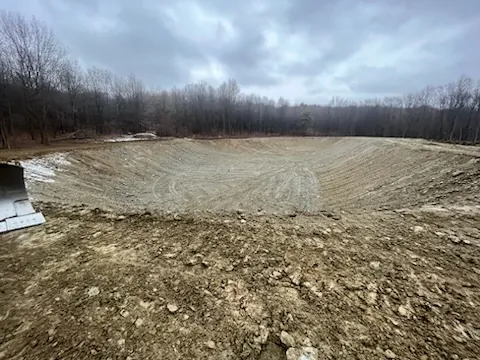
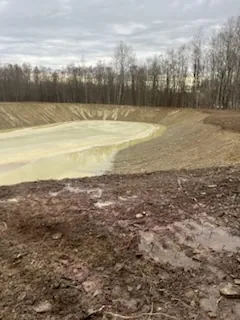
A wooded parcel cleared of trees and brush, then excavated and shaped into a pond.
Need Pond Construction?
Send the location and a few photos of the site and we will get back to you.
Common Questions
Do not see your question here? Ask us directly when you send your project details.
Ask a Question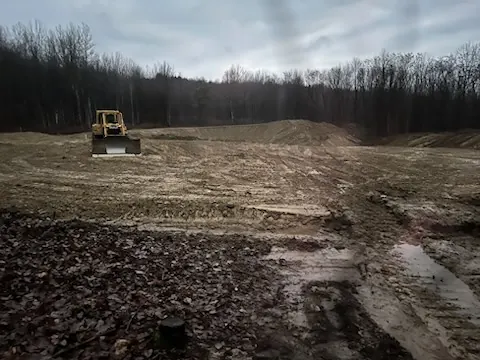
How do I know if my land will hold water?
Soil is the biggest factor. Soils with good clay content hold water well, while sandy or gravelly soils tend to drain. Test holes before committing to a location tell you a lot.
Where does the water come from?
Ponds are fed by runoff, springs, groundwater, or a mix. The water source affects how steady the level stays through dry stretches.
What happens to all the dirt?
Spoil can build up the banks, shape the area around the pond, or fill a low spot elsewhere on the property. We plan where it goes before digging.
Do ponds need permits?
Depending on size, location, and whether wetlands or a stream are involved, a pond may need approval from your town or the DEC. Check before you dig.
Will clay soil in the Rochester area hold a pond?
Often, yes. Clay with good content holds water well and is common closer to the lake and in many low areas. Soil changes quickly across the region, so test holes at your chosen spot are the best way to know.
Do I need DEC approval for a pond in Monroe County?
Not always, but it depends on size, location, and whether a regulated wetland or stream is involved. Ask your town first and contact NYS DEC Region 8 if wet areas or a stream are nearby.
How does winter ice affect a pond?
Freezing and thawing work on the banks, and spring melt can bring a surge of water. Stable bank slopes and a planned overflow path help a pond handle our winters and spring thaw.
When should I start planning a pond?
Ideally a season ahead. Looking at the site in a wet spring shows how water behaves, which helps us plan a dig for the drier summer and early fall months.
Helpful Reading
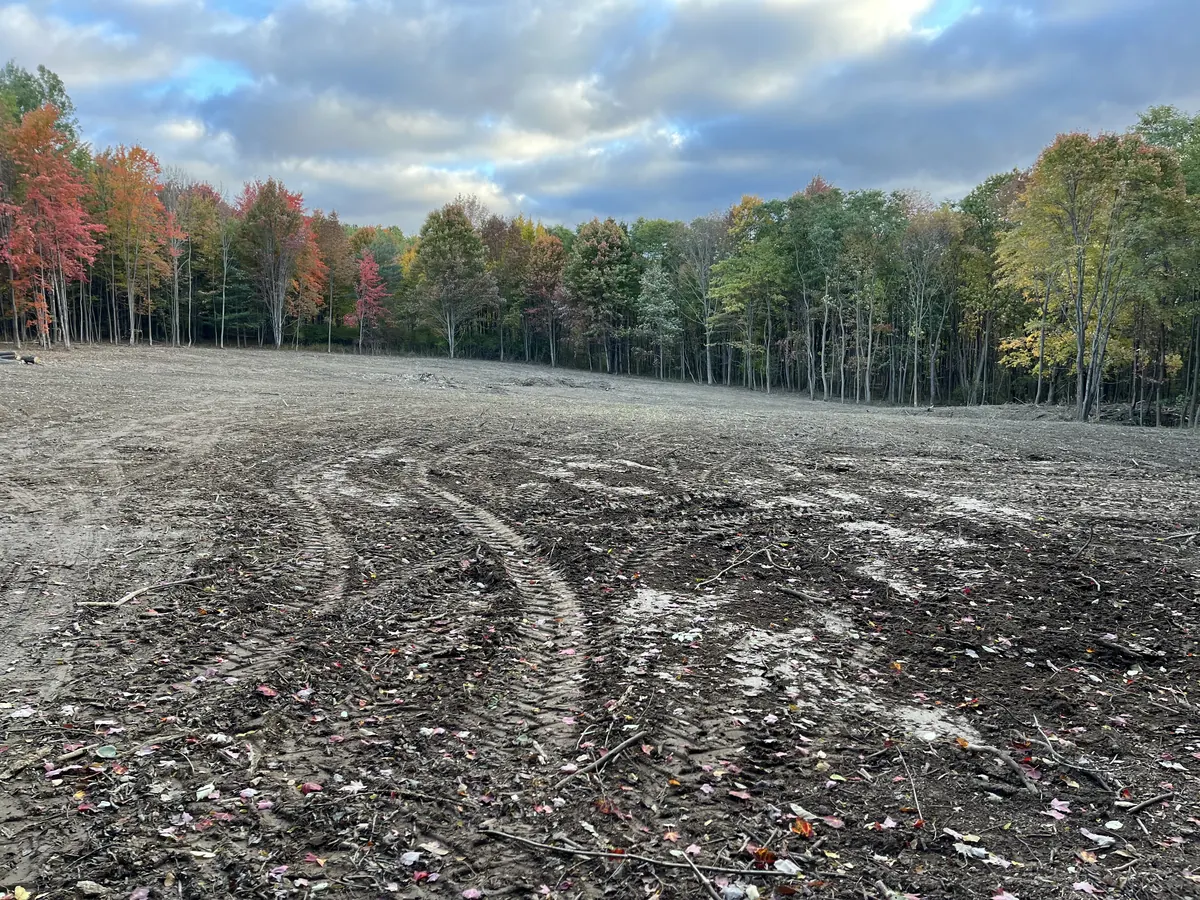
Planning a Pond in Rochester, NY: What to Think About Before You Dig
A pond can add beauty, wildlife, and water to a property, but only if it holds water and holds up. Here is what Rochester-area landowners should think about before pond excavation starts, from location and soil to spoil, depth, and permits.
May 13, 2026 · 6 Min Read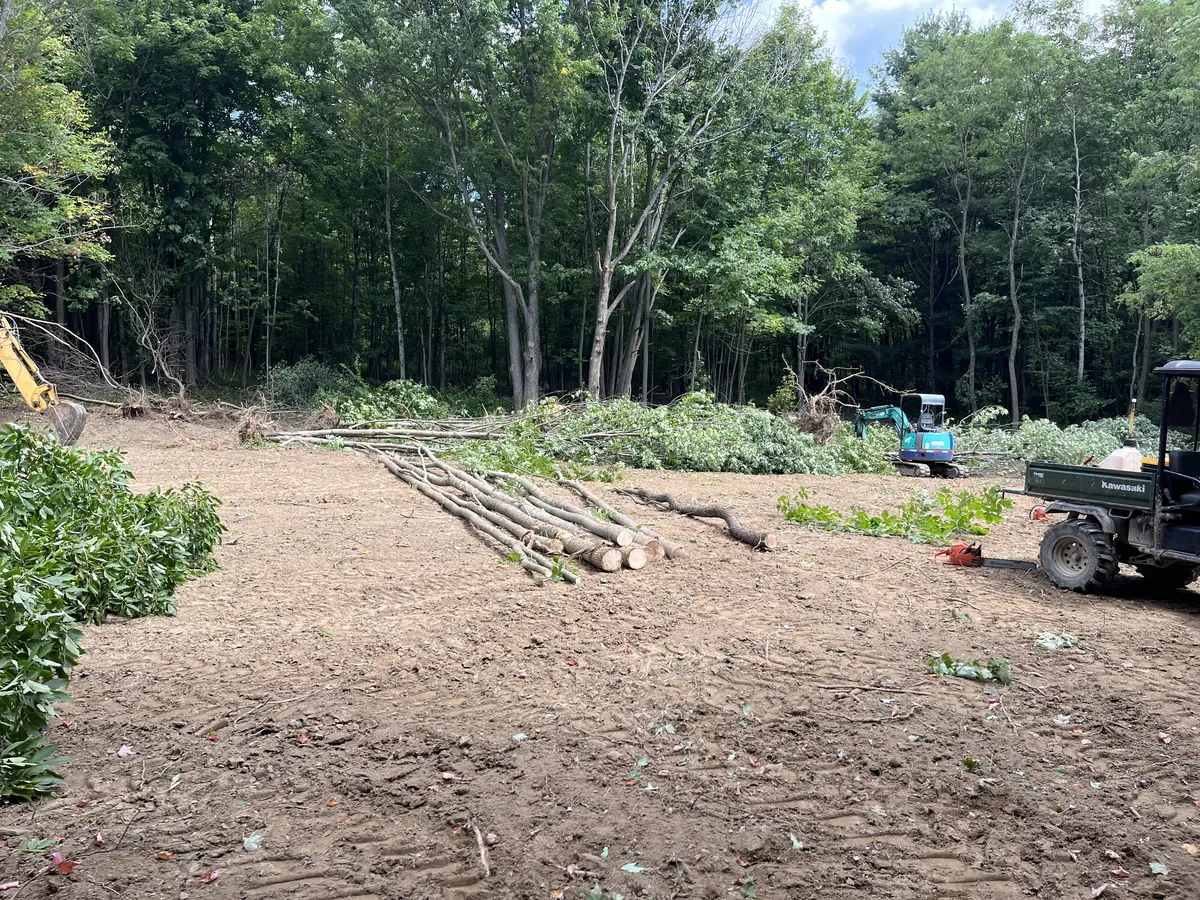
Land Clearing for a New Home in Rochester, NY: What the Process Looks Like
Turning a wooded lot into a buildable site takes more than cutting trees. Here is how land clearing usually unfolds around Rochester, NY, from marking the clearing limits to stump removal and leaving ground that is ready for a foundation.
April 15, 2026 · 6 Min Read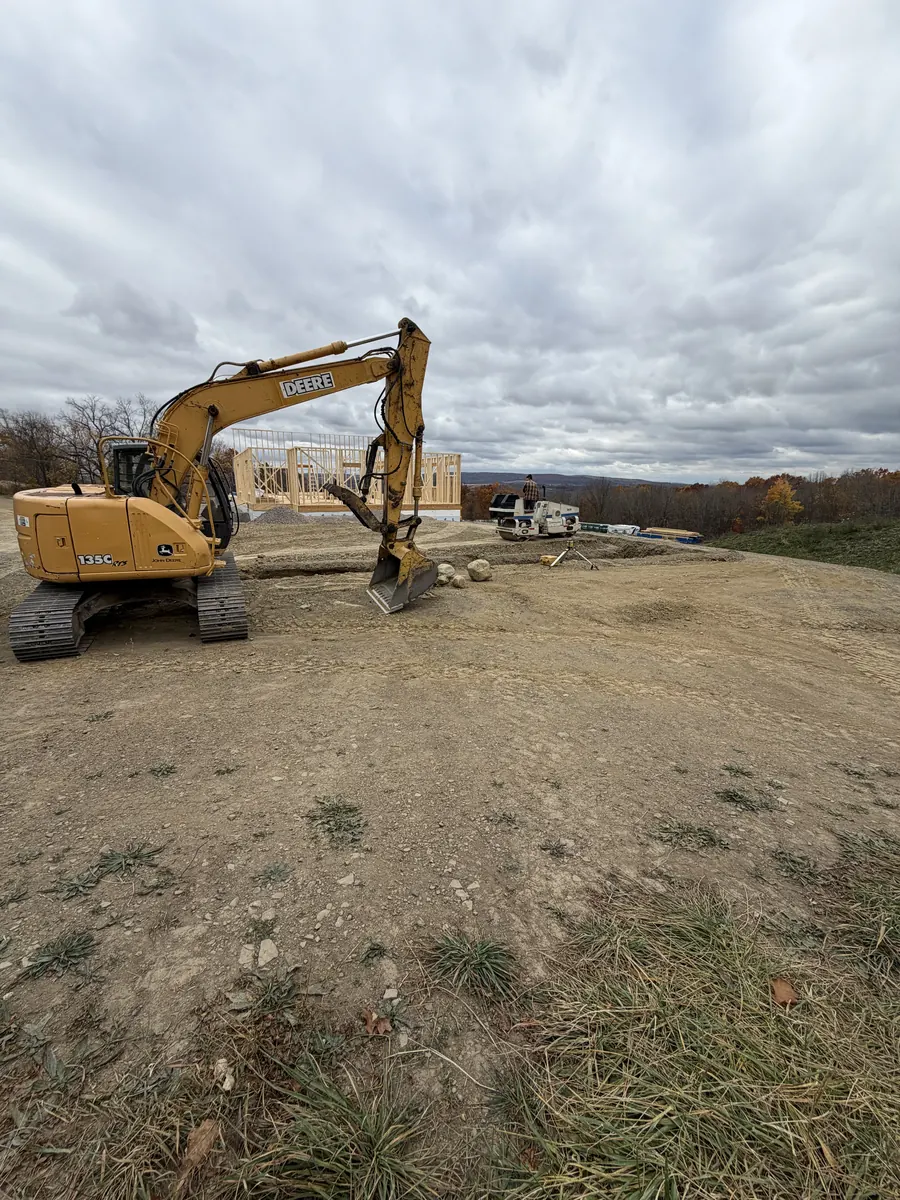
What to Include in a Site Work Quote Request in Rochester, NY
A few details and a handful of photos can turn a vague estimate into a useful one. Here is what Rochester-area property owners should send when asking for a site work, excavation, clearing, pond, utility, or driveway quote.
February 11, 2026 · 6 Min ReadOften Done Together
Land Clearing
Trees, brush, and stumps cleared to open up a lot for building, driveways, or a pond.
Learn More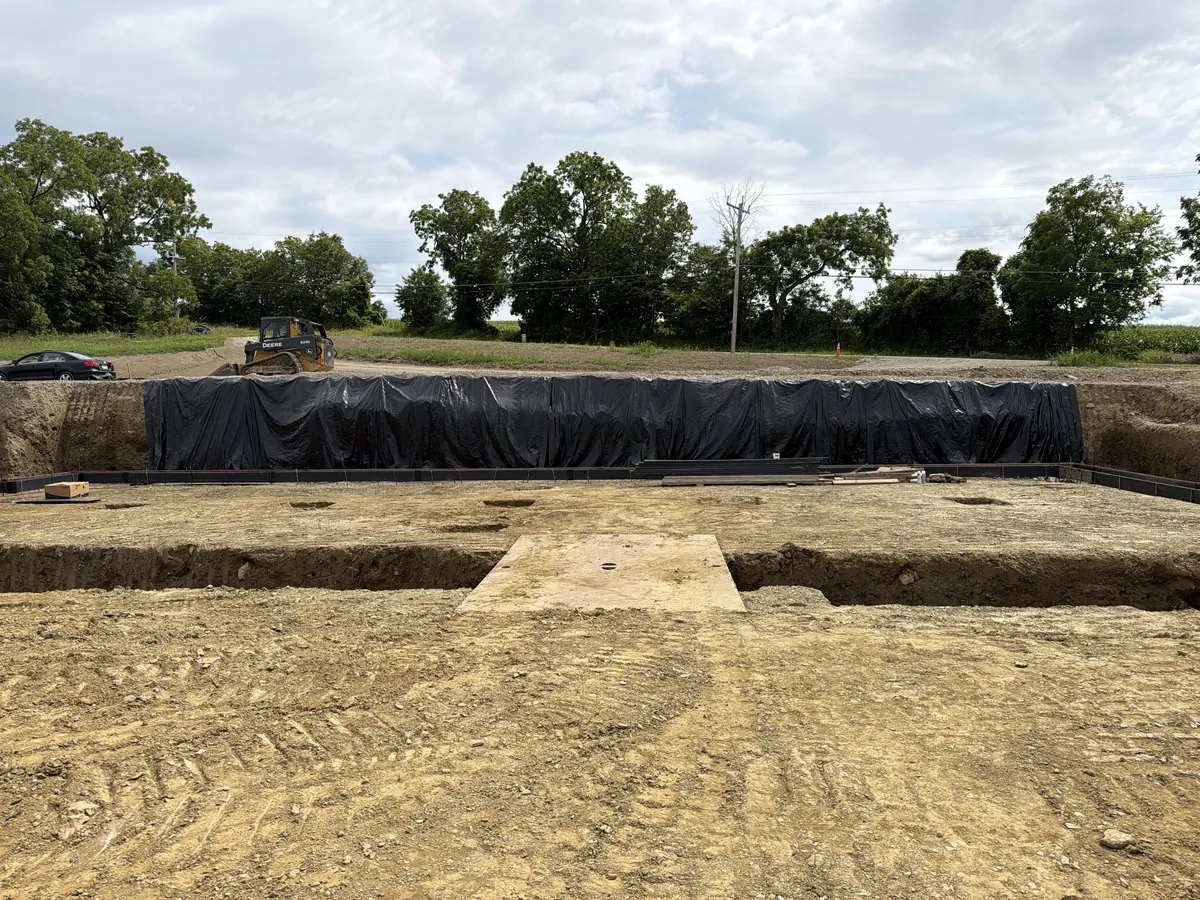
Site Work and Excavation
Site prep, foundation digs, trenching, and grading to get a build started on solid ground.
Learn More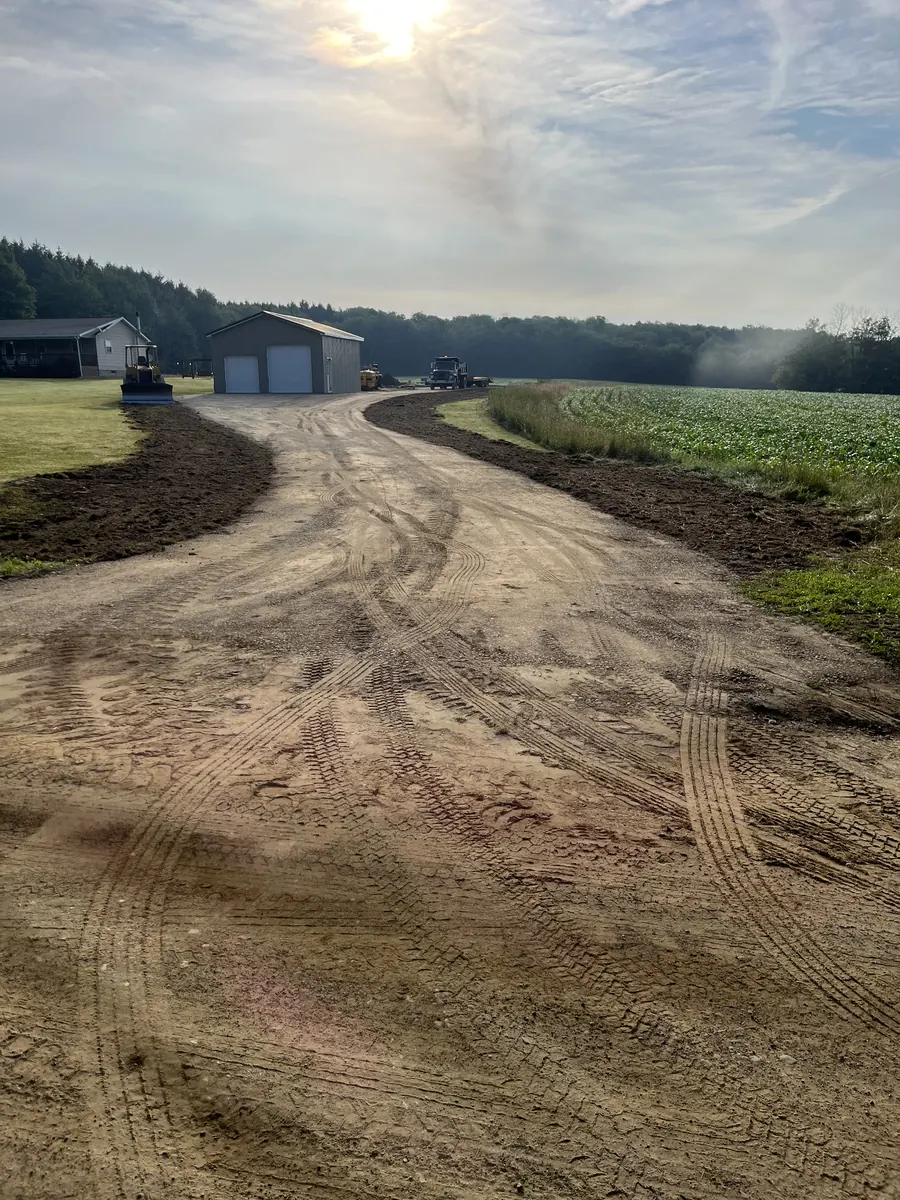
Driveways and Paving
New gravel driveways and paving, graded and built to drain.
Learn MoreGot Ground That Needs Work?
Send us the location, what you need done, and a few photos. We will get back to you to talk it through.
Request a Quote