
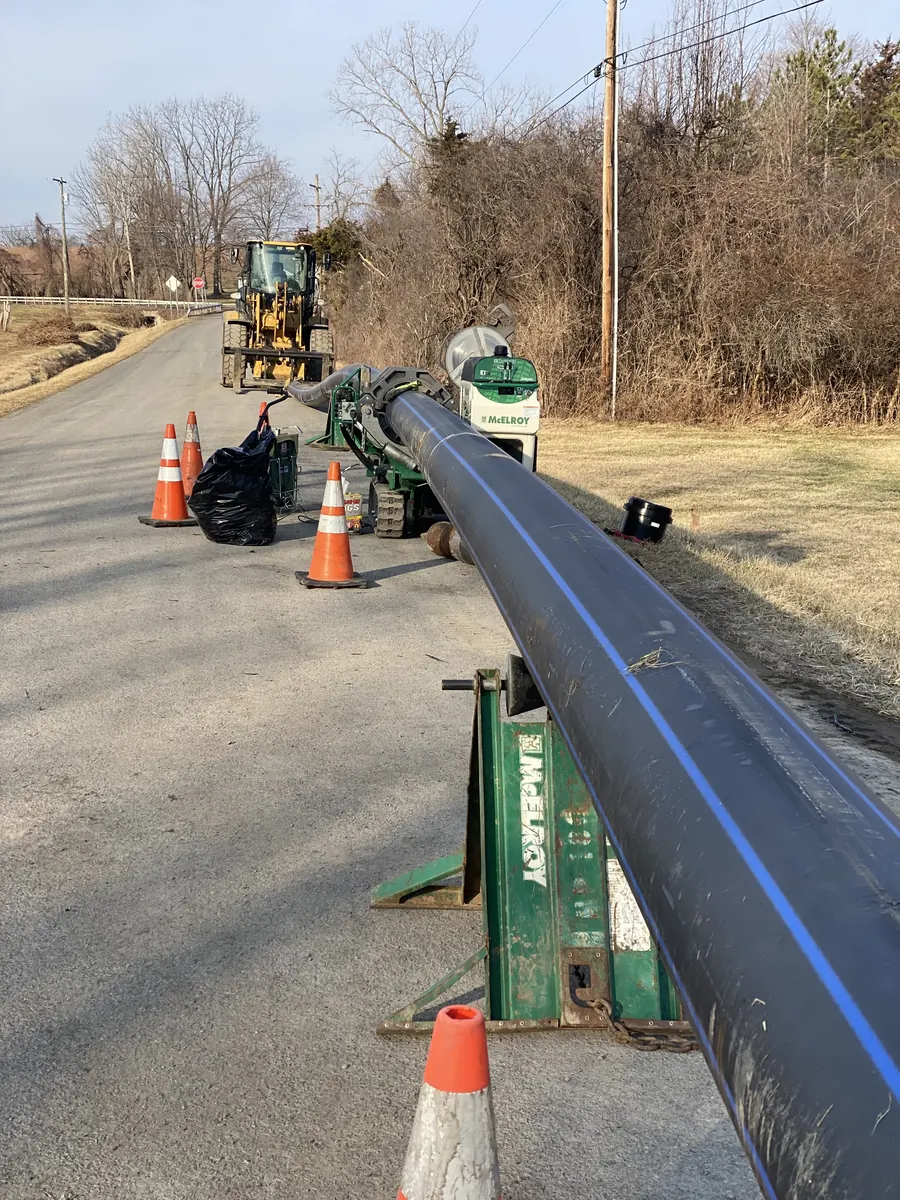
One Continuous Line, No Joints to Fail
HDPE pipe joined by butt fusion becomes a single continuous line. Instead of couplings and gaskets, the pipe ends are heated and pressed together until they become one piece, so there are no mechanical joints to leak underground.
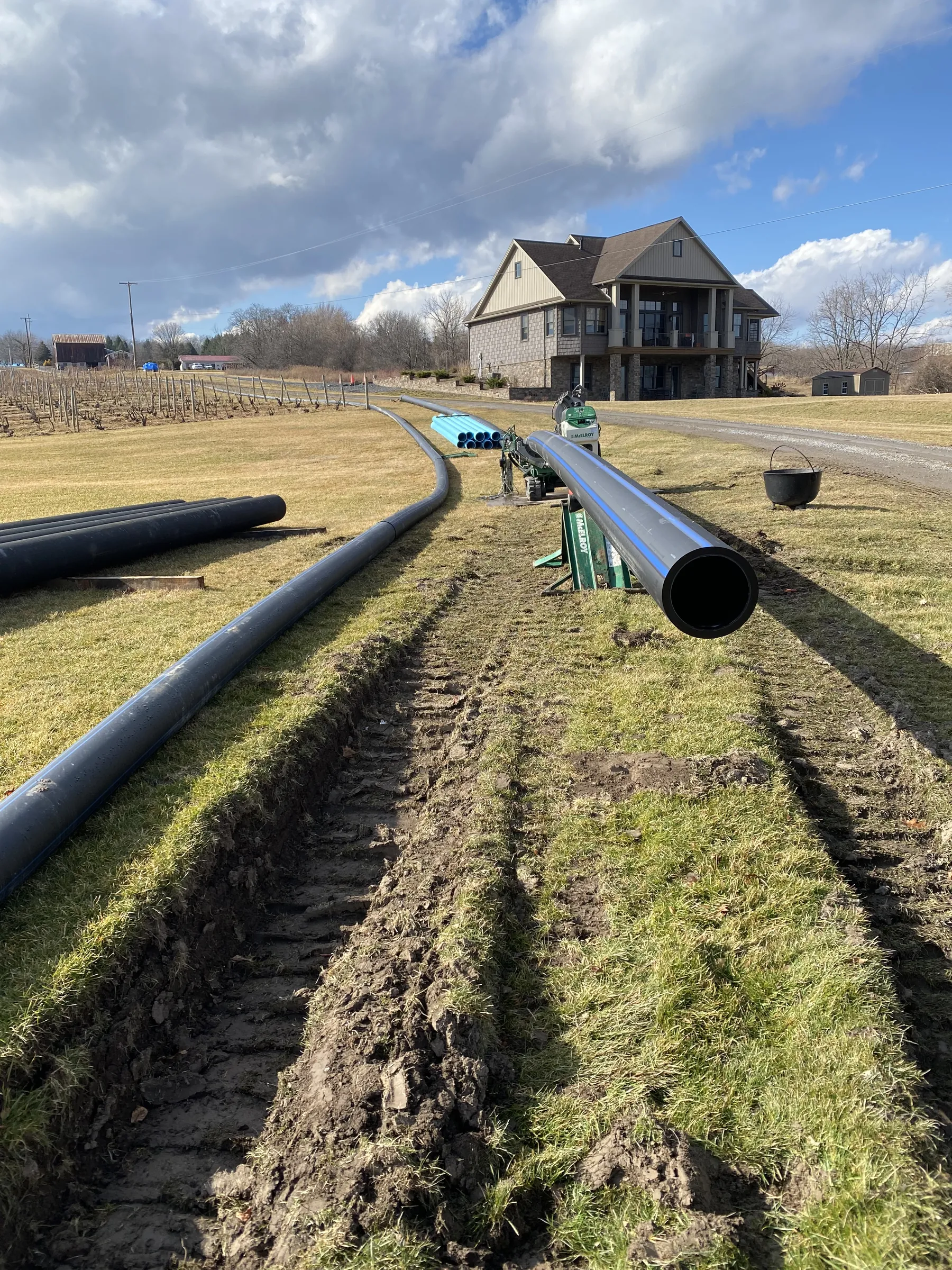
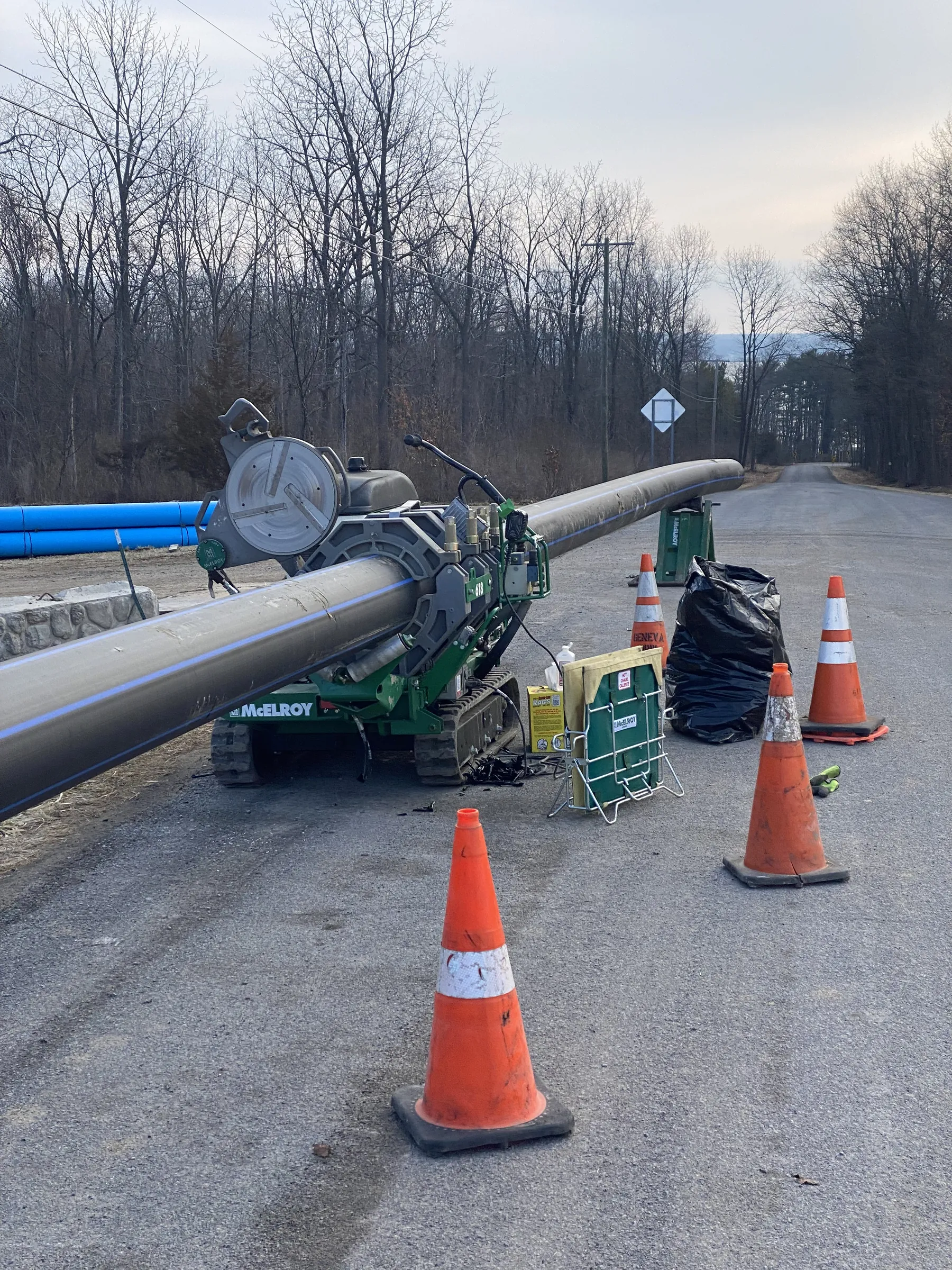
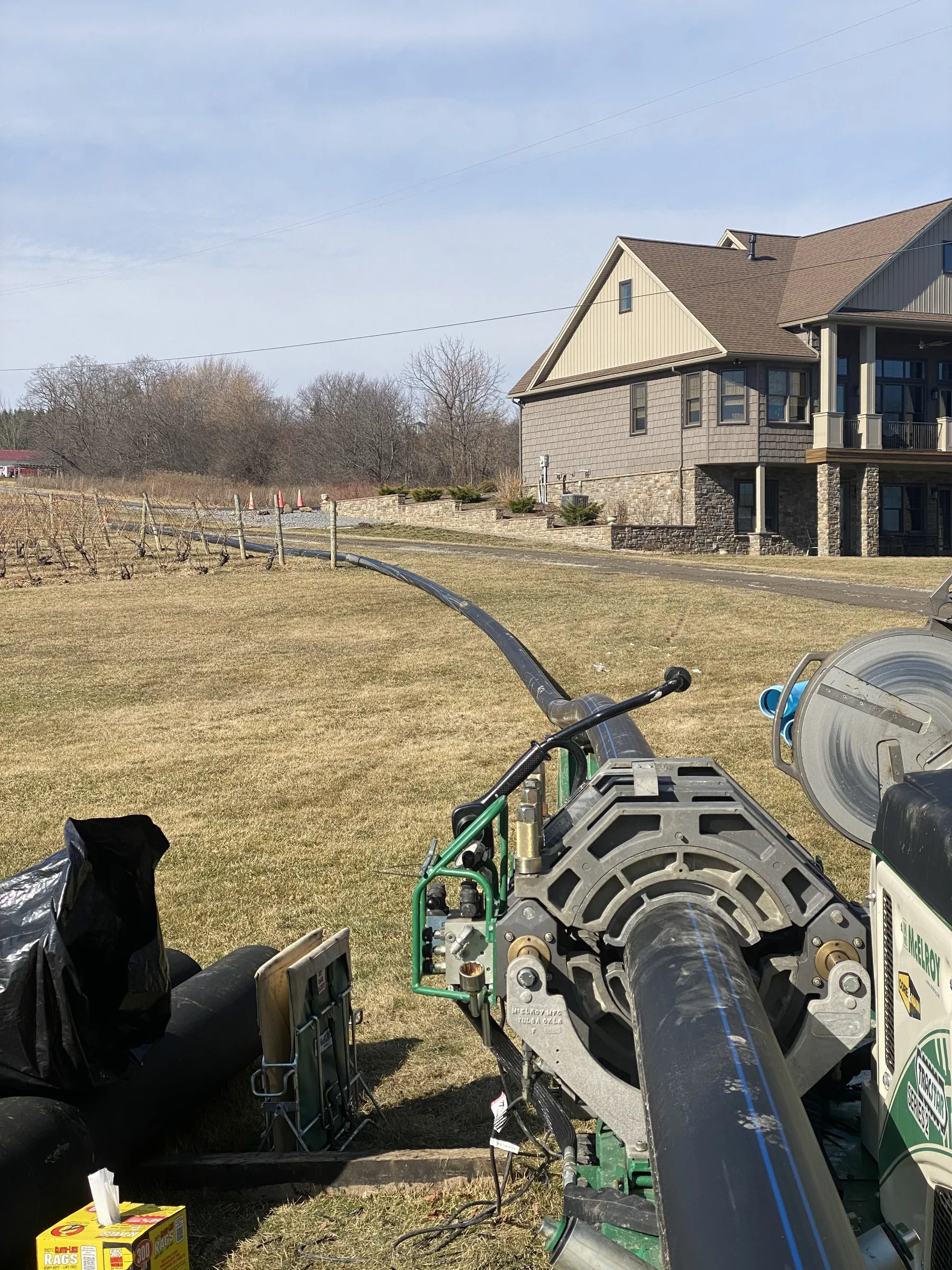
Grove fuses HDPE pipe on site and installs it in open trench or pulls it through directional bores, from long roadside runs to multiple lines laid side by side on farms.
HDPE Pipe Fusion Services
Hire us for one piece of the job or all of it. Pick what your project needs.
On-Site Fusion
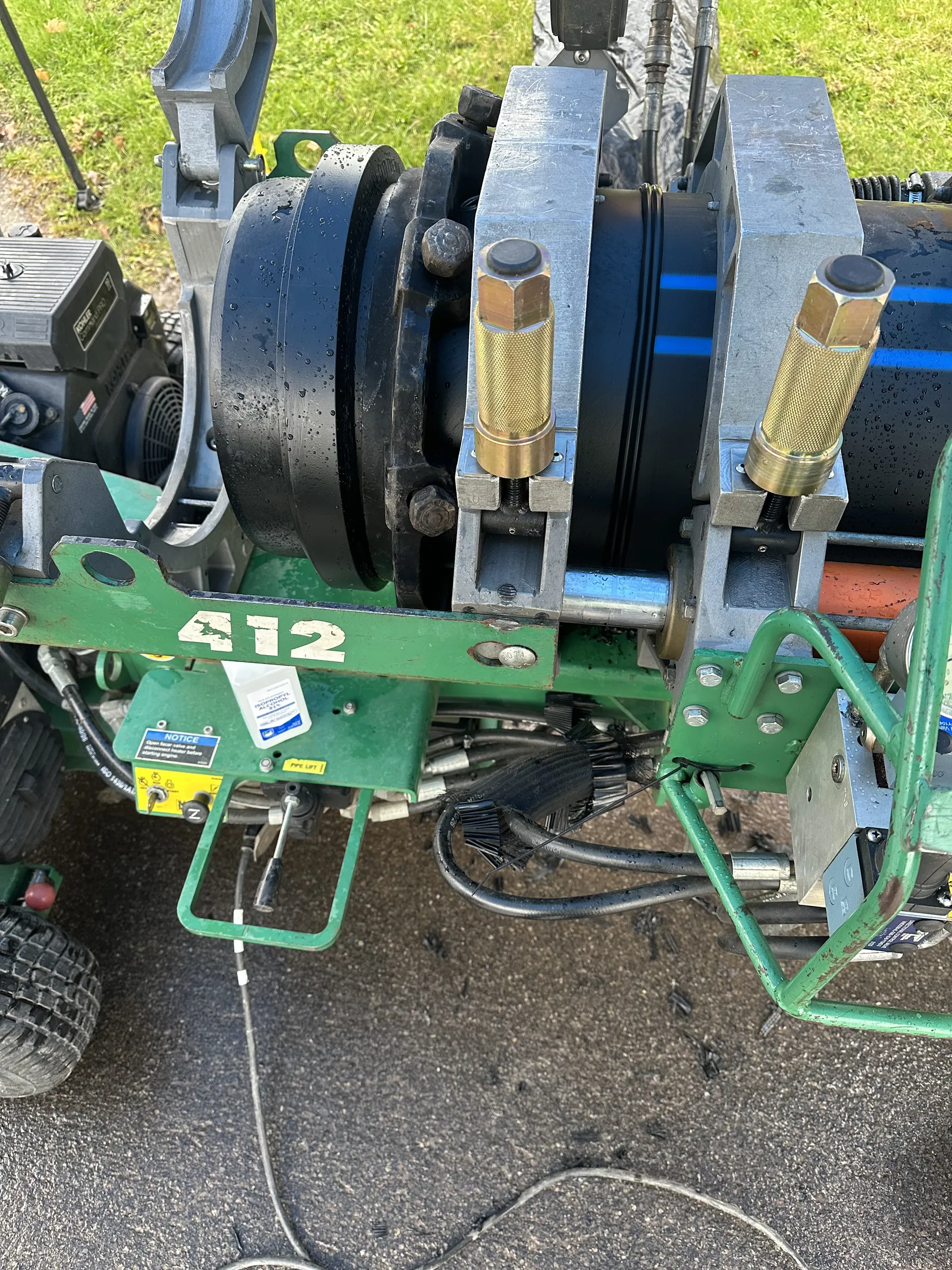
Pipe fused with a butt fusion machine right on the job, following the pipe manufacturer's procedure on every joint.
Long Roadside Runs
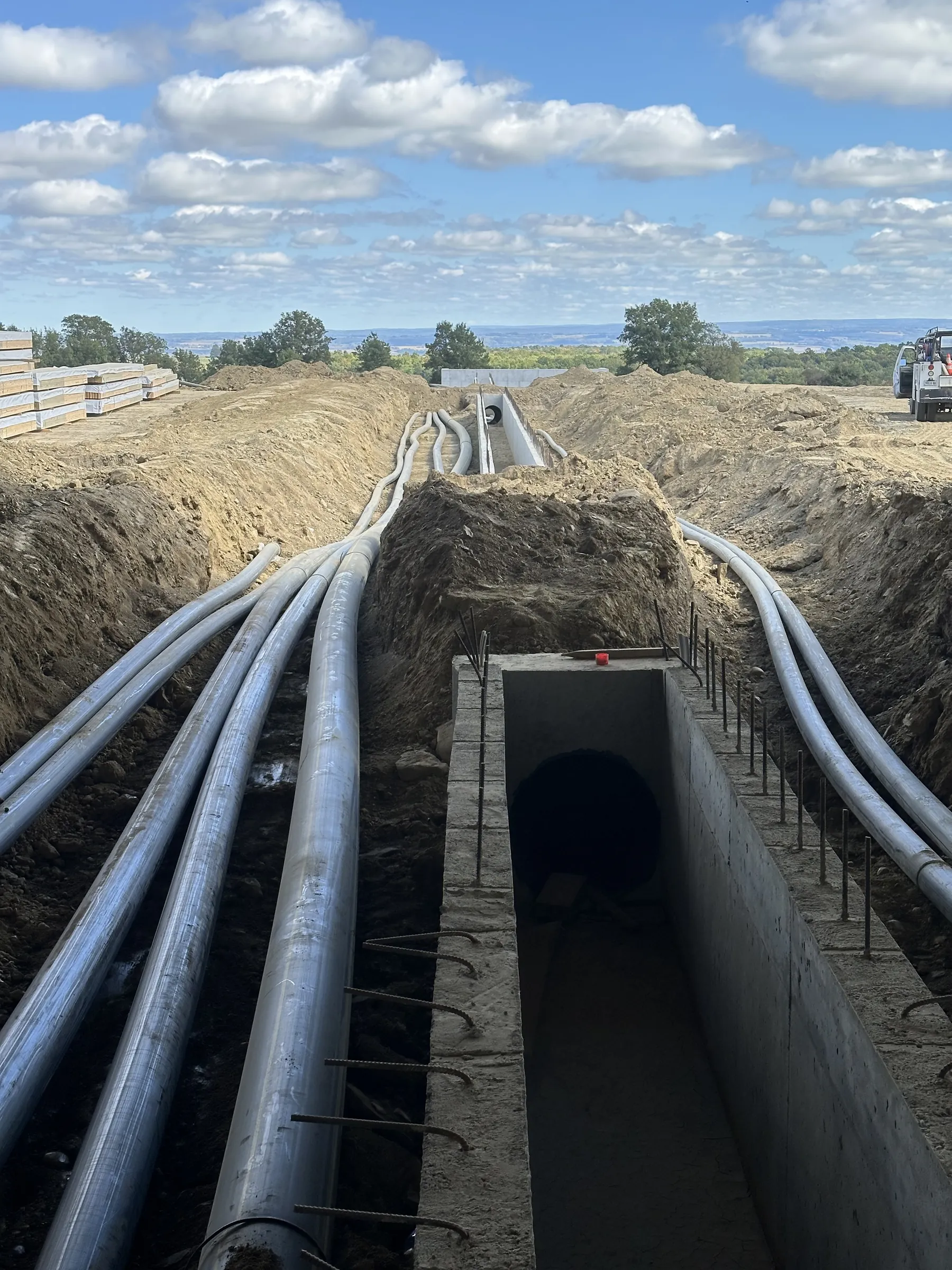
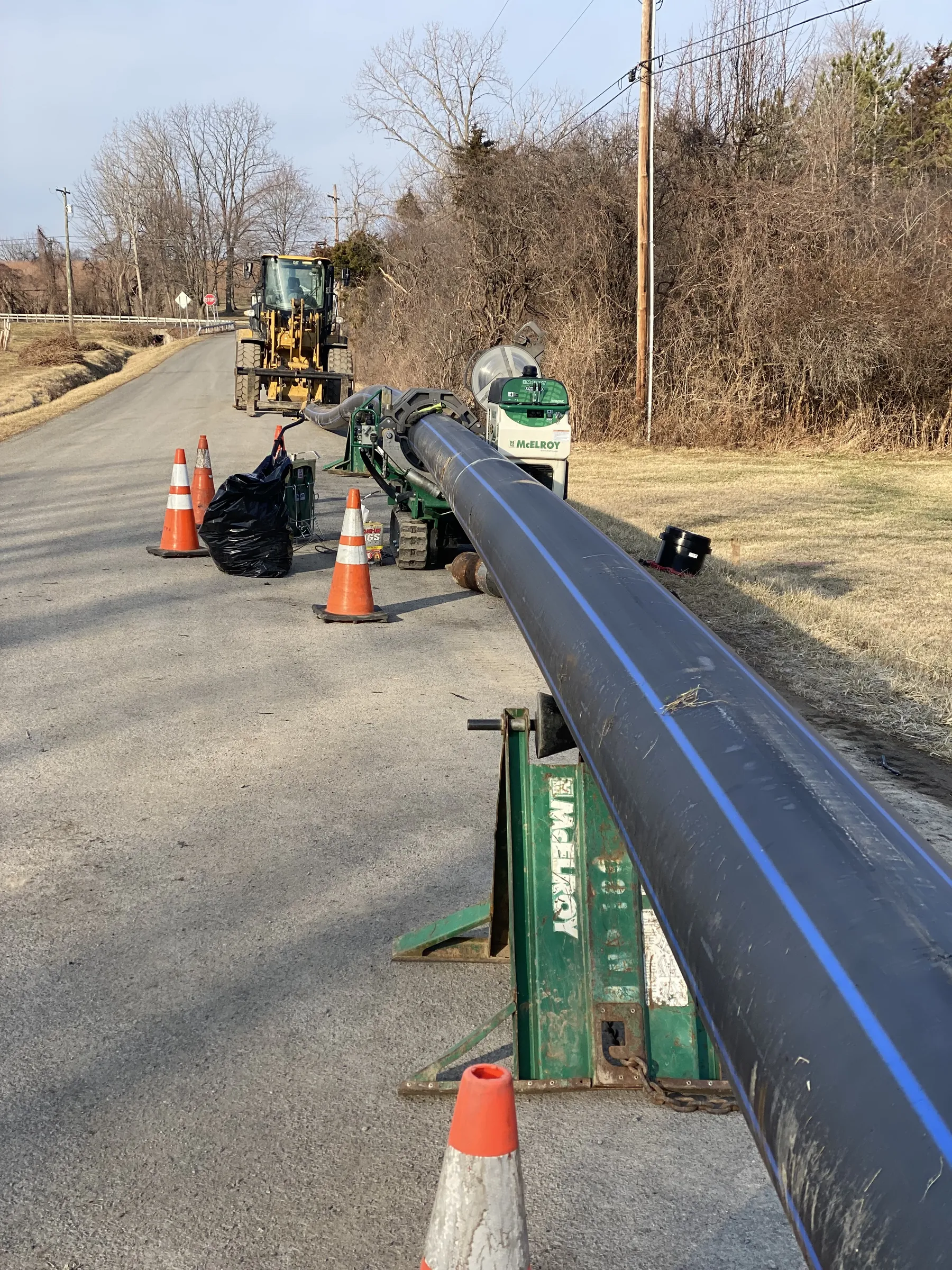
Lengths fused above ground along the route, then laid into the trench as one continuous line.
Multi-Line Trenches
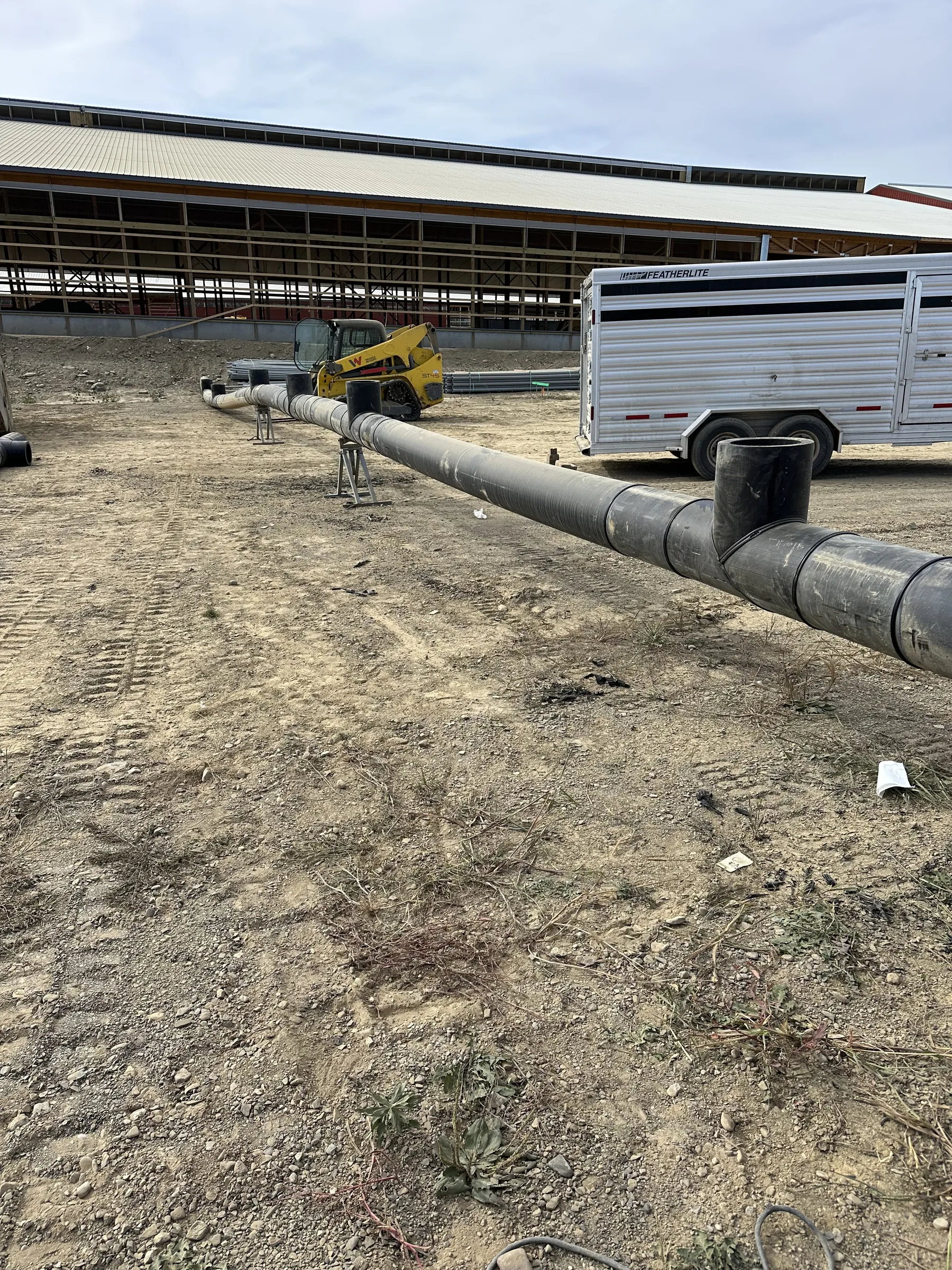
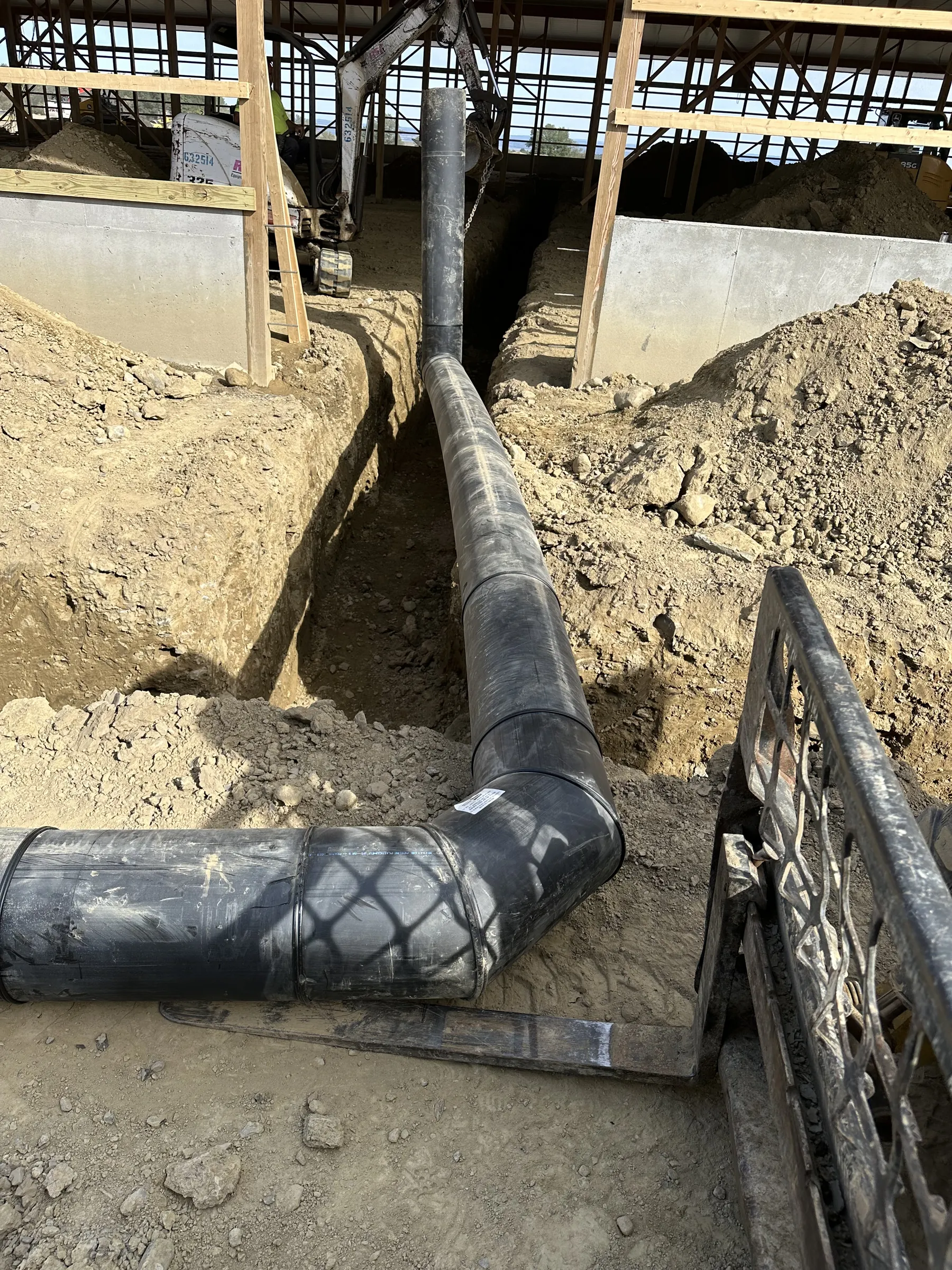
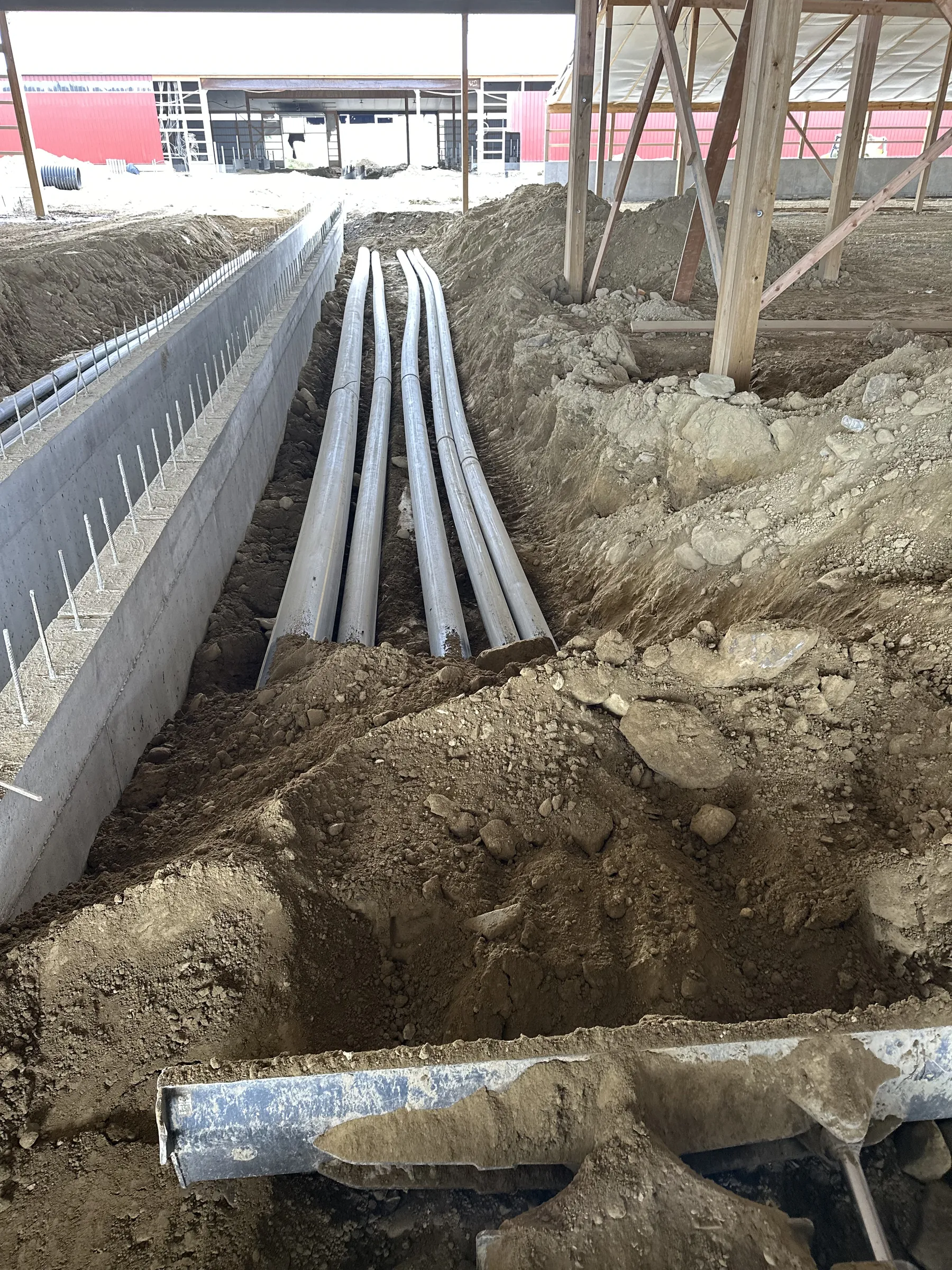
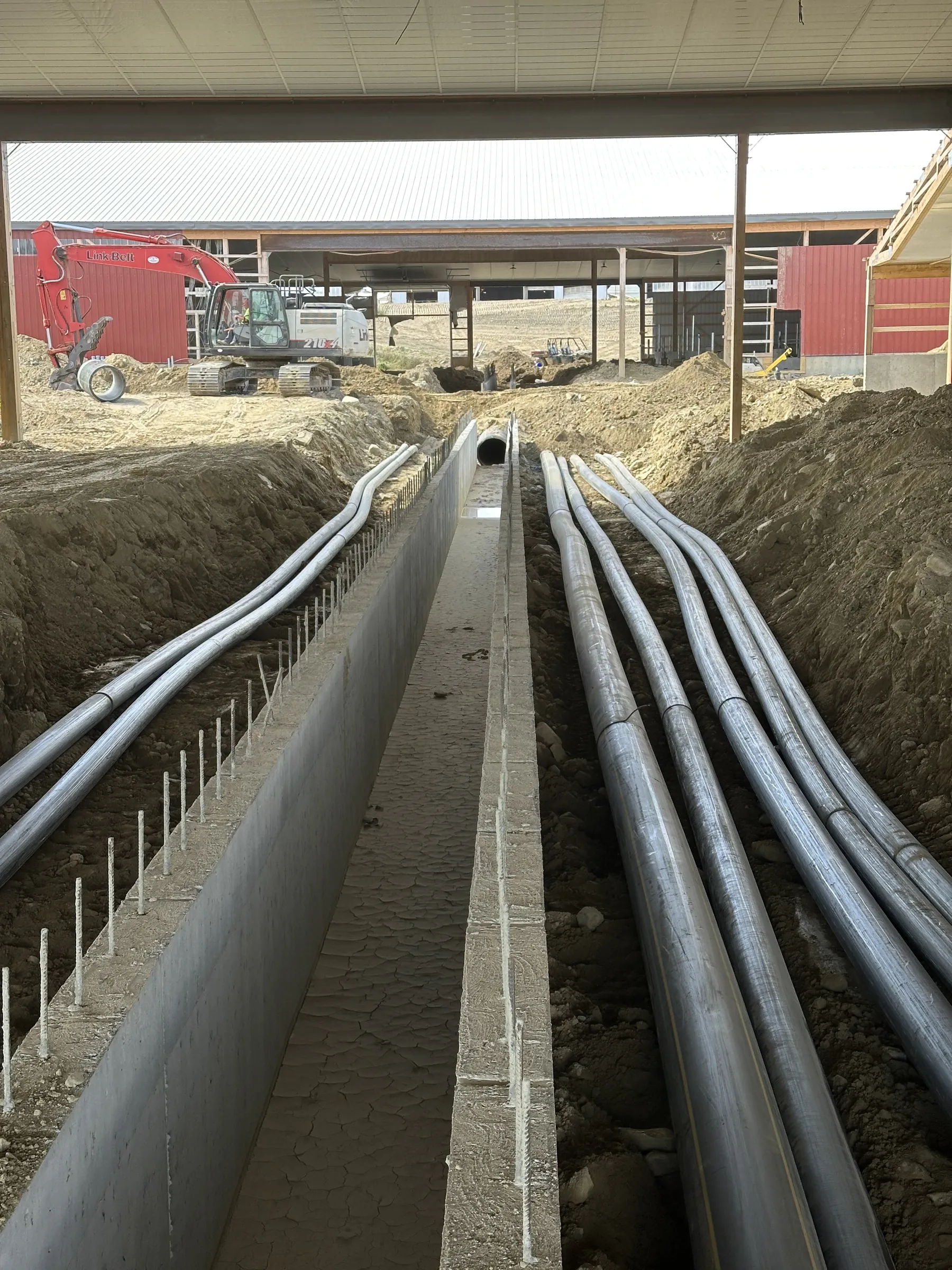
Several lines laid side by side in a single trench for farms and larger properties.
Agricultural Water
Water lines to barns, fields, and livestock areas where durability matters.
Bore Pullbacks
Fused pipe pulled back through directional drilling bores with no joints inside the ground.
Installation and Backfill
Fused lines laid, connected, and backfilled to protect the pipe.
HDPE Pipe Fusion in Rochester, NY
Buried pipe around Rochester lives a hard life. The ground freezes and thaws over and over each winter, clay swells and shrinks with moisture, and stony till shifts around the line as it settles. Every coupling or gasket in a buried run is a spot where that movement can eventually open a leak.
HDPE pipe joined by butt fusion avoids that problem. The finished line is one continuous piece, and the material itself is flexible enough to handle ground movement. We fuse HDPE on site and install it in open trench or pull it through directional bores.
Who Uses HDPE Fusion Locally
- Farms that need water lines to barns, livestock areas, and fields, often several lines at once. We have done multi-line runs at a farm and long roadside runs.
- Rural property owners with long runs from a well or road to a house or outbuilding.
- Homeowners and builders who want a water service with no buried mechanical joints.
- Anyone crossing under a driveway or road with directional drilling, where a fused line pulls through the bore in one piece.
Why HDPE Suits Our Climate
Freeze-thaw movement. HDPE flexes with the ground instead of cracking or pulling apart at joints. That makes it a strong choice for upstate winters.
Clay soils. Lake-plain clay in towns like Hamlin, Parma, and Williamson moves with moisture. A continuous line rides through that movement better than a run with many joints.
Stony ground. In glacial till, rock can still damage any pipe. Fusion does not change the need for good bedding, so we keep stone away from the pipe in the trench.
Long runs. On farms and rural parcels in Riga, Bergen, Le Roy, and Wheatland, runs can be long. Fusing lengths above ground along the route and laying the line in as one piece keeps joints out of the ground entirely.
Seasonal Considerations
Fusion is done on site, so weather matters:
- Fusion is a controlled process. Wind, rain, snow, and cold all affect how a joint is made, and the pipe manufacturer's procedure covers how to handle them. We follow that procedure on every joint and shelter the work when conditions call for it.
- Trenching season around Rochester runs best from late spring into fall. Spring thaw and wet clay can slow trenching, and frozen ground makes winter installs harder.
- Pipe handling changes in cold weather, since HDPE is stiffer when cold. Planning the layout for the season helps.
Permits and Approvals to Check
HDPE is a pipe material and a joining method, so the permits depend on what the line is for and where it runs:
- Water providers such as the Monroe County Water Authority or the City of Rochester water bureau have rules for service lines and connections.
- Your town may require permits for the work, depending on the project.
- Road crossings in a public right of way need permission from whoever owns the road, whether town, county, or state.
- Wetlands and streams may involve NYS DEC Region 8 if a run crosses or comes near them.
- Dig Safely New York (811) needs notice at least two full working days before digging, not counting weekends and holidays.
Check with your provider and town, since local code sets the exact requirements.
What to Expect on a Fusion Job
- Plan the route and pipe. We talk through what the line is for, how long it is, and the right pipe for the job.
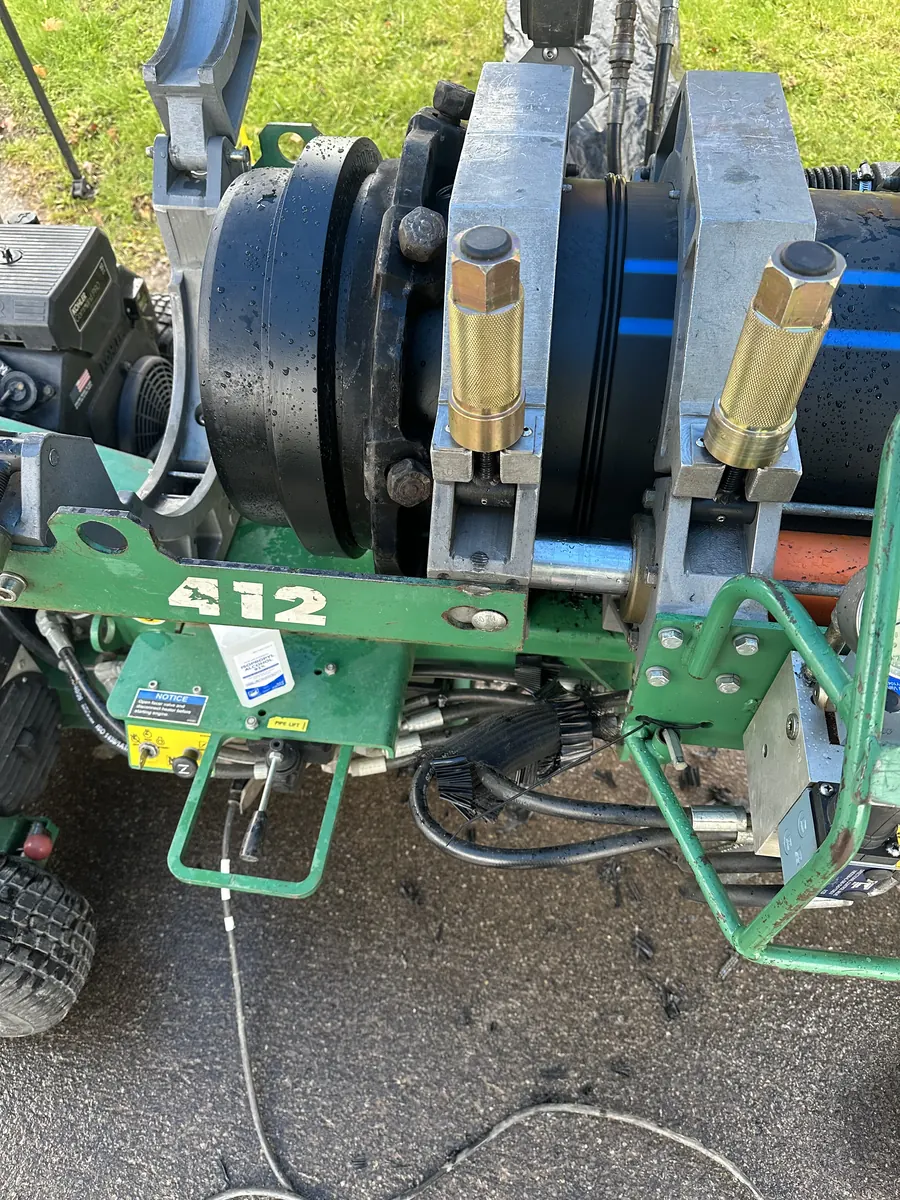
- Lay out and fuse. Lengths are set up along the route and fused one joint at a time with a butt fusion machine.
- Let joints cool. Each joint cools under pressure before it is handled, which is part of a proper fusion.
- Install. The finished line goes into the trench or is pulled back through a bore.
- Connect and backfill. Ends are connected and the trench is backfilled to protect the pipe.
Our post on what HDPE butt fusion is explains the process in plain language.
How to Prepare
- Know your start and end points and any buildings, tanks, or troughs being served.
- Mark private lines that 811 will not locate, such as power to outbuildings and old water lines.
- Plan space along the route for laying out and fusing pipe above ground.
- Think about future needs. On farms, it is often easier to lay an extra line in the same trench now than to dig again later.
How Grove Approaches HDPE Work
Grove's founder spent years doing site work and land moving for other contractors before starting Grove. On HDPE jobs we:
- Follow the pipe manufacturer's fusion procedure on every joint.
- Fuse on site so the line is continuous from end to end.
- Pair fusion with the right install method, whether open trench through water and utility line work or a bore under a road or driveway.
- Bed and backfill carefully so the pipe is protected.
For help weighing methods, see directional drilling vs. open trenching.
Serving Rochester and Surrounding Towns
We fuse and install HDPE pipe in Rochester and the surrounding towns, including Chili, Ogden, Parma, Hamlin, Clarkson, Riga, Wheatland, Rush, Mendon, and Webster. Farther out we work in towns such as Farmington, Williamson, Ontario, Avon, Geneseo, Caledonia, Batavia, Bergen, and Le Roy. See our service area, browse our projects, or contact us to plan a run.
The Process
-
Step 1
Clamp and Align
Pipe ends are clamped in the fusion machine and lined up.
-
Step 2
Face the Ends
A facing tool trims the ends clean, square, and flat.
-
Step 3
Heat and Join
A heater plate softens the ends, which are then pressed together under controlled pressure.
-
Step 4
Cool and Install
The joint cools under pressure, and the finished line goes into the trench or bore.
On the Job
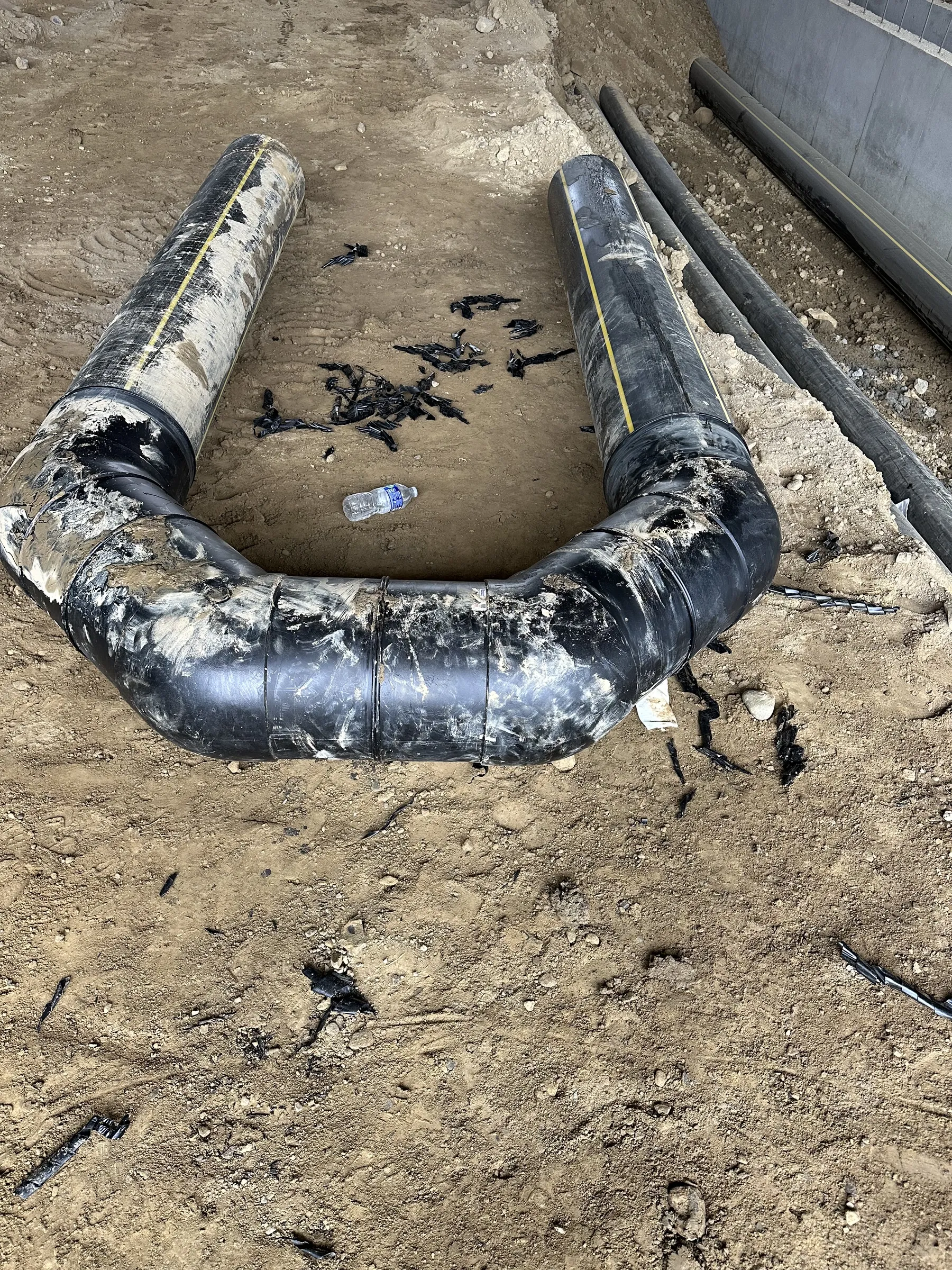
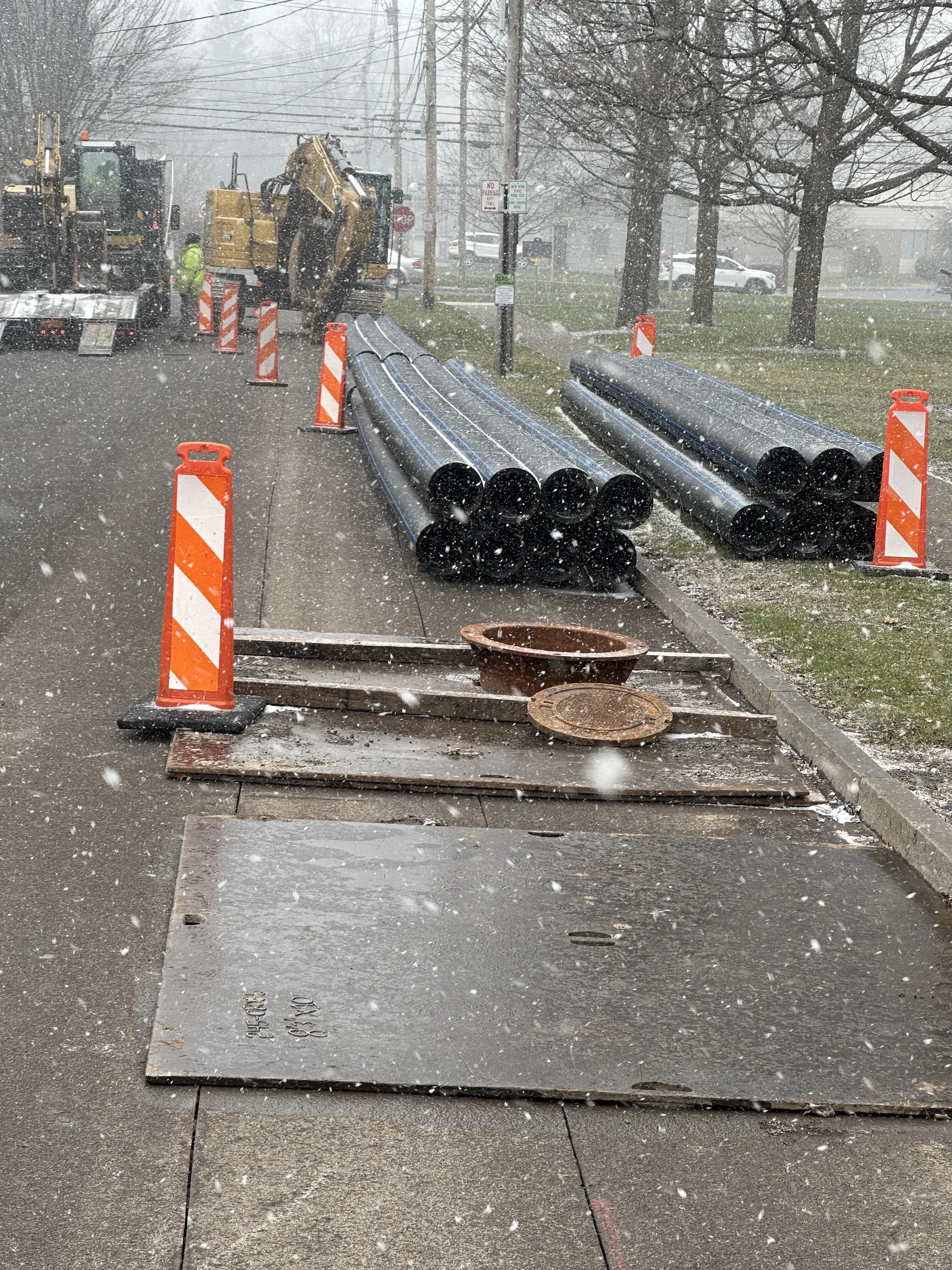
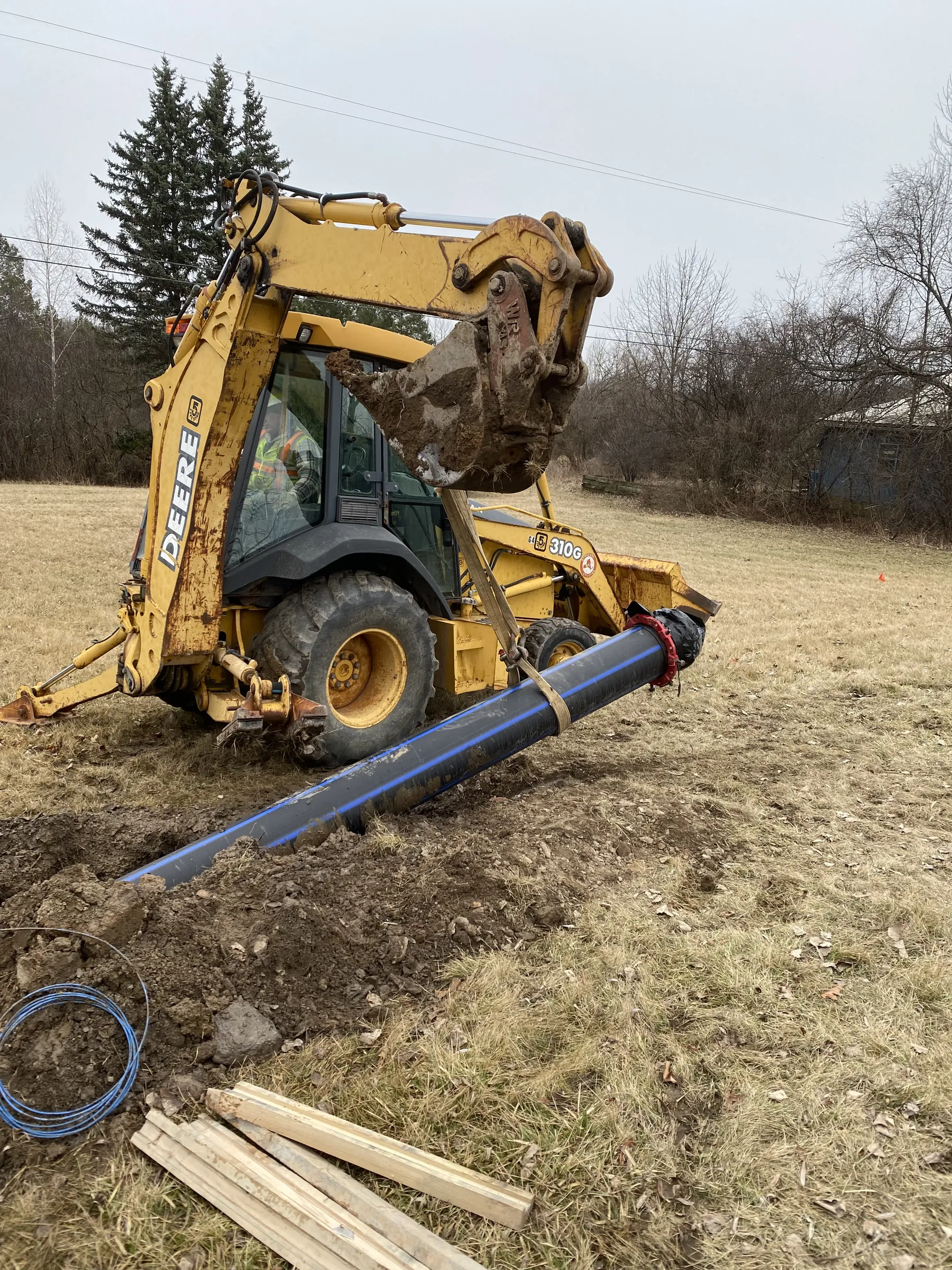
On-site fusion of HDPE pipe and installation in open trench, including multi-line runs at a farm and long roadside runs.
Need HDPE Pipe Fusion?
Send the location and a few photos of the site and we will get back to you.
Common Questions
Do not see your question here? Ask us directly when you send your project details.
Ask a Question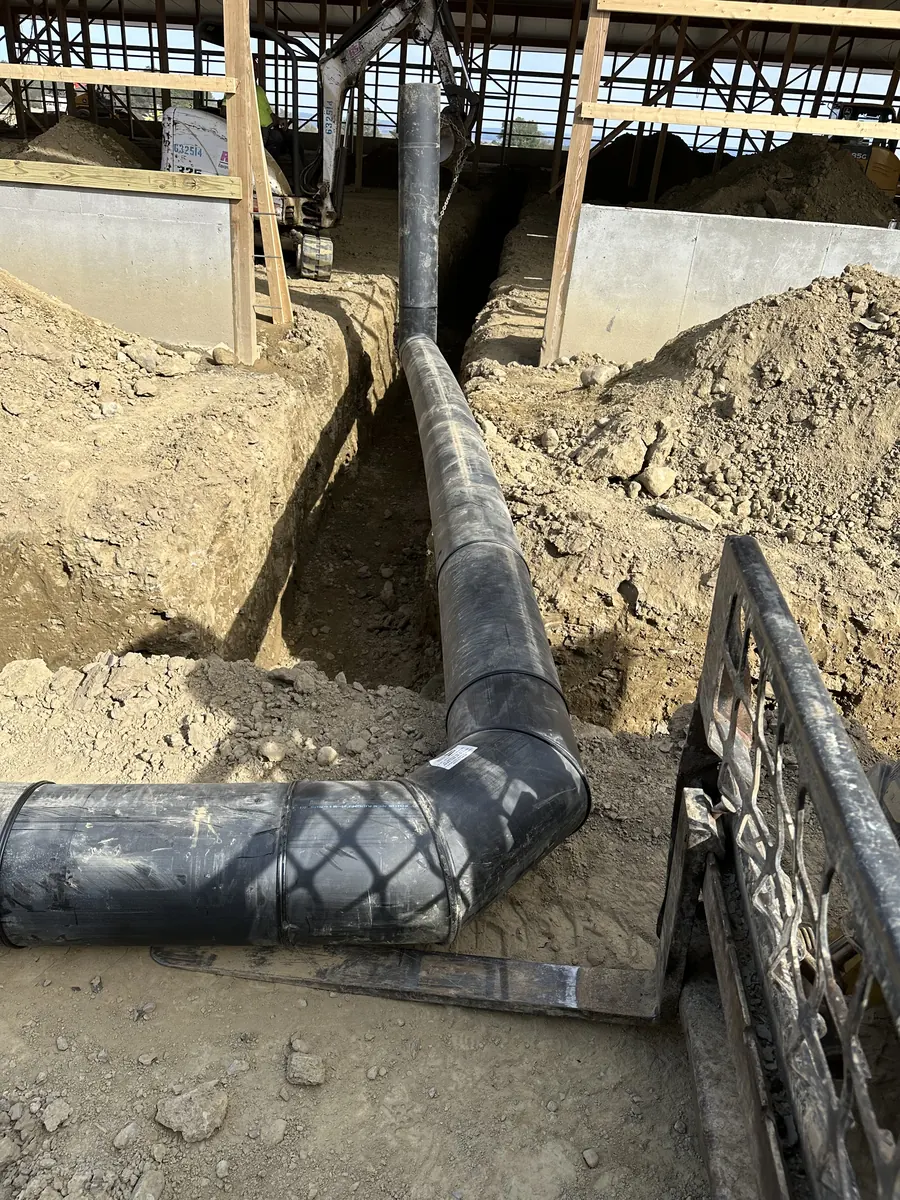
Why fuse pipe instead of using couplings?
Couplings and gaskets are common failure points in buried pipe. A properly fused joint does not have them, so the line is continuous from end to end.
Is HDPE good for cold climates?
HDPE is flexible and handles ground movement from freezing and thawing well, which is one reason it is widely used for buried water lines.
Can fused pipe go through a bore?
Yes. HDPE and directional drilling are a natural pair. A fused line can be pulled through a bore in one piece.
What sizes do you fuse?
It depends on the job. Tell us what the line is for and how long the run is, and we will talk through the right pipe.
Is HDPE accepted for water services in Monroe County?
Polyethylene is widely used for buried water lines, but your water provider and local code set what is allowed for your service. Check with the Monroe County Water Authority, the City of Rochester water bureau, or your town before the job is planned.
Can you fuse pipe in cold weather?
Often, yes. Cold, wind, and moisture affect fusion, so we follow the pipe manufacturer's procedure for those conditions and shelter the work as needed. Very harsh weather can push a fusion day back.
Can several farm lines share one trench?
Yes. Multiple lines laid side by side in one trench are common on farms. Spacing and depth depend on what each line carries, and we plan that with you.
Is HDPE a good choice for a long run from the road to a house on a rural lot?
It usually is. Fusing the line into one continuous piece keeps joints out of the ground on long runs, and the pipe handles freeze-thaw movement well.
Helpful Reading
What Is HDPE Butt Fusion? A Guide for Rochester, NY Water Lines
HDPE pipe joined by butt fusion becomes one continuous line with no couplings to leak. Here is how the process works, why it suits Rochester-area frost and farm water lines, and when it makes sense for your project.
August 12, 2026 · 6 Min Read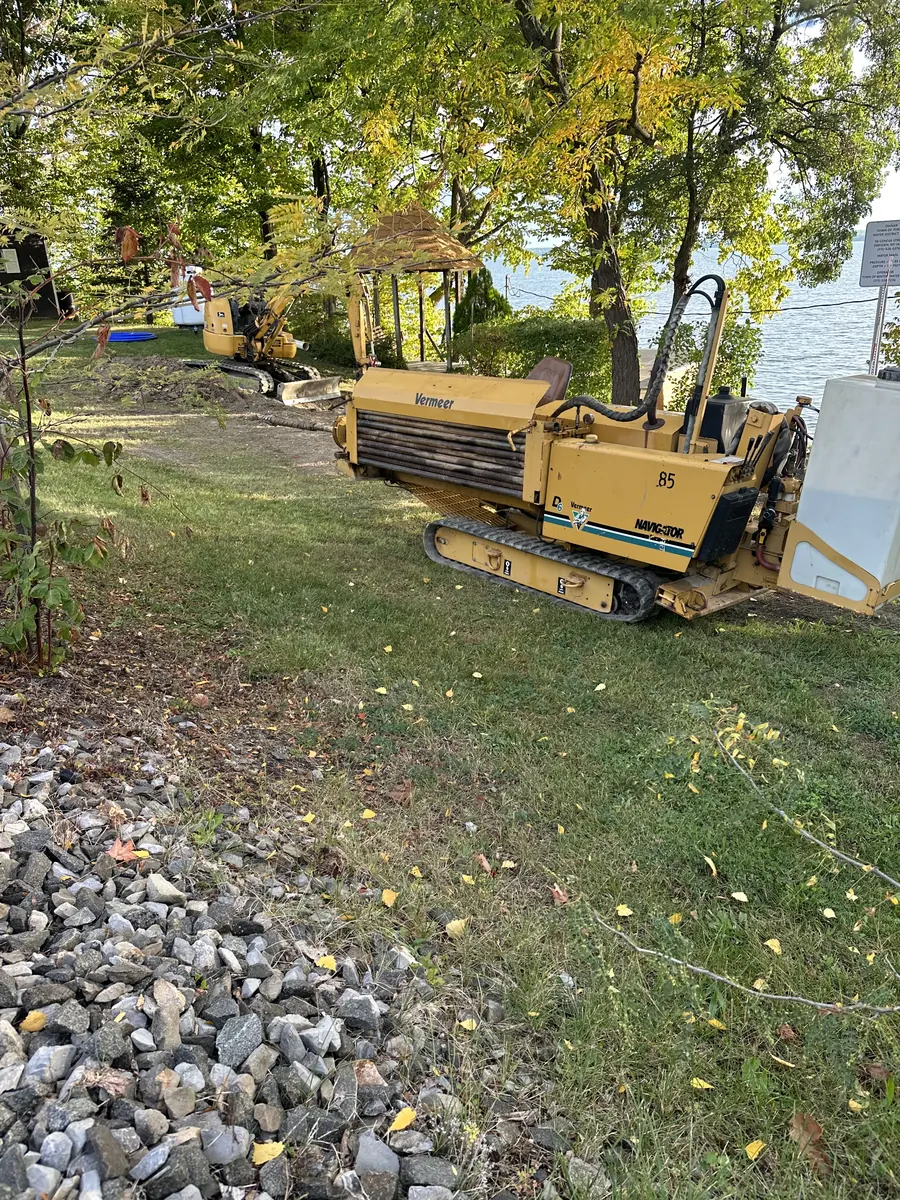
Directional Drilling vs. Open Trenching in Rochester, NY: Which Fits Your Project?
There are two ways to get a water line or conduit underground. Here is how directional drilling and open trenching compare on Rochester-area properties, and how to tell which one fits your job.
September 16, 2026 · 6 Min Read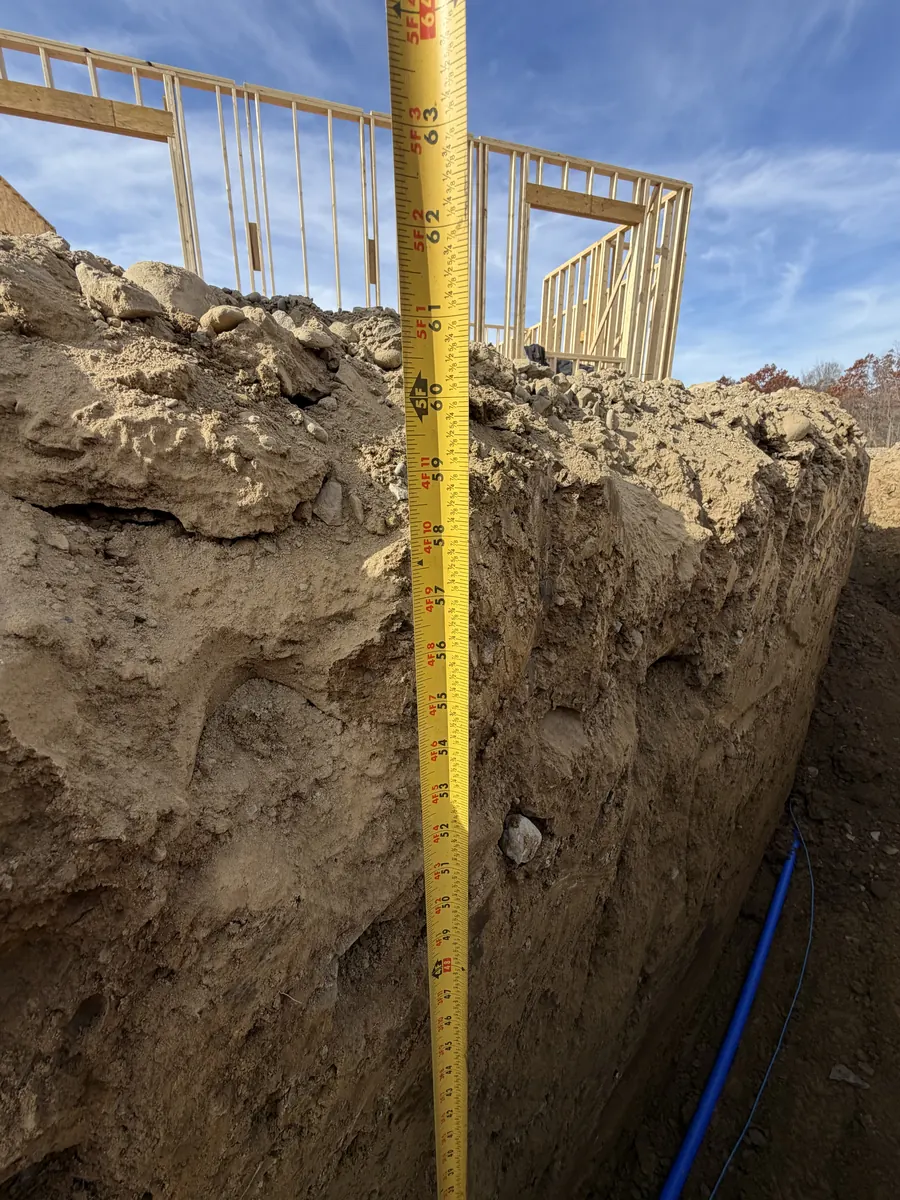
Water Service Lines in Rochester, NY: Depth, Trenching, and What to Expect
A new water service line is buried, connected, and then forgotten for decades. Here is how the work is done around Rochester, NY, why depth below frost matters so much, and what to expect from locates through backfill.
July 15, 2026 · 7 Min ReadOften Done Together
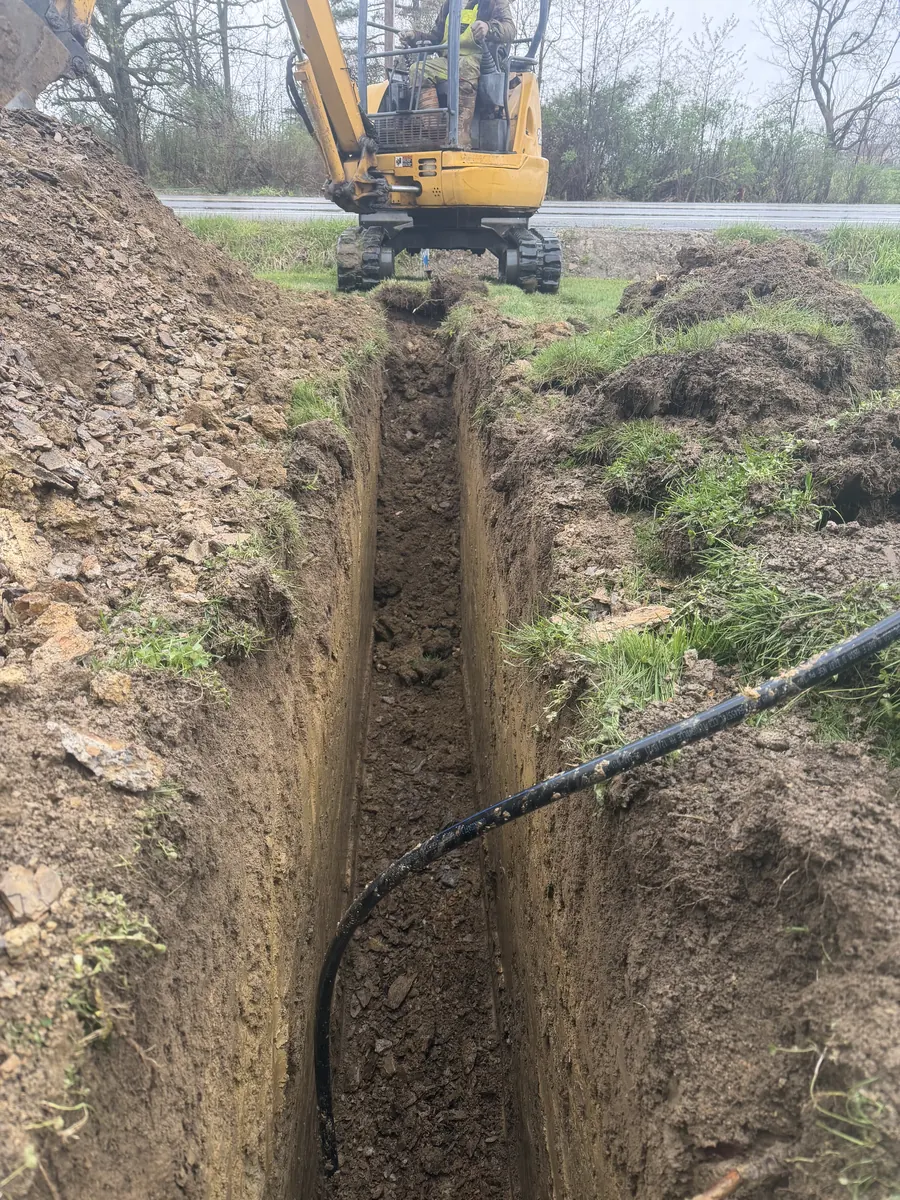
Water and Utility Lines
Water service lines trenched to depth and installed from the source to the building.
Learn More
Directional Drilling
Trenchless boring to run lines under driveways, roads, and yards without digging them up.
Learn More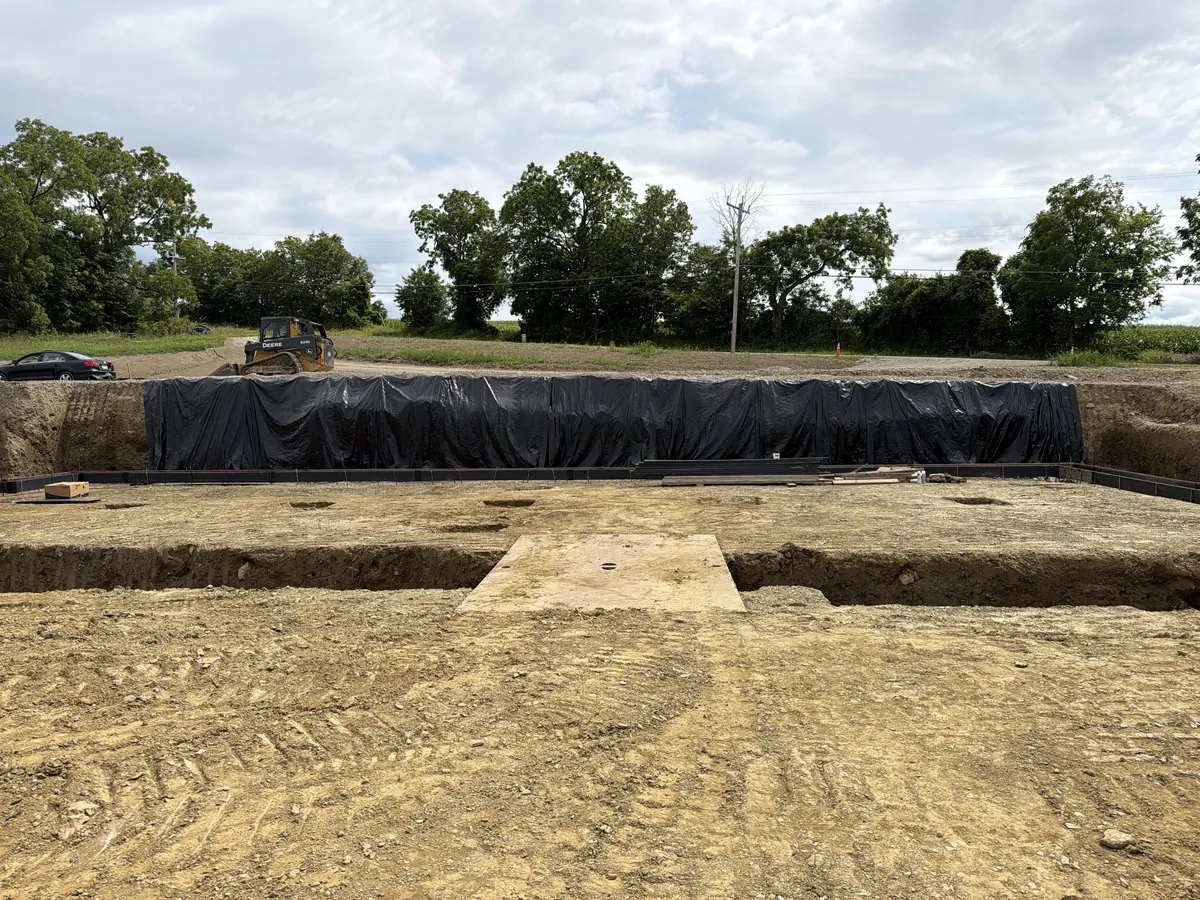
Site Work and Excavation
Site prep, foundation digs, trenching, and grading to get a build started on solid ground.
Learn More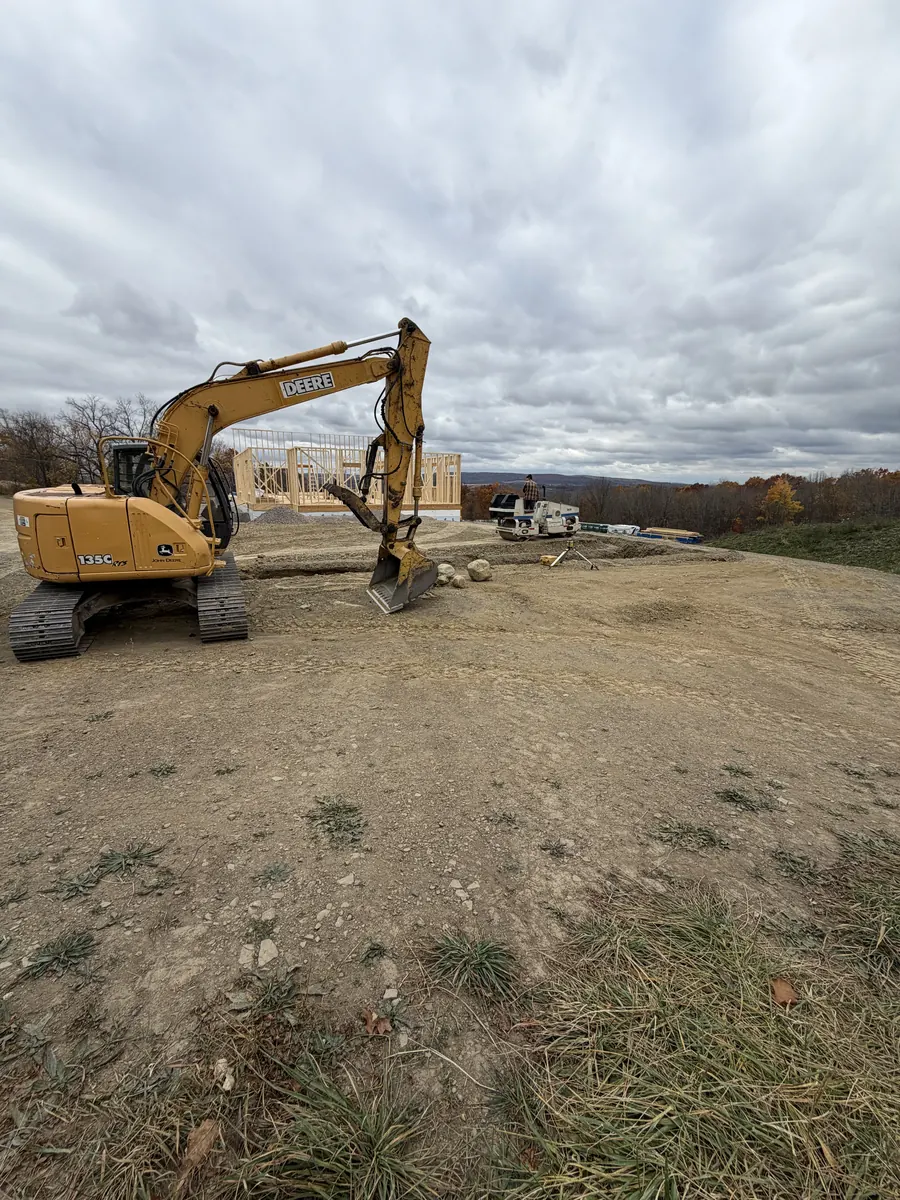
Got Ground That Needs Work?
Send us the location, what you need done, and a few photos. We will get back to you to talk it through.
Request a Quote