
Solid Ground for Every Build
Every building, addition, garage, and barn starts with the ground under it. Site work and excavation is the stage that decides whether a foundation sits level, drains properly, and stays put for decades.
Grove handles the dirt work that comes before the concrete: clearing and stripping the building area, digging the foundation and footings to the lines and depths the plans call for, trenching for utilities, and backfilling and grading once the foundation is in.
Site Work and Excavation Services
Hire us for one piece of the job or all of it. Pick what your project needs.
Site Preparation
Clearing the building area, stripping and stockpiling topsoil, and leveling the pad so the job starts on firm, workable ground.
Foundation Excavation
Digging the hole for basements, crawl spaces, and slabs with room to form walls, waterproof, and install drainage.
Footings Below Frost
Footing trenches dug to the depth the plans call for, on undisturbed soil, so freeze and thaw cycles do not move the foundation.
Utility Trenching
Trenches for water, power, and other services planned alongside the foundation so nothing has to be dug up twice.
Backfill
Backfilling around the finished foundation in a way that protects the walls and limits settling.
Rough Grading
Shaping the ground so water runs away from the building and the site is ready for the next trade.
Site Work and Excavation in Rochester, NY
Building in the Rochester area means building on ground the glaciers left behind. Within a short drive you can go from heavy lake-plain clay to stony till to limestone sitting a few feet under the grass. That variety is a big part of why site work matters so much here. The same house plan can call for a very different dig depending on which side of the county it lands on.
We handle the excavation and site work that comes before and after the concrete, and we approach every site with local ground conditions in mind.
Who Needs Site Work Locally
Most of our site work calls come from a few kinds of people:
- Homeowners building a new house on a lot in a growing town like Henrietta, Chili, or Ogden, or on rural land farther out.
- Builders and general contractors who need a reliable excavation sub to dig foundations, trench utilities, and backfill on schedule.
- Property owners adding a garage, addition, or pole barn who need a level, well-drained pad and footings dug to the right depth.
- Farms putting up new barns, equipment buildings, or livestock structures.
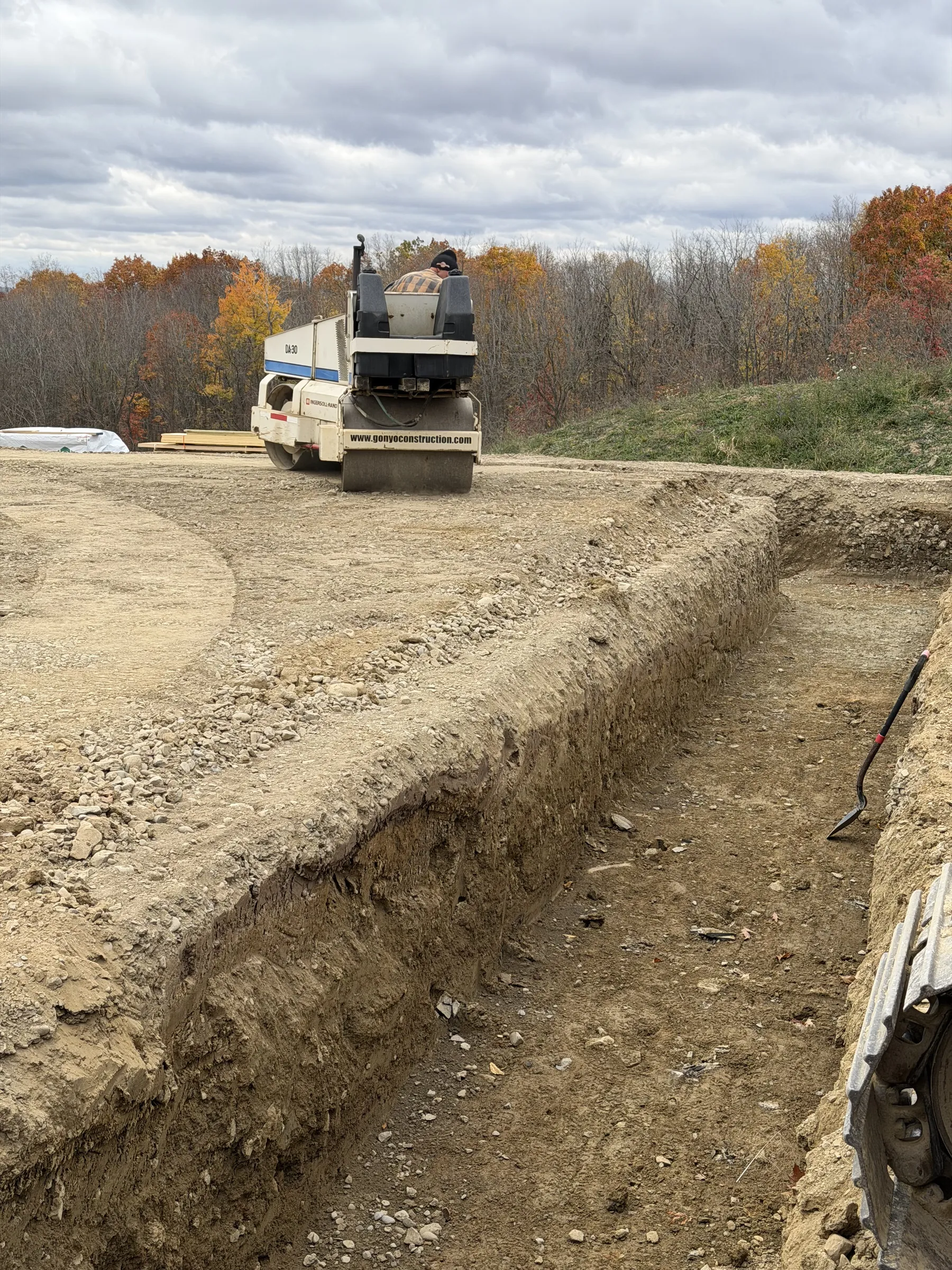
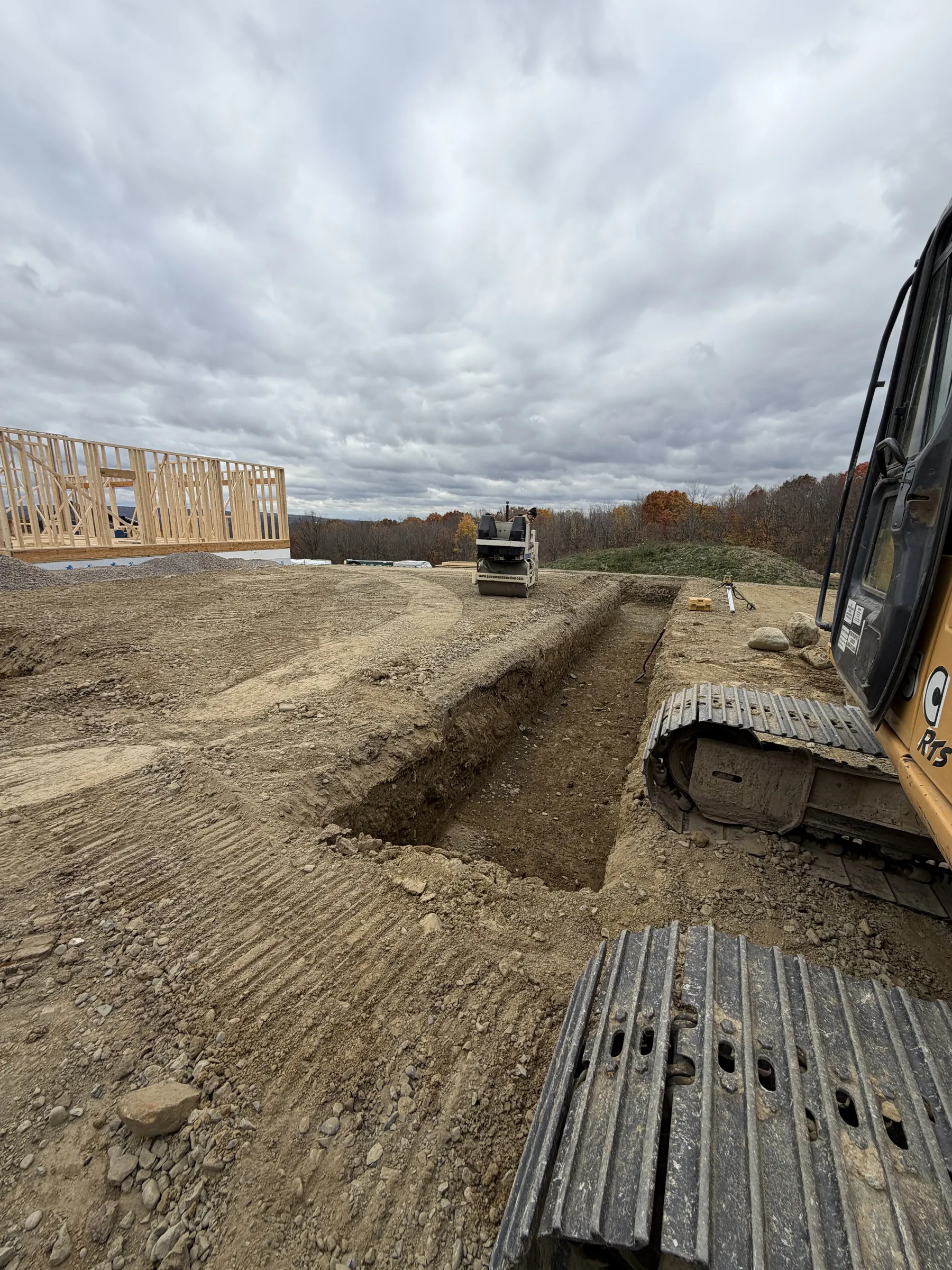
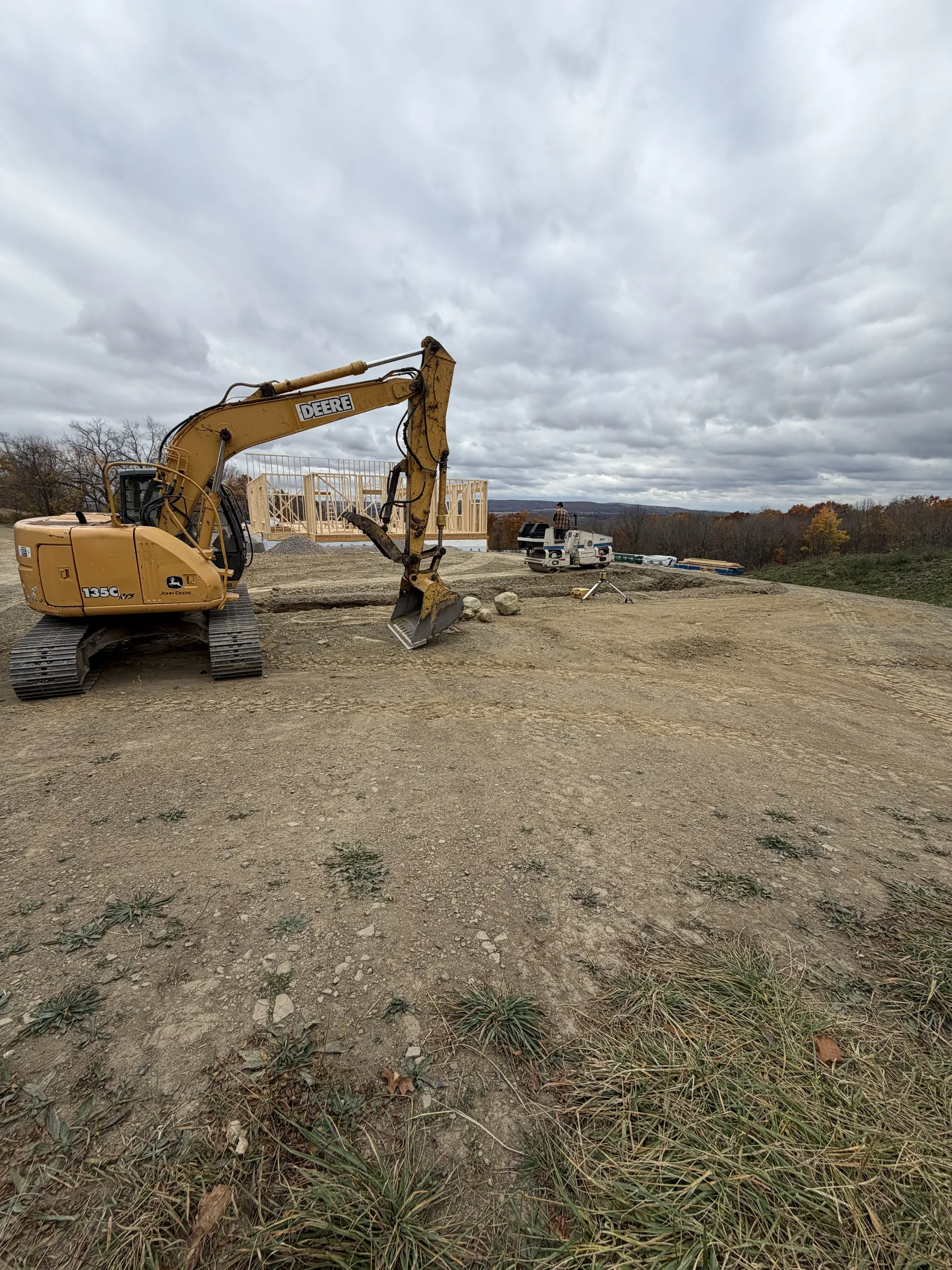
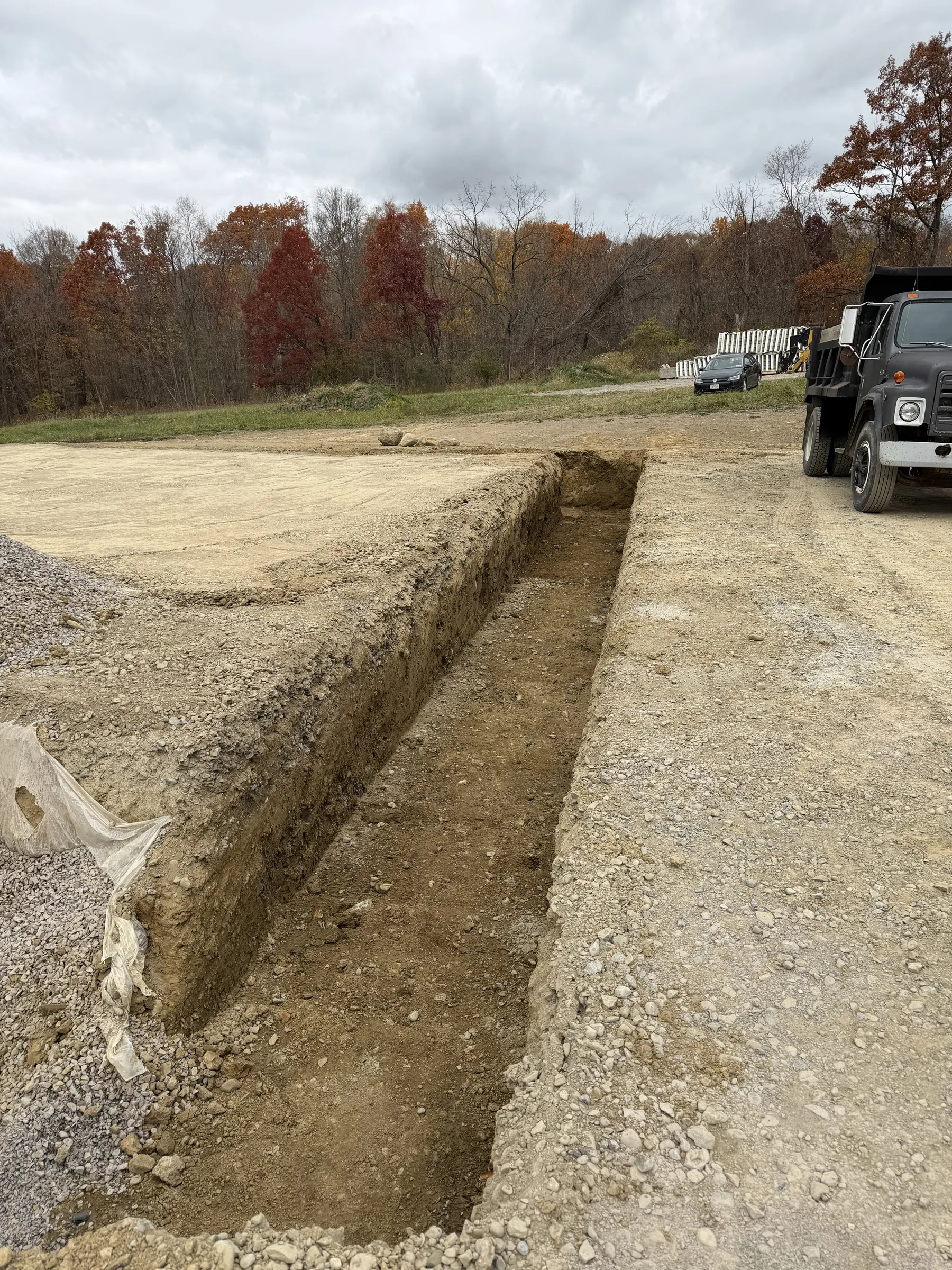
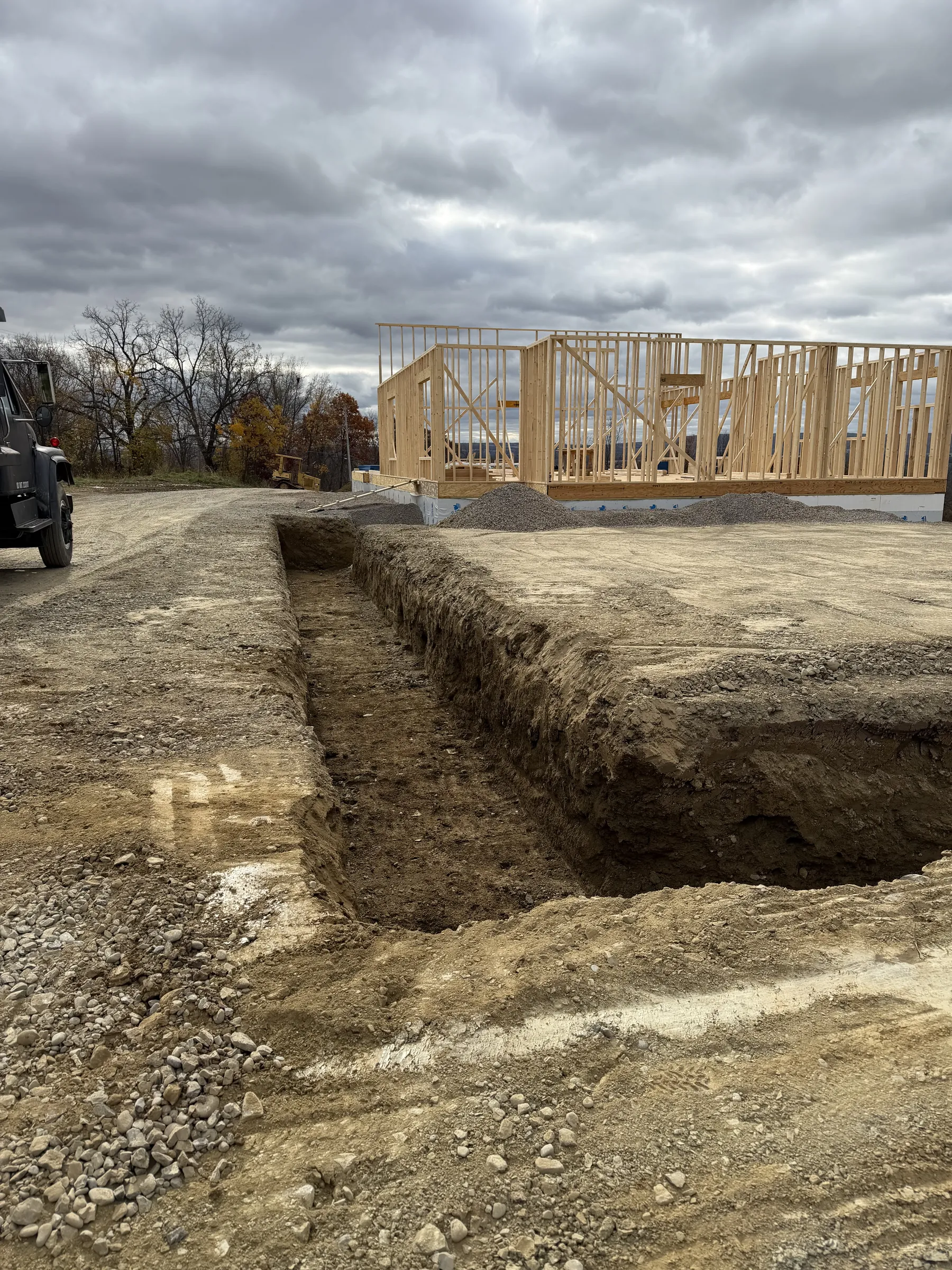
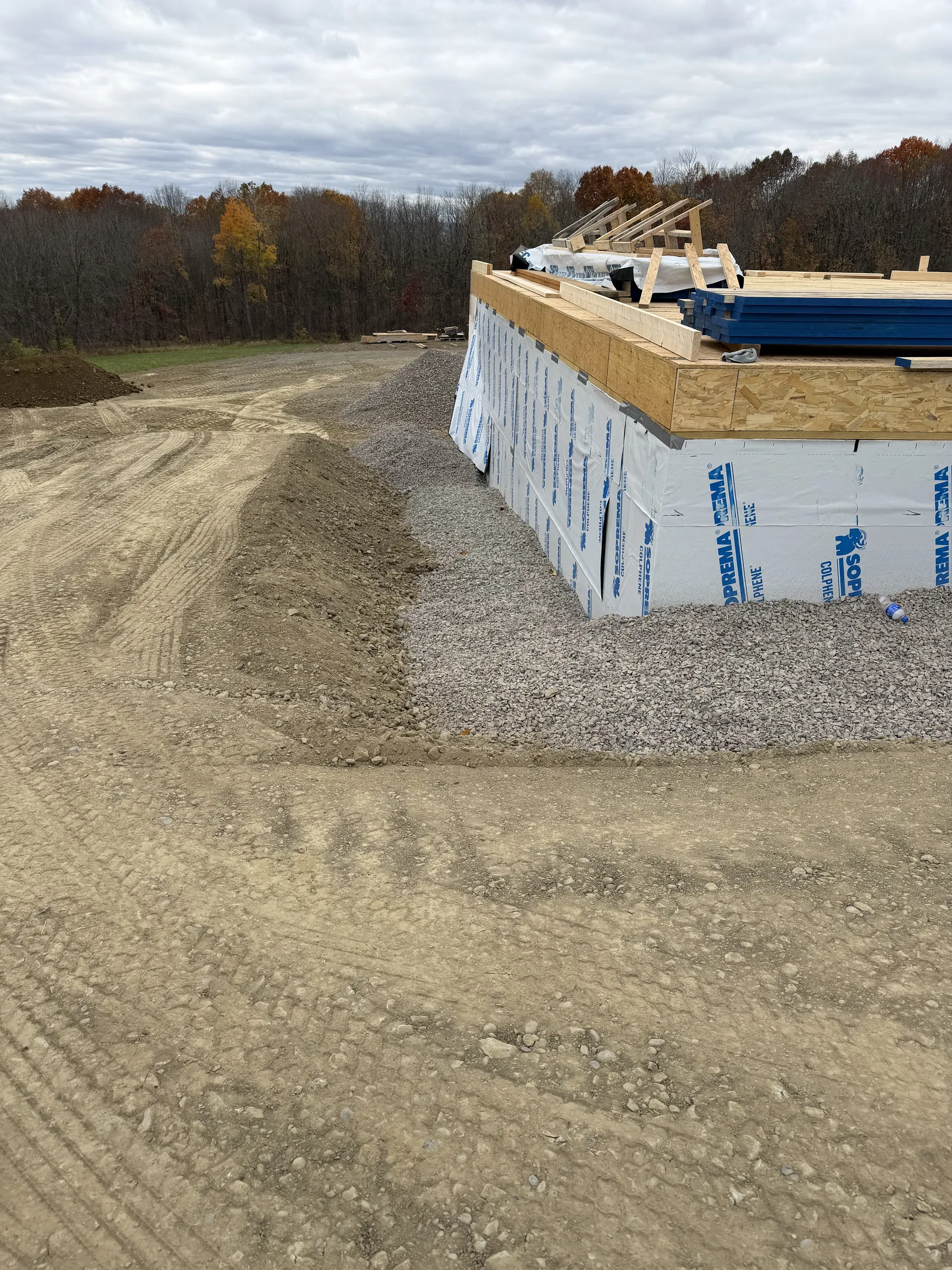
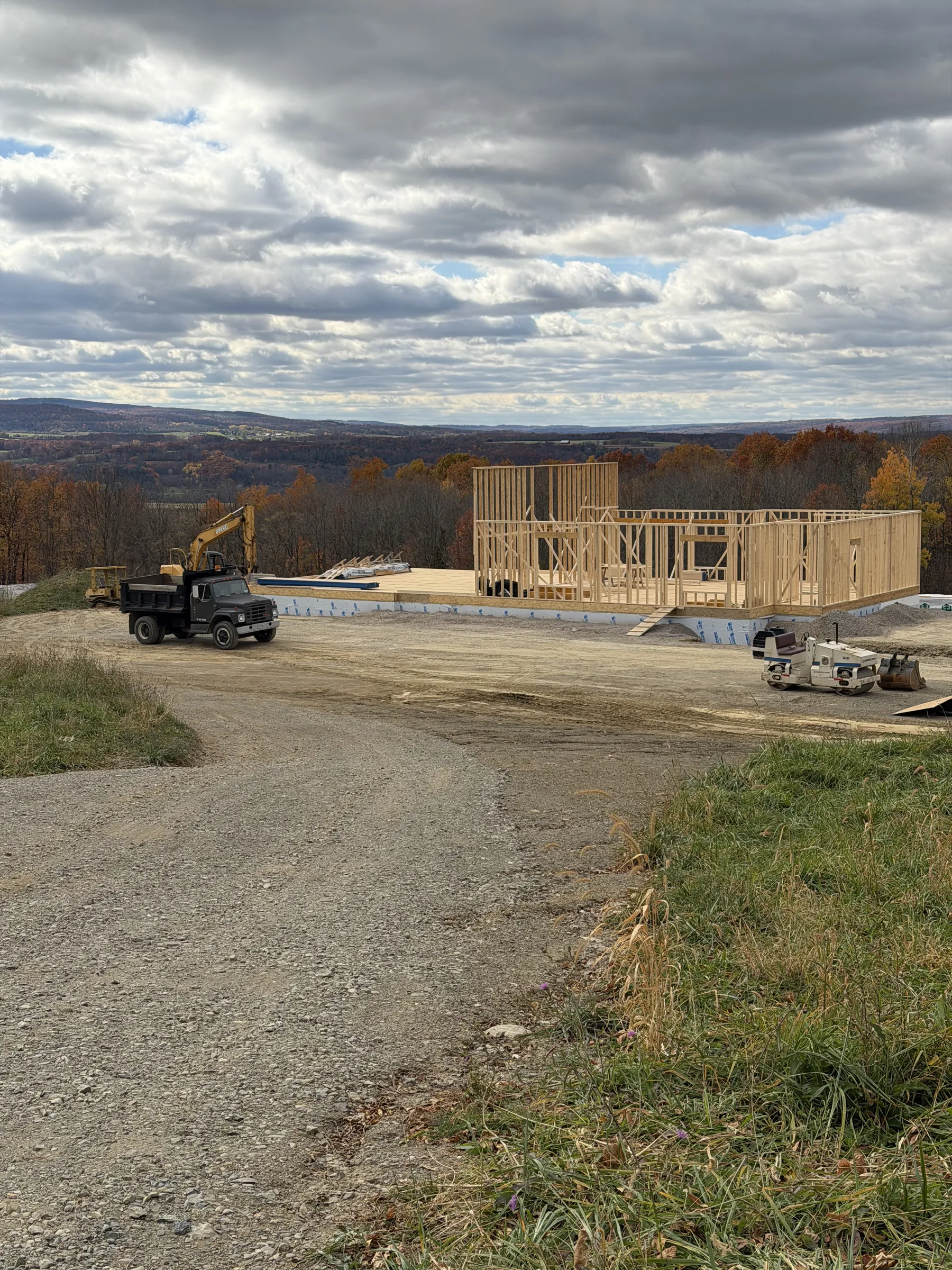
One of our own projects, a hilltop site and foundation for a new home, is a good example of how much of a build depends on the dirt work done first.
Local Ground Conditions That Shape the Job
Clay near the lake. Closer to Lake Ontario, in towns like Greece, Parma, Hamlin, and Webster, the soil is often dense clay and silt. It holds water, drains slowly, and turns soft when wet. Foundations here need good drainage planning and careful backfill so water is carried away from the walls instead of sitting against them.
Glacial till and drumlins. South and east of the city, much of the ground is stony till with cobbles and boulders mixed in. Drumlins, the long rounded hills common around Pittsford, Mendon, Perinton, and Victor, can mean sloped lots, cuts and fills, and plenty of rock to sort out of the backfill.
Shallow bedrock. In parts of the region limestone or dolostone sits close to the surface. If a dig hits ledge, the plan may need to change, and we talk through options with you before going further.
Frost and freeze-thaw. Our long winters drive frost deep into the ground, and repeated freeze-thaw cycles will heave anything that is not built below frost. Footings need to sit on undisturbed soil at the depth your plans and local code require, which in this area is roughly four feet or more. Your building department sets the exact number.
Seasonal Timing in Monroe County
Excavation can happen much of the year here, but the seasons matter:
- Spring thaw brings saturated ground and mud. Clay sites can be very hard to work until they dry out, and rushing in can rut the site and soften the subgrade.
- Summer and early fall are usually the most productive months for digging and backfilling.
- Late fall is a race to get foundations in and backfilled before the ground freezes and lake-effect snow arrives.
- Winter work is possible on some jobs, but frozen ground and snow add time and effort, and frozen material should never go back in as backfill.
If you are planning a spring build, it pays to talk with us in the winter so the site is ready when conditions allow.
Permits and Approvals to Check
Every town around Rochester handles this a little differently, so check with your town building department before work begins. Common items include:
- A building permit for the structure, which usually covers the foundation.
- Site plan or grading approval, especially on larger lots or in subdivisions.
- Erosion and sediment control requirements when a larger area is disturbed.
- Wetland or stream setbacks, which can involve NYS DEC Region 8 if regulated areas are nearby.
- A utility locate through Dig Safely New York (811), with notice generally at least two full working days before digging, not counting weekends and holidays.
Our post on calling 811 and preparing your property covers that last step in more detail.
How to Prepare for Your Excavation
A little preparation keeps the job moving:
- Have your site plan or builder layout ready, with the house corners staked.
- Know where your water, sewer or septic, and power will come from.
- Clear a path for equipment access and point out soft spots, septic systems, or anything buried we should avoid.
- Decide what you want done with topsoil and extra fill.
Our guides on site prep before a foundation and what to include in a site work quote request walk through these details.
What to Expect and How Grove Approaches It
Grove's founder spent years doing site work, land moving, and paving for other contractors before starting Grove. That experience shapes how we work:
- We walk the site first and look at the soil, slope, and drainage, not just the plan.
- We dig to the lines and depths on the plan and check grades as we go.
- We plan utilities alongside the foundation so trenches for water lines are not dug twice.
- We keep you informed if rock, groundwater, or buried debris changes what the job needs.
- We backfill and rough grade so water moves away from the building.
Many jobs start with land clearing and finish with a new driveway, and we can handle those pieces too.
Serving Rochester and Surrounding Towns
We provide site work and excavation in Rochester and across Monroe County, including Henrietta, Chili, Gates, Greece, Ogden, Penfield, Pittsford, Perinton, Webster, Mendon, and Rush. We also work in nearby towns such as Victor, Farmington, Macedon, Avon, and Caledonia. See our full service area, browse our projects, or contact us to talk about your site.
The Process
-
Step 1
Review the Plan
We look at your site plan or builder layout, the staked corners, and how equipment gets in.
-
Step 2
Clear and Strip
Trees, brush, and topsoil come off the building area. Topsoil is saved for final grading.
-
Step 3
Dig to Grade
The foundation and footings are excavated to the depths and dimensions on the plan.
-
Step 4
Backfill and Grade
Once the foundation is in, we backfill and rough grade so water drains away from the building.
On the Job
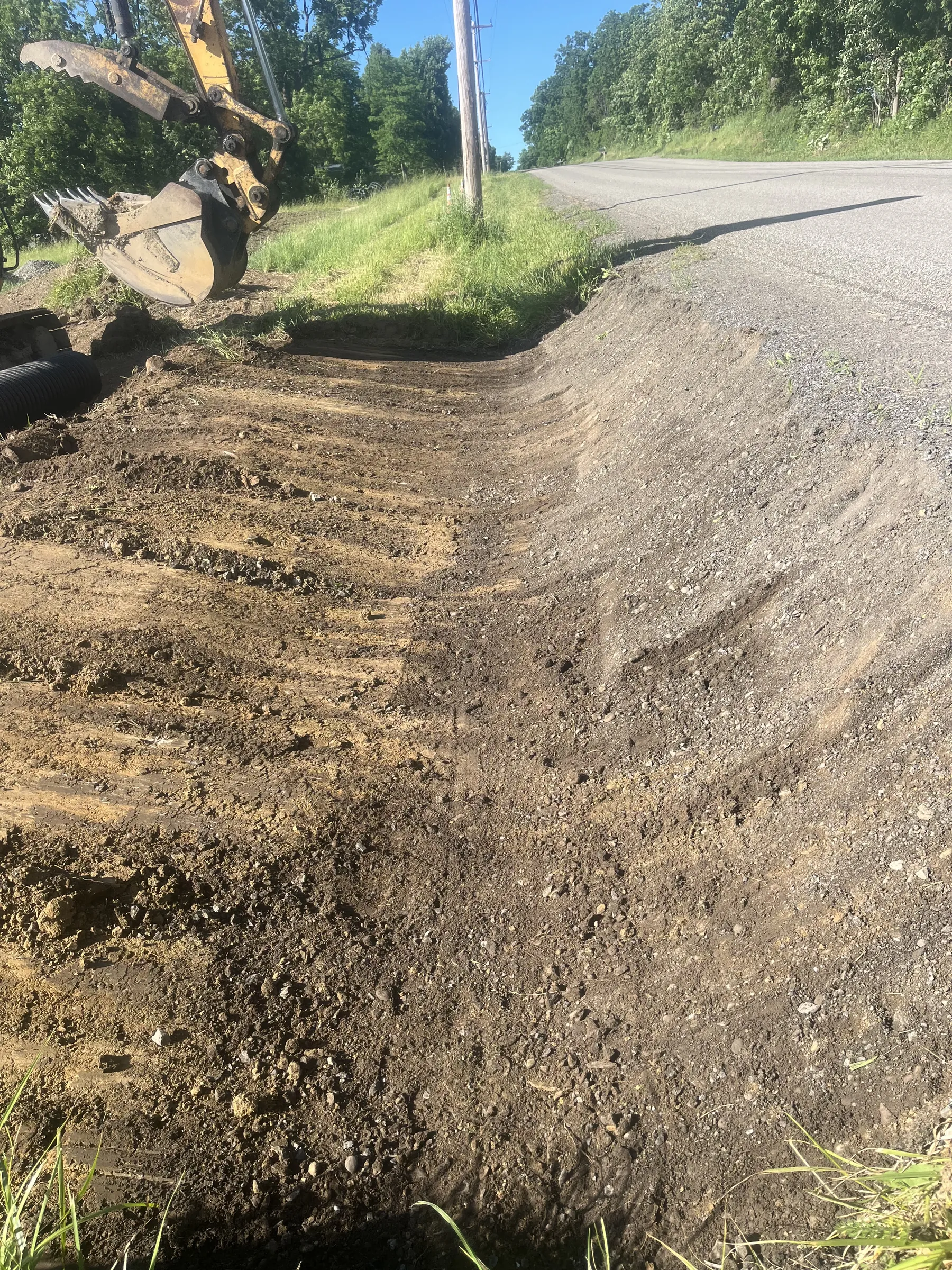
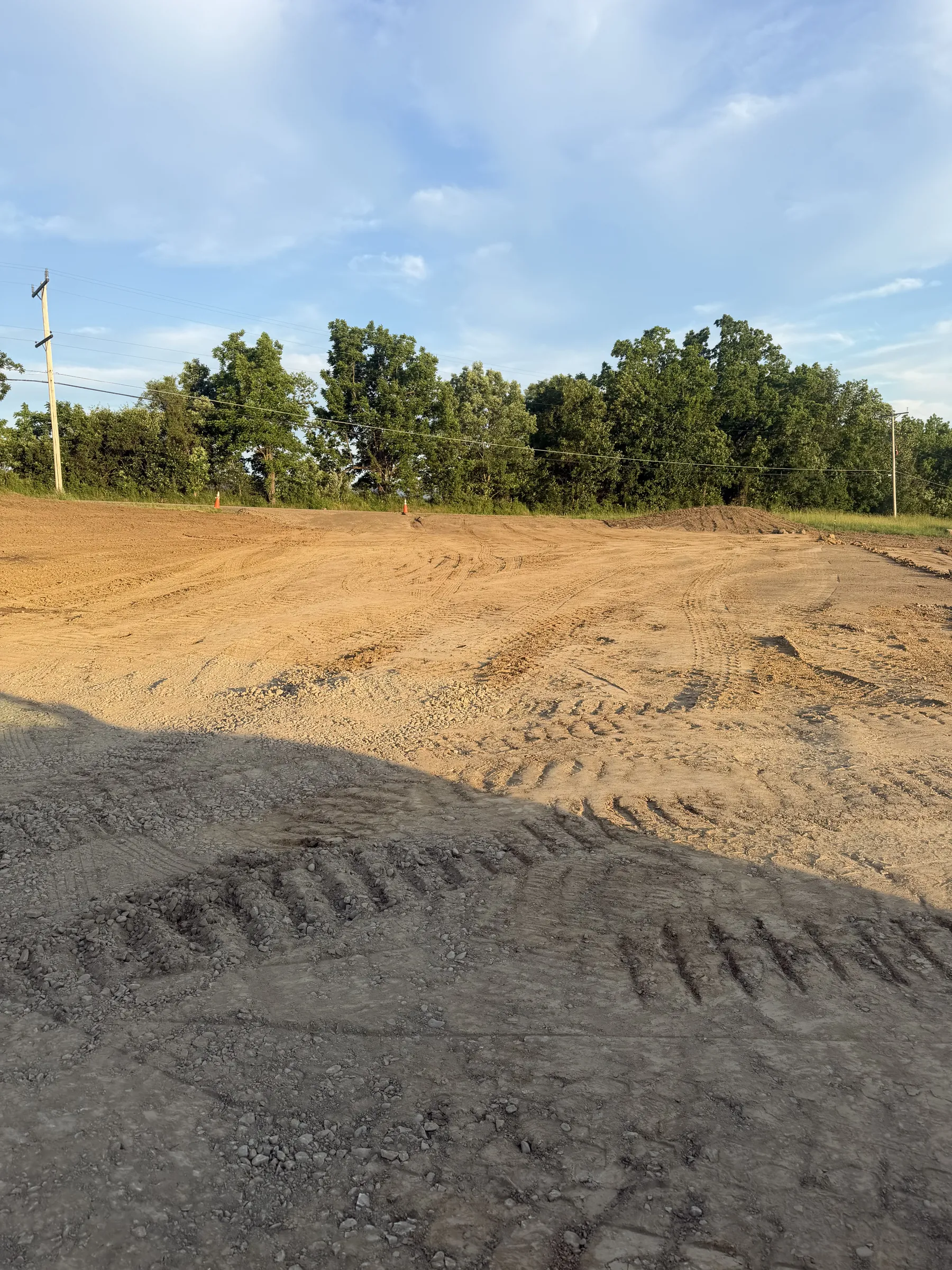
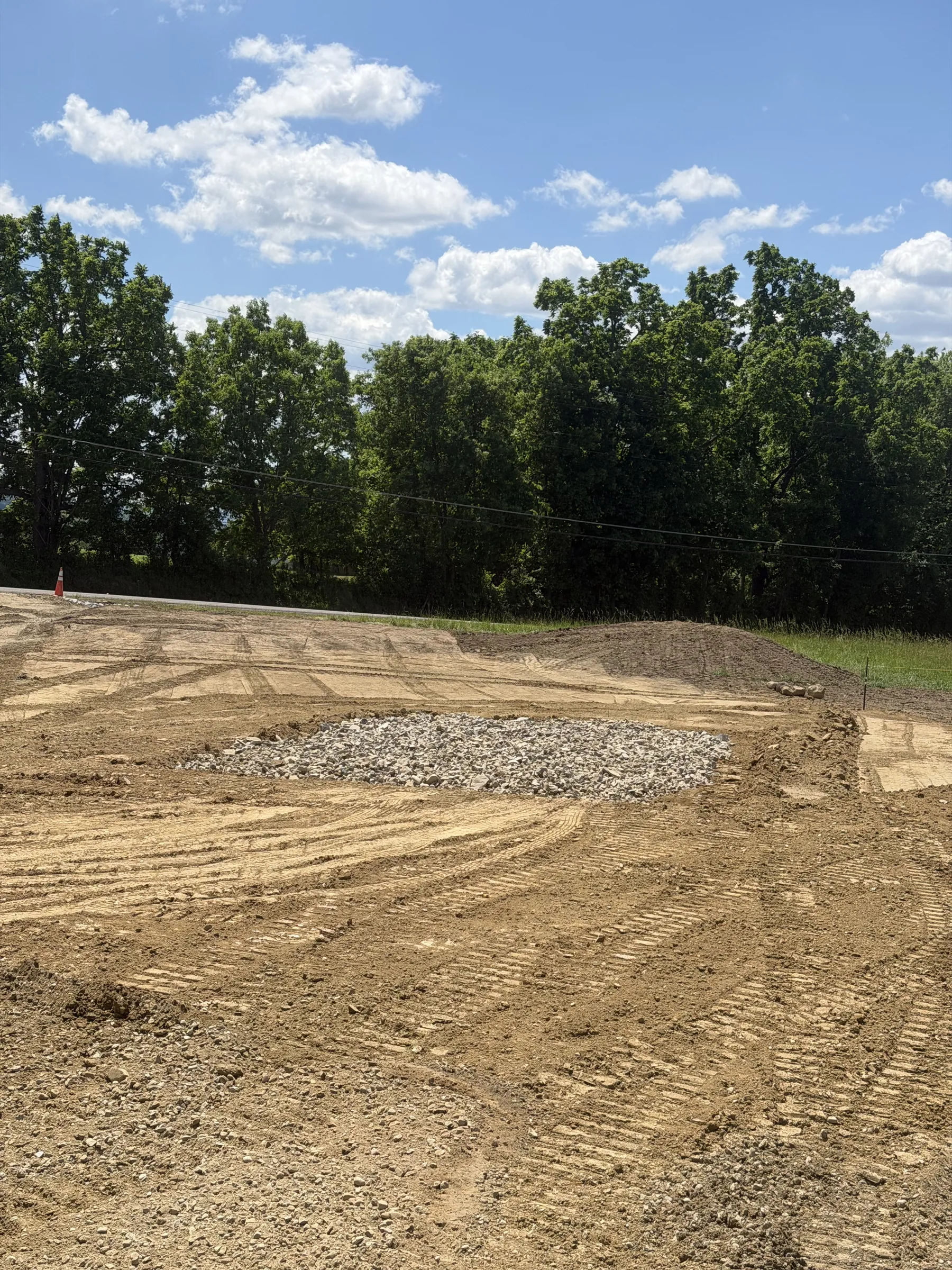
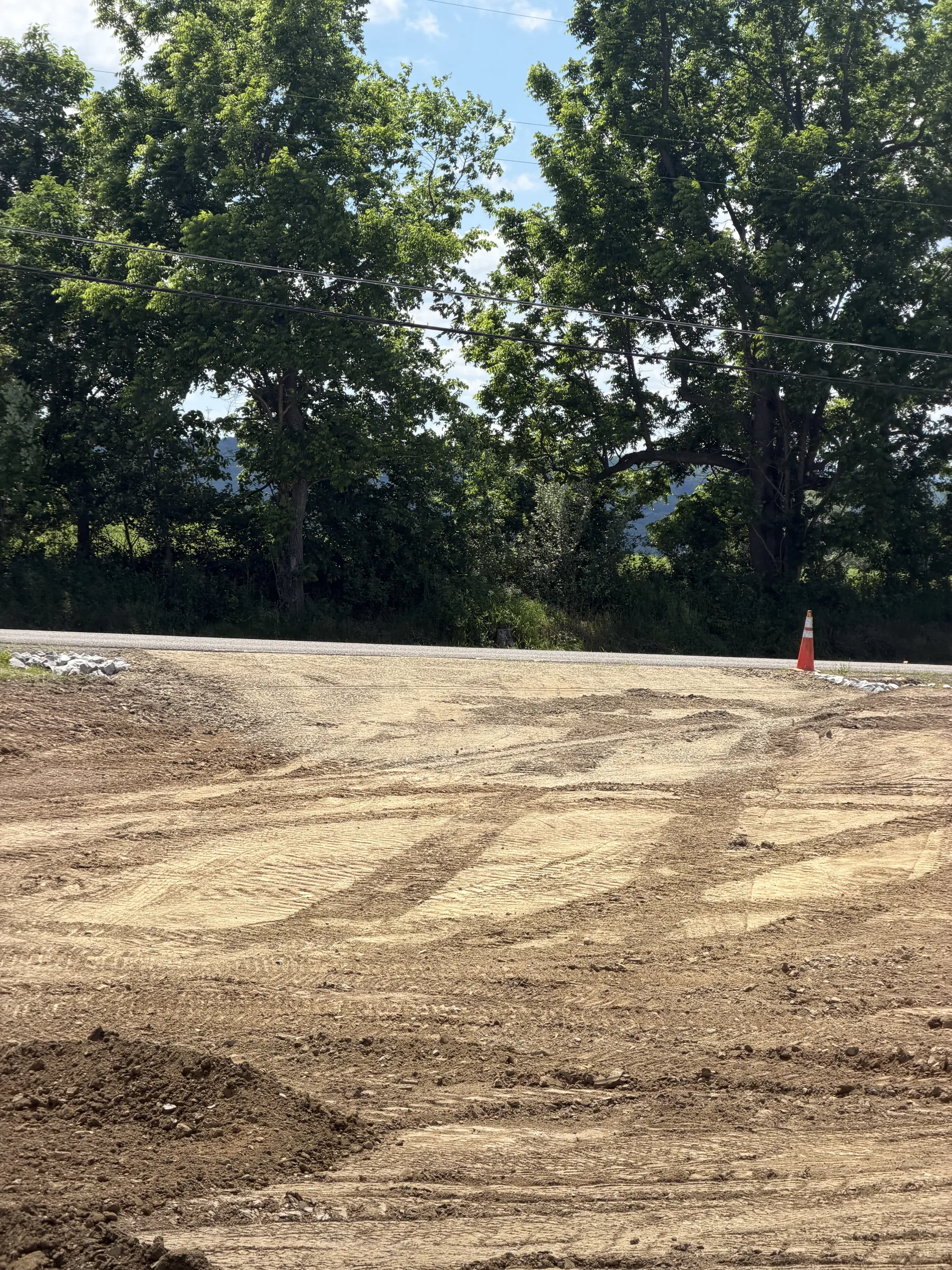
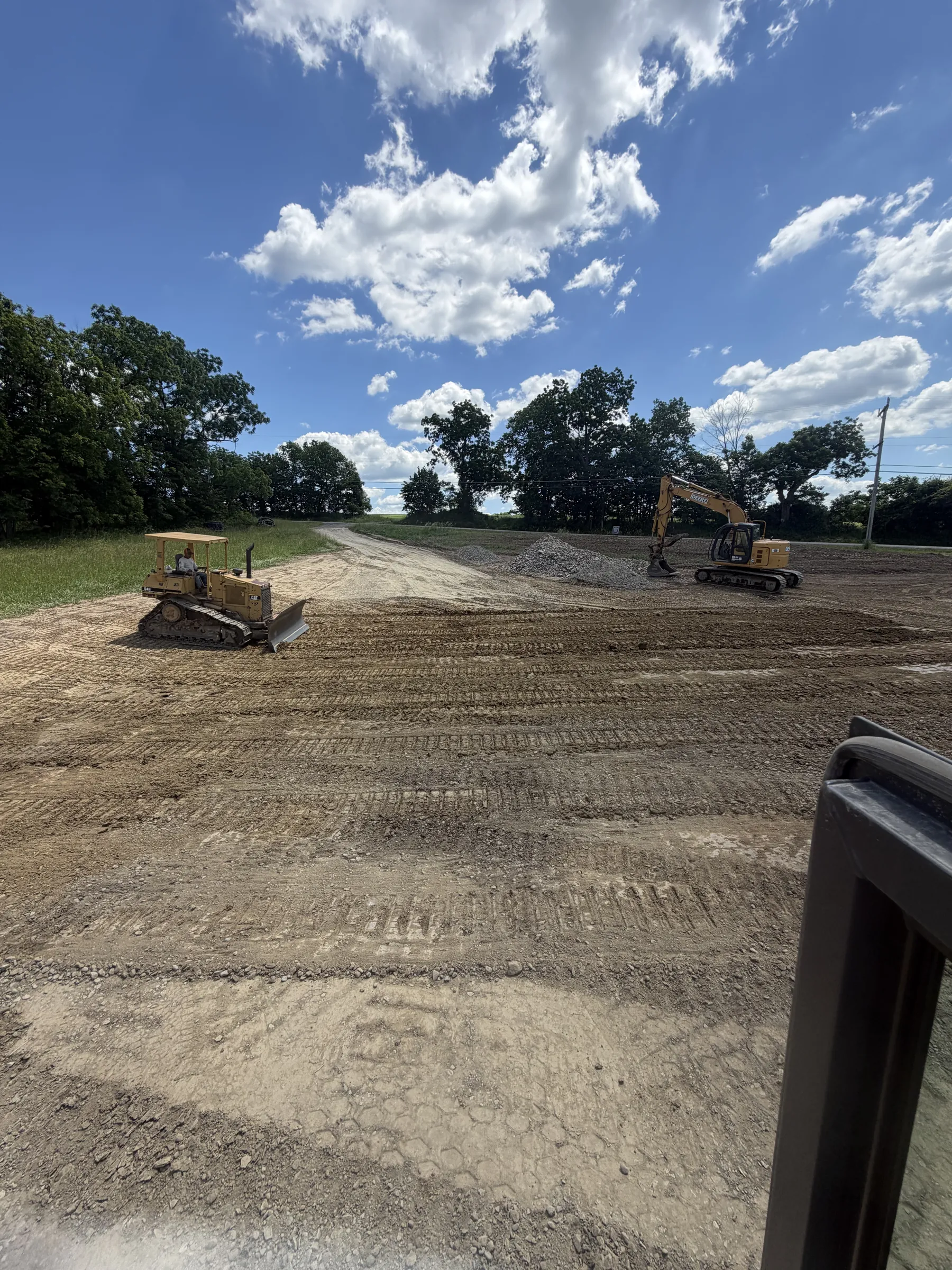
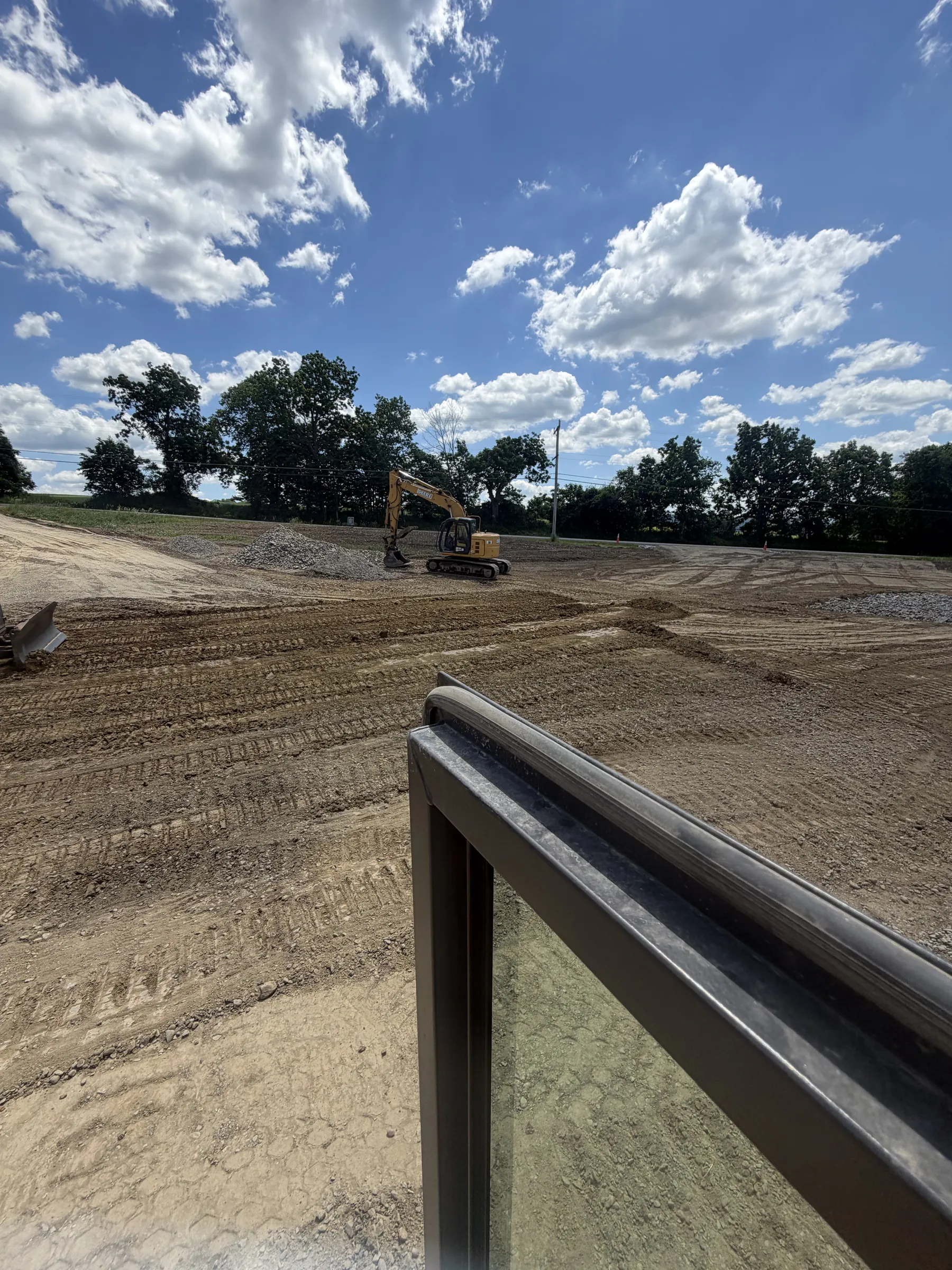
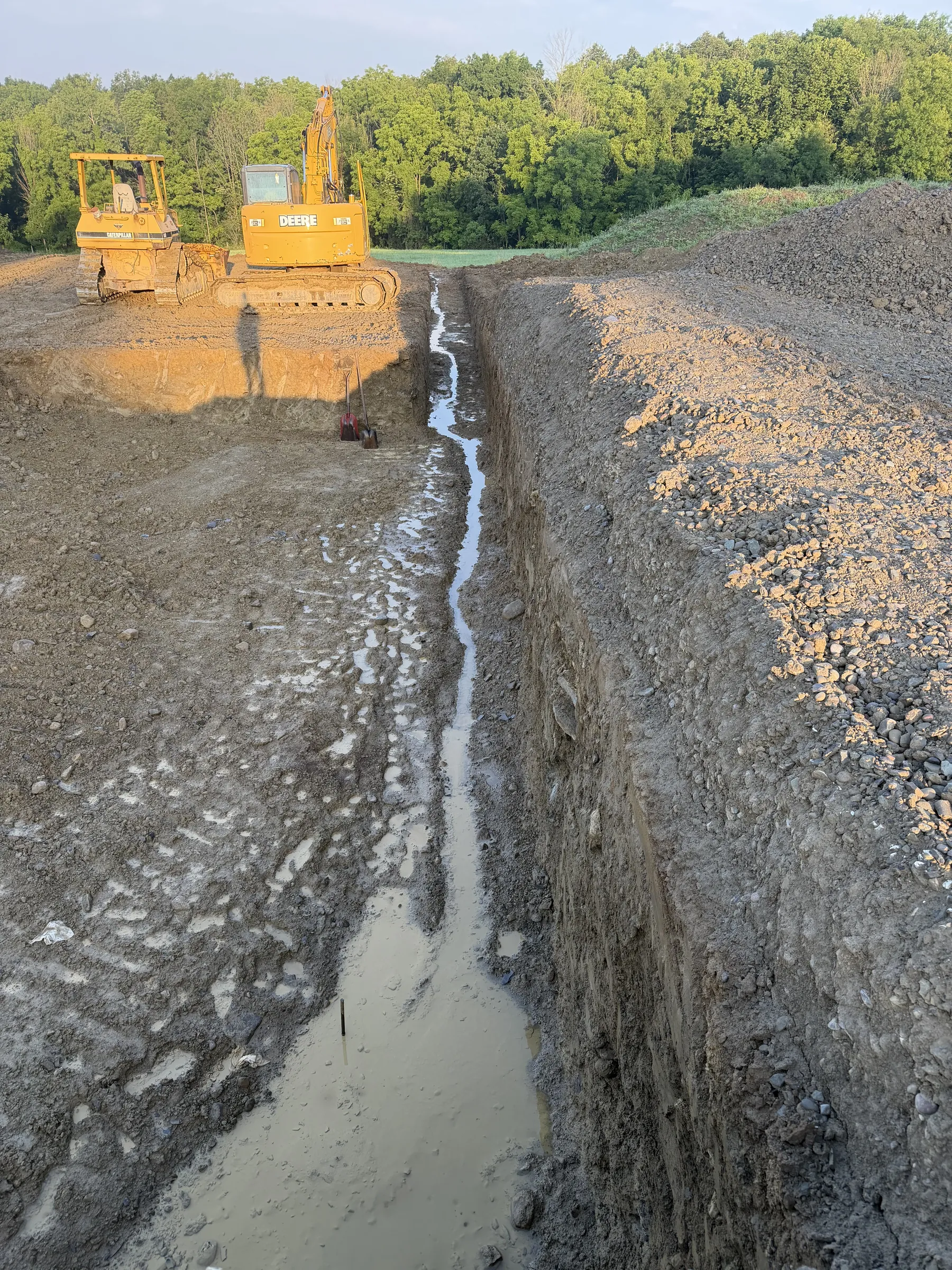
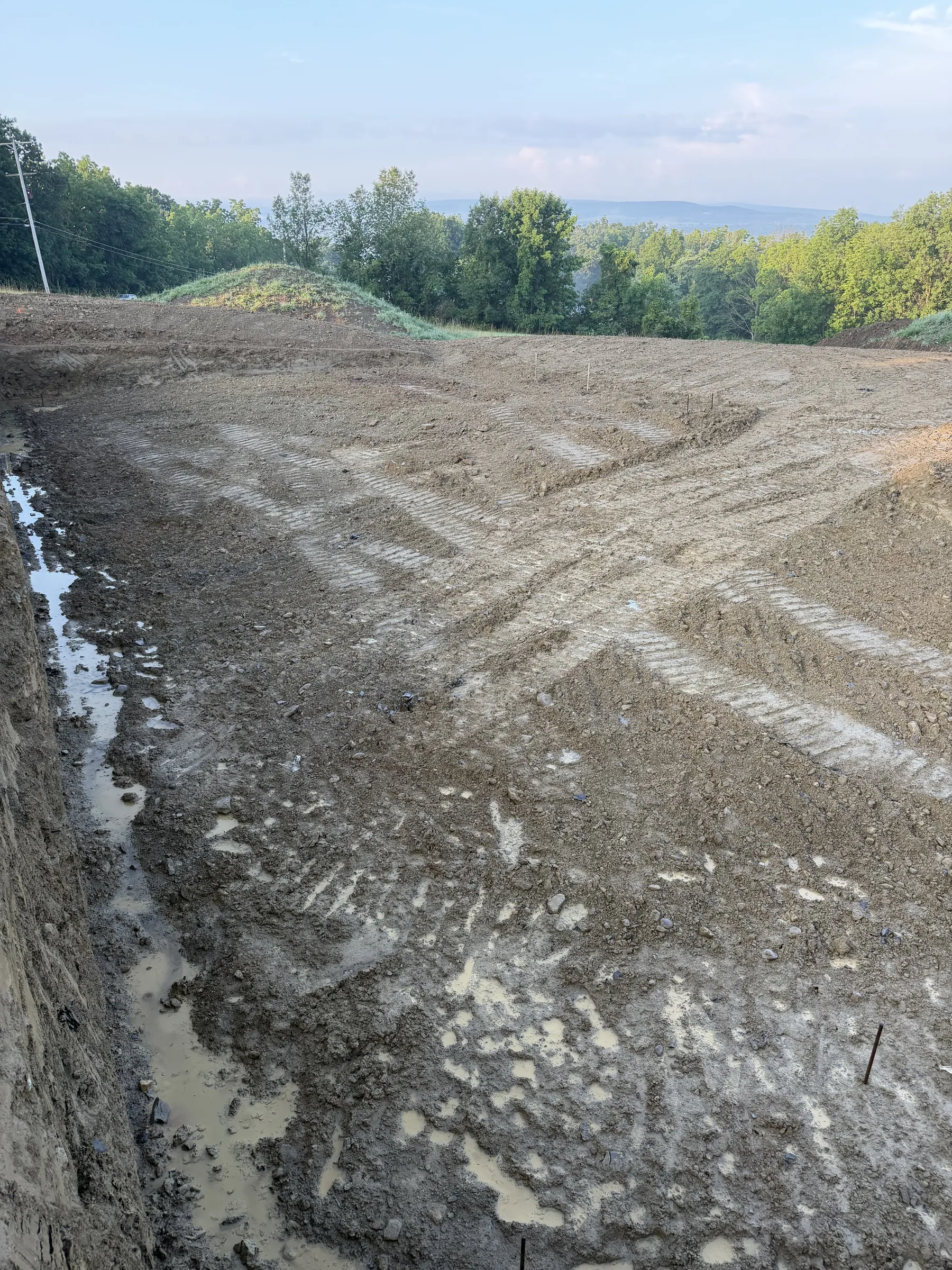
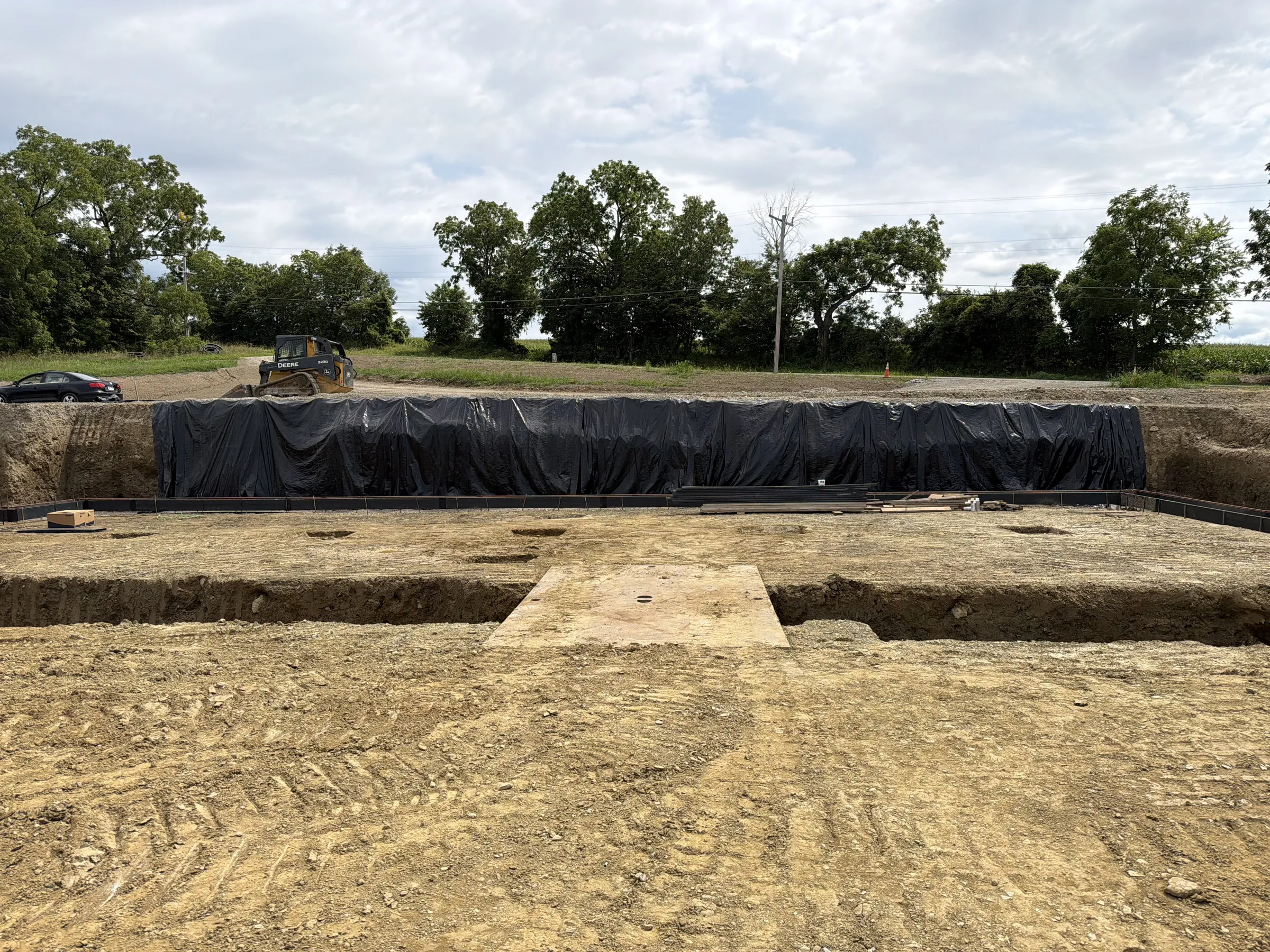
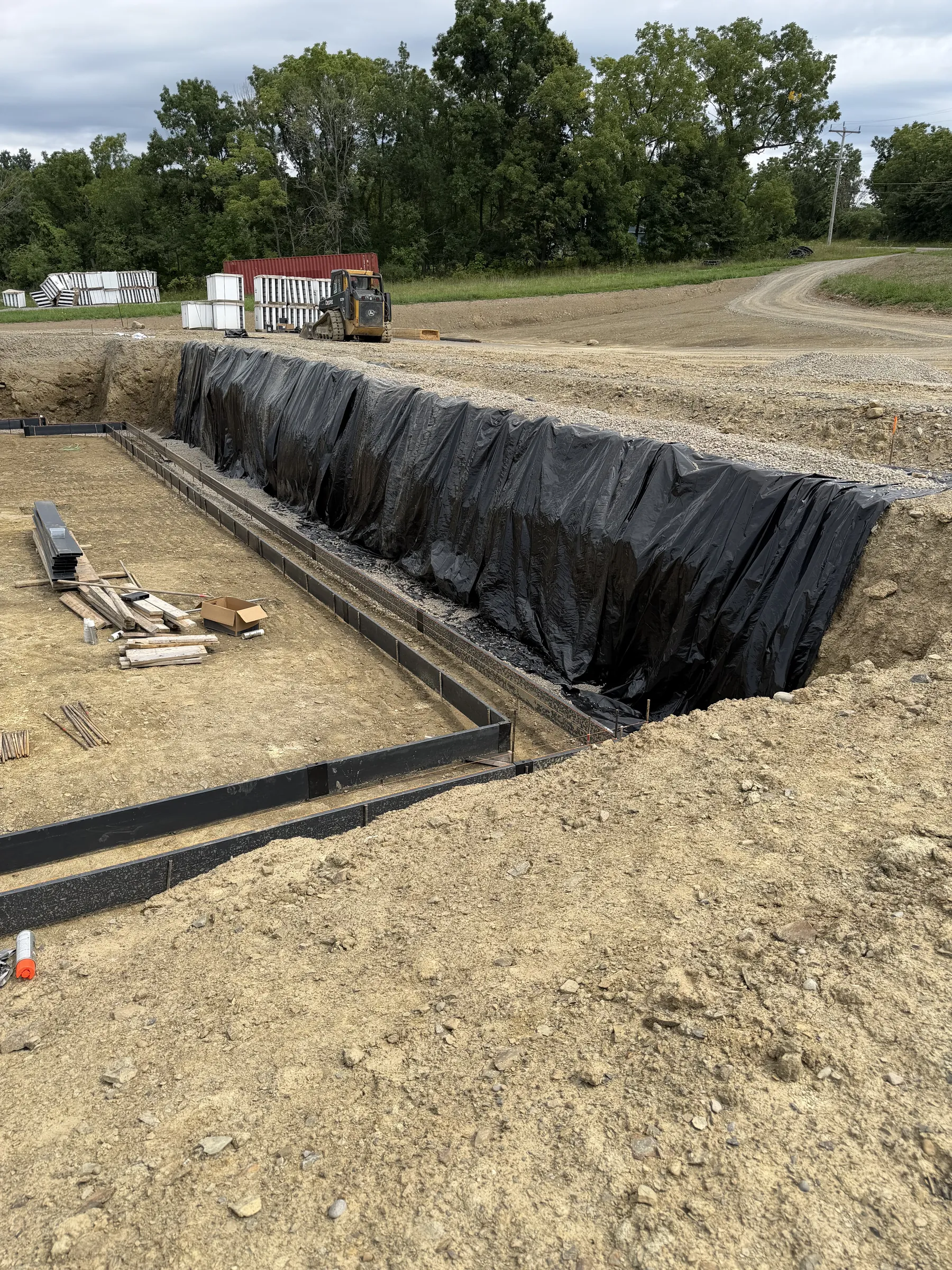
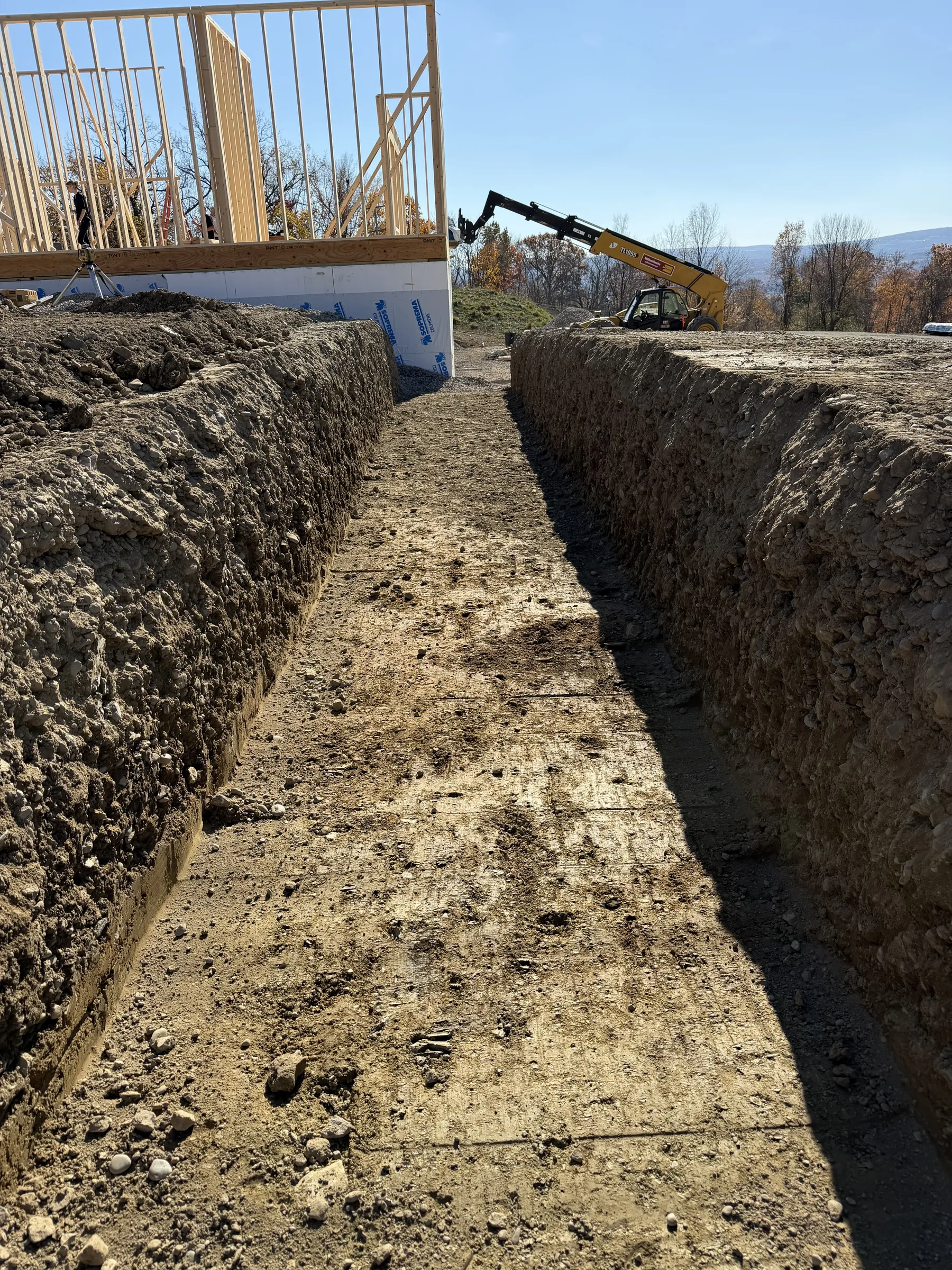
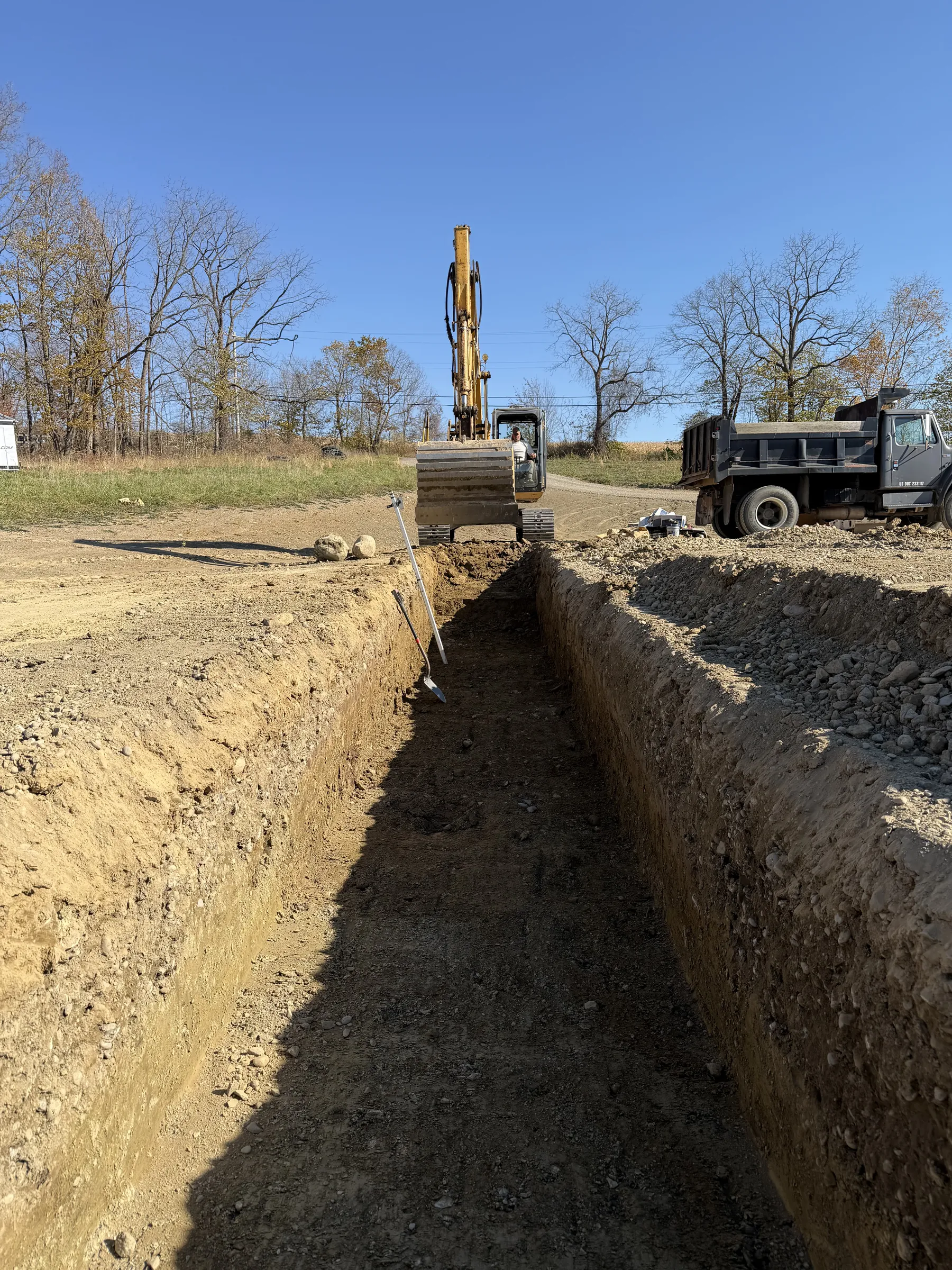
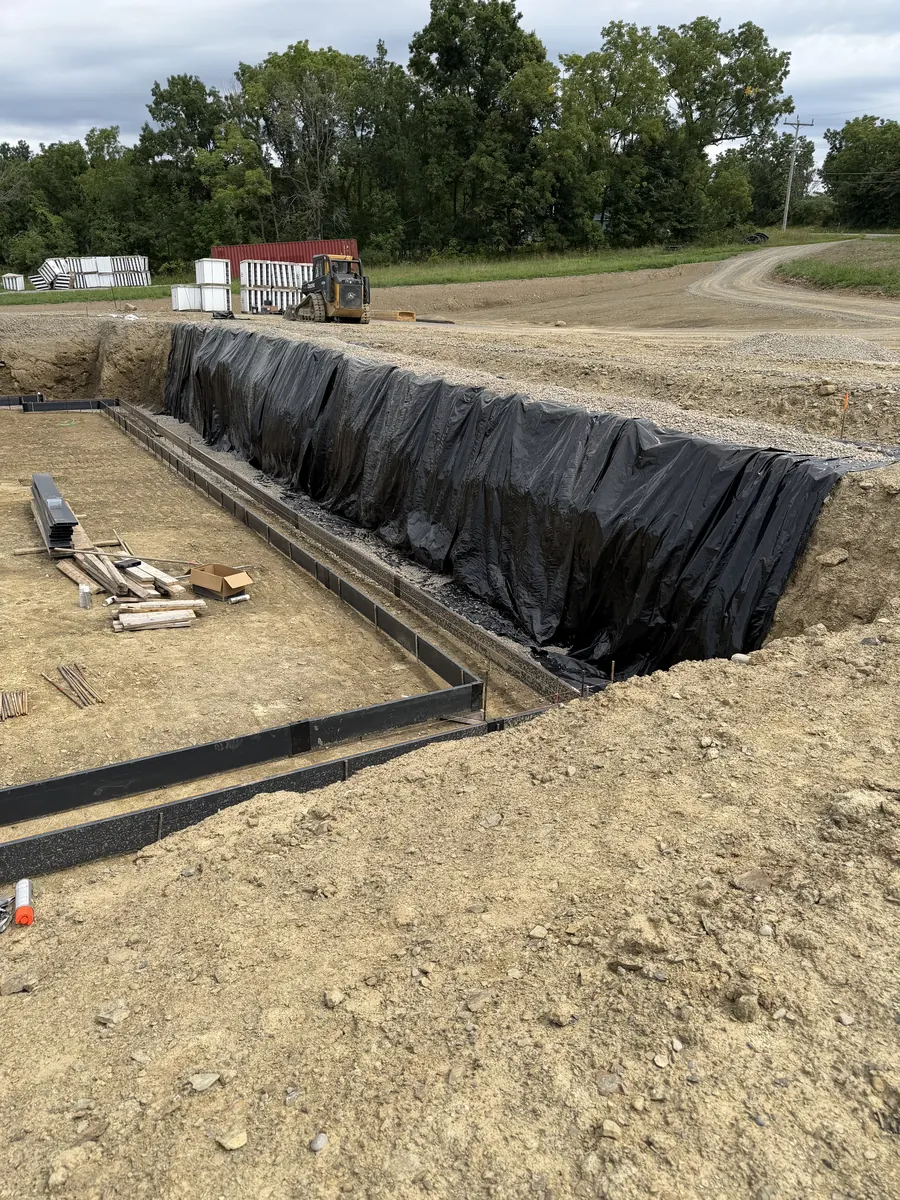
Site preparation and excavation for a new build: leveling the lot, digging the foundation, and trenching around the structure as framing went up.
Need Site Work and Excavation?
Send the location and a few photos of the site and we will get back to you.
Common Questions
Do not see your question here? Ask us directly when you send your project details.
Ask a Question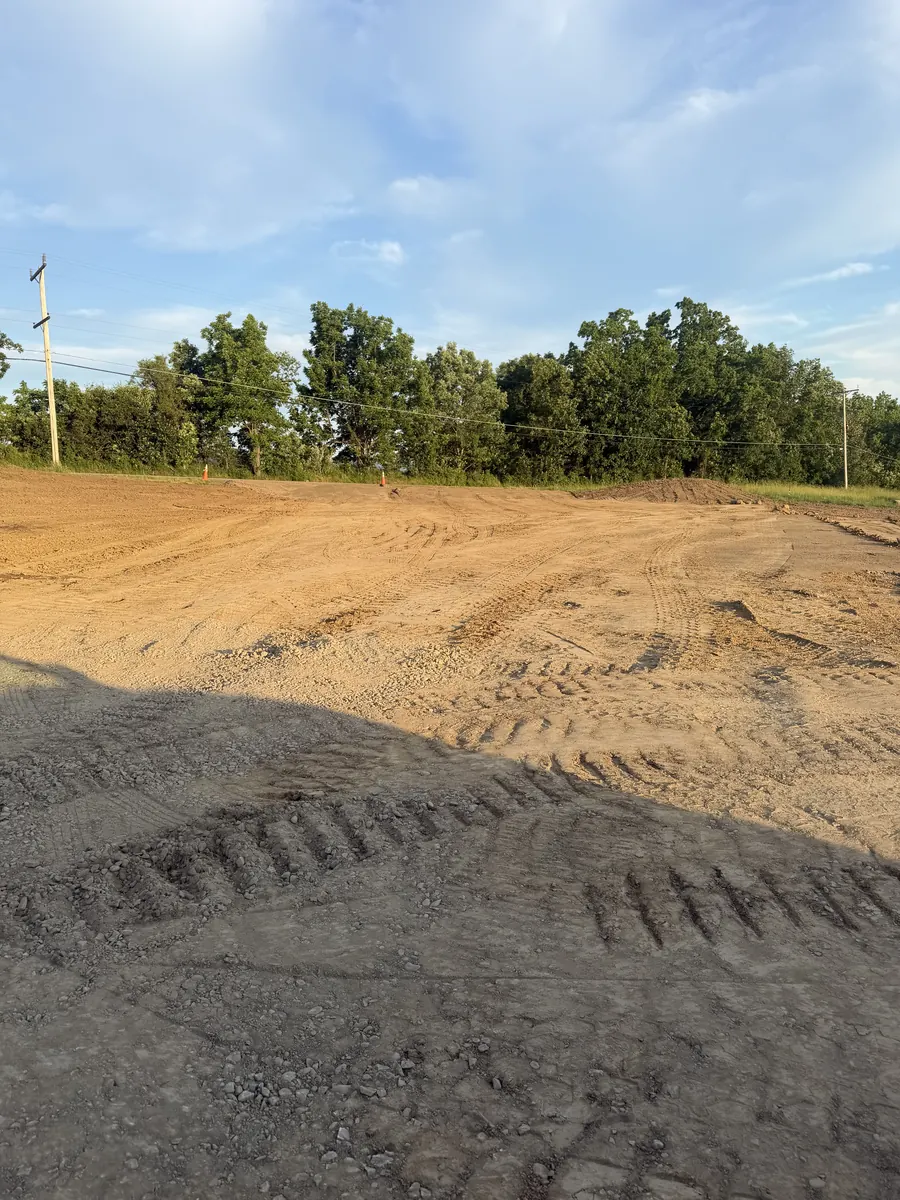
Do you work from a builder or architect plan?
Yes. Foundation excavation follows the dimensions and depths on your site plan or the layout your builder provides. If you do not have a plan yet, we can talk through what the site will need.
What happens to the topsoil and extra dirt?
Topsoil is typically stripped and stockpiled for final grading. Excess material can be spread on site where it makes sense or hauled away. We will agree on the plan before work starts.
What if you hit rock or water?
Ledge rock, groundwater, and buried debris turn up from time to time. If conditions change what the job needs, we talk it through with you before going further.
Who calls in the utility locate?
Underground utilities have to be marked before digging. We confirm the locate is in place before excavation begins.
How deep do footings need to be in the Rochester area?
Footings have to sit below the frost line, which around Rochester is roughly four feet or more. Your town building department and the plans for your building set the exact requirement, and we dig to that depth on undisturbed soil.
Is clay soil a problem for foundations near Lake Ontario?
Clay is common closer to the lake and it is workable, but it drains slowly and softens when wet. That puts more weight on foundation drainage, careful backfill, and grading that moves water away from the building.
Can you dig a foundation during a Rochester winter?
Sometimes. Frozen ground and snow slow the work, and frozen material cannot be used as backfill. Many owners plan to dig in late spring through fall, but we can talk through winter timing for your specific site.
Do I need a permit for a garage or pole barn foundation in Monroe County?
Most towns require a building permit for garages, additions, and barns, and some have site plan or setback rules. Check with your town building department before scheduling excavation.
Helpful Reading
Site Prep Before a Foundation in Rochester, NY: The Steps That Matter
A foundation is only as good as the ground under it. Here is what happens between a staked-out lot and the day the footings go in, and what Rochester-area clay, rock, and frost mean for your dig.
June 10, 2026 · 8 Min Read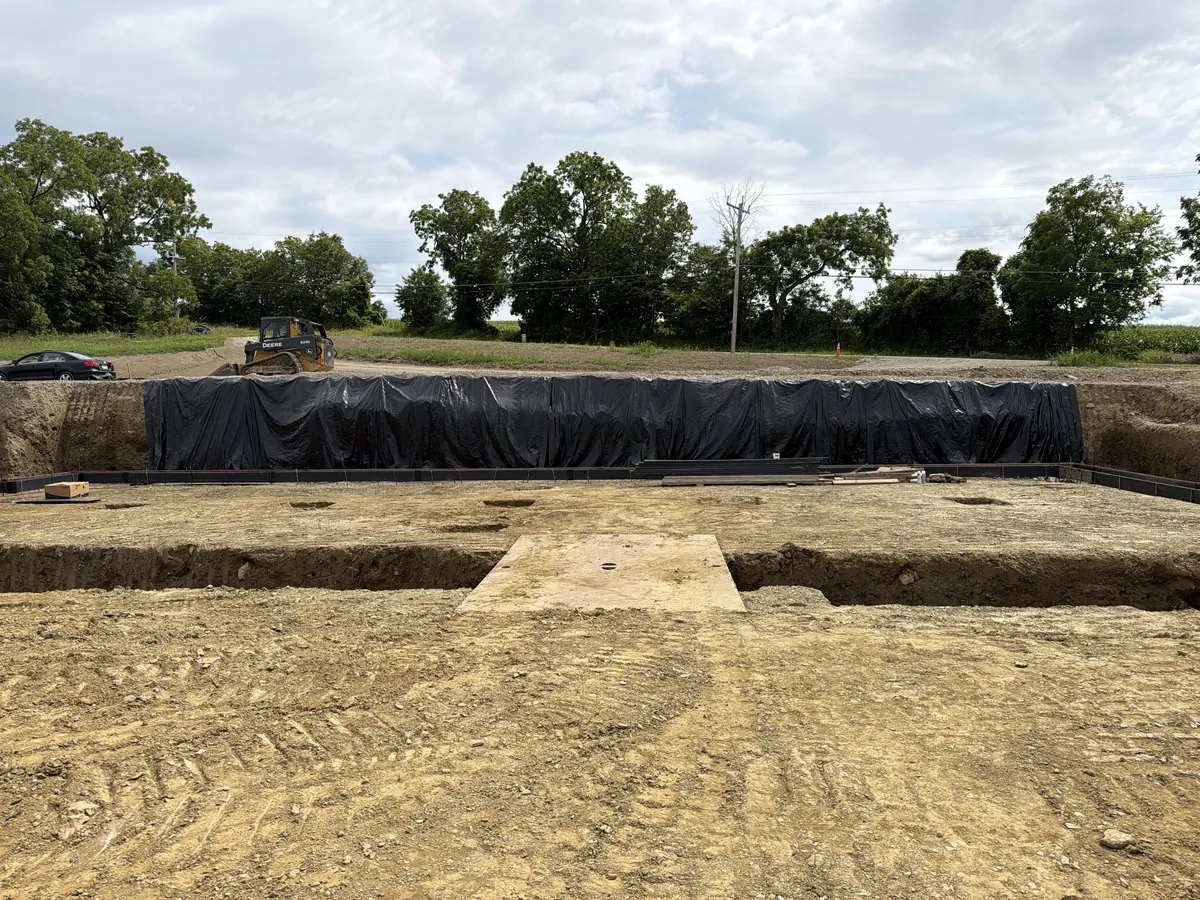
Questions to Ask Before Hiring an Excavation Contractor in Rochester, NY
The ground work sets up everything that comes after it. Here are the questions Rochester-area homeowners, farmers, and builders should ask before hiring someone to dig, clear, grade, or run utilities on their property.
January 14, 2026 · 7 Min Read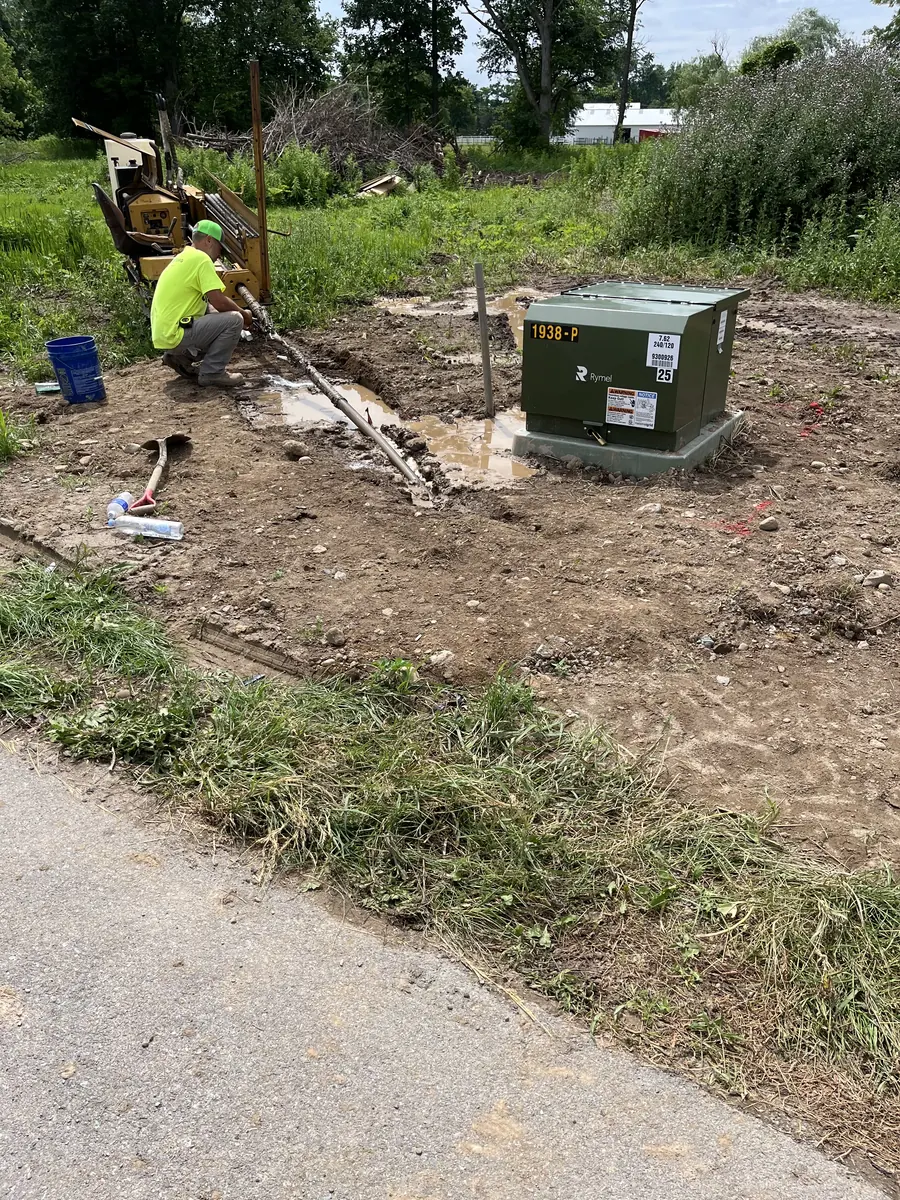
Before You Dig in Rochester, NY: Calling 811 and Preparing Your Property
Every excavation job starts with knowing what is already underground. Here is how utility locates work through Dig Safely New York in the Rochester area, what 811 does not mark, and how to get your property ready for equipment.
March 18, 2026 · 6 Min ReadOften Done Together
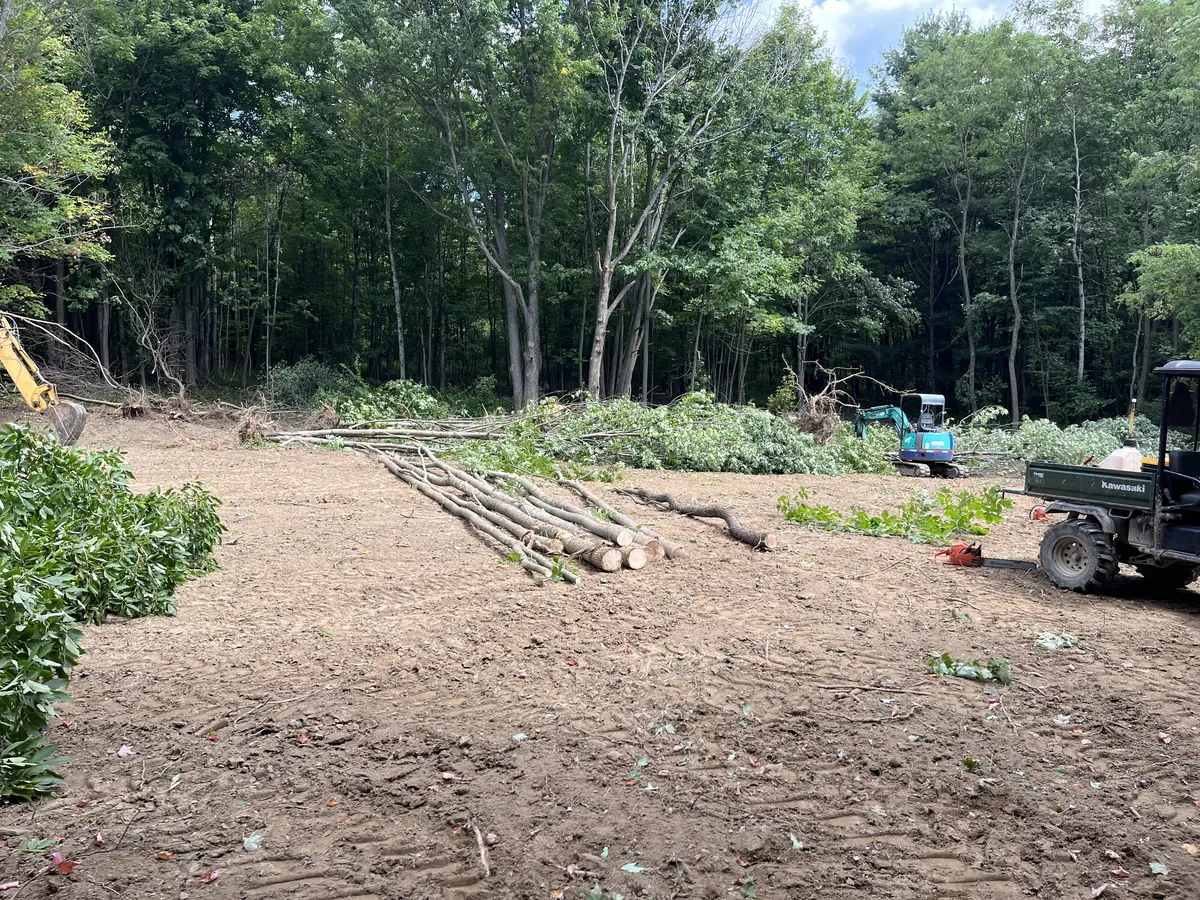
Land Clearing
Trees, brush, and stumps cleared to open up a lot for building, driveways, or a pond.
Learn More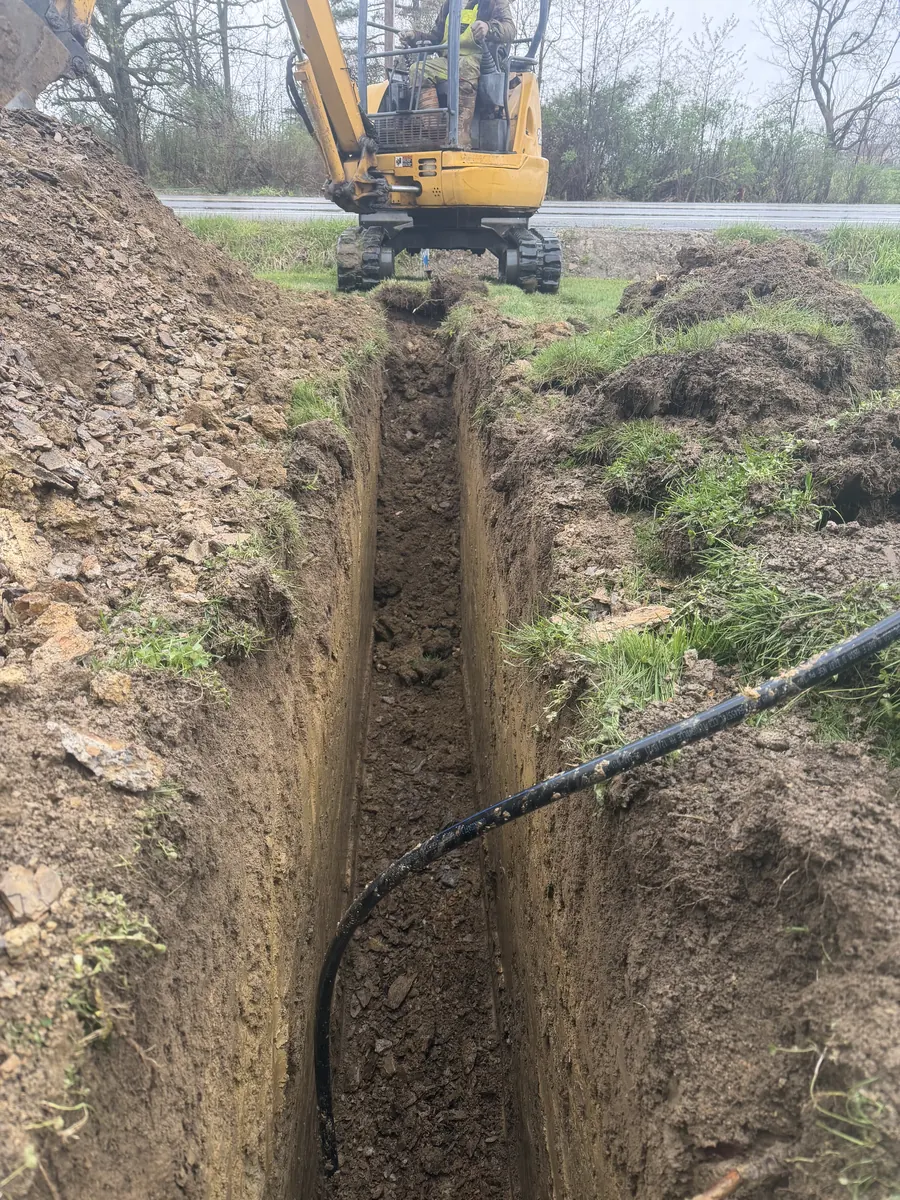
Water and Utility Lines
Water service lines trenched to depth and installed from the source to the building.
Learn More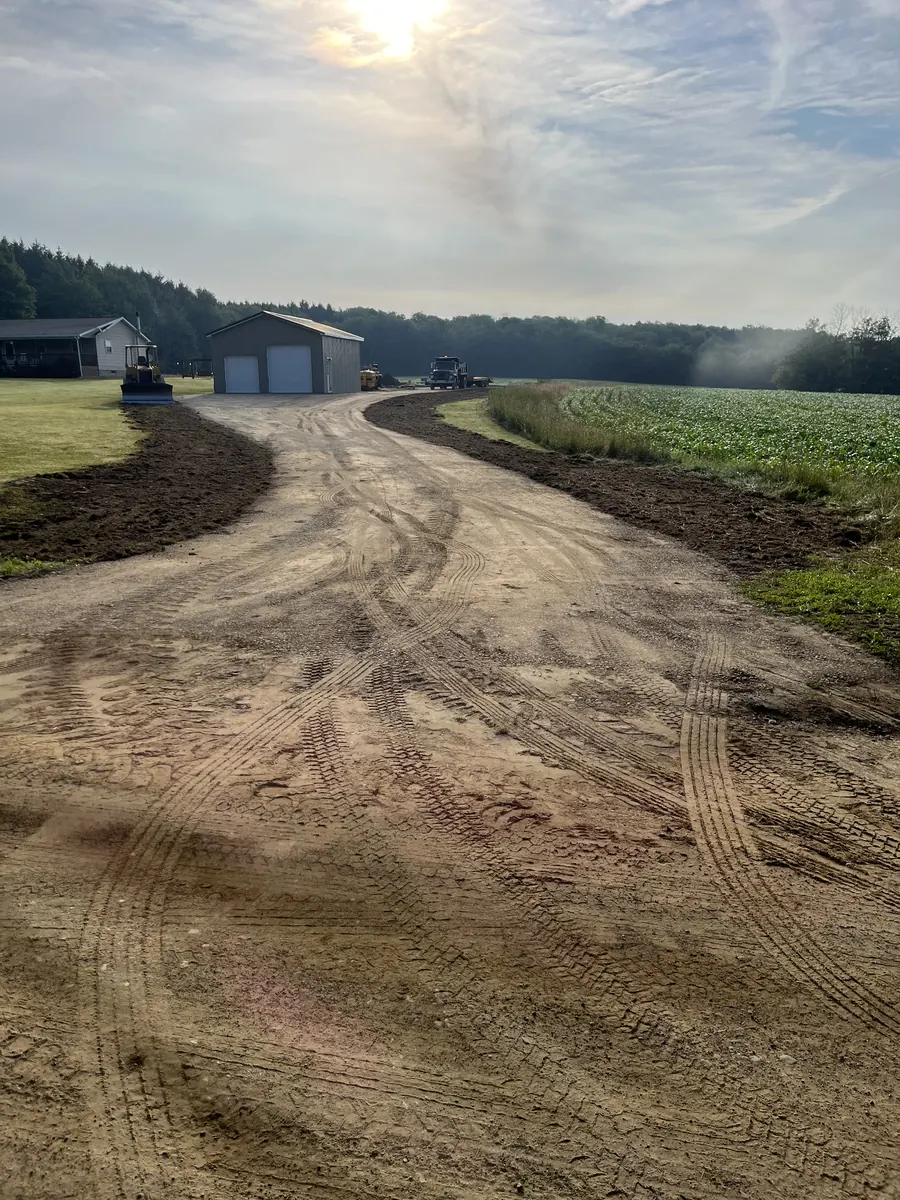
Driveways and Paving
New gravel driveways and paving, graded and built to drain.
Learn More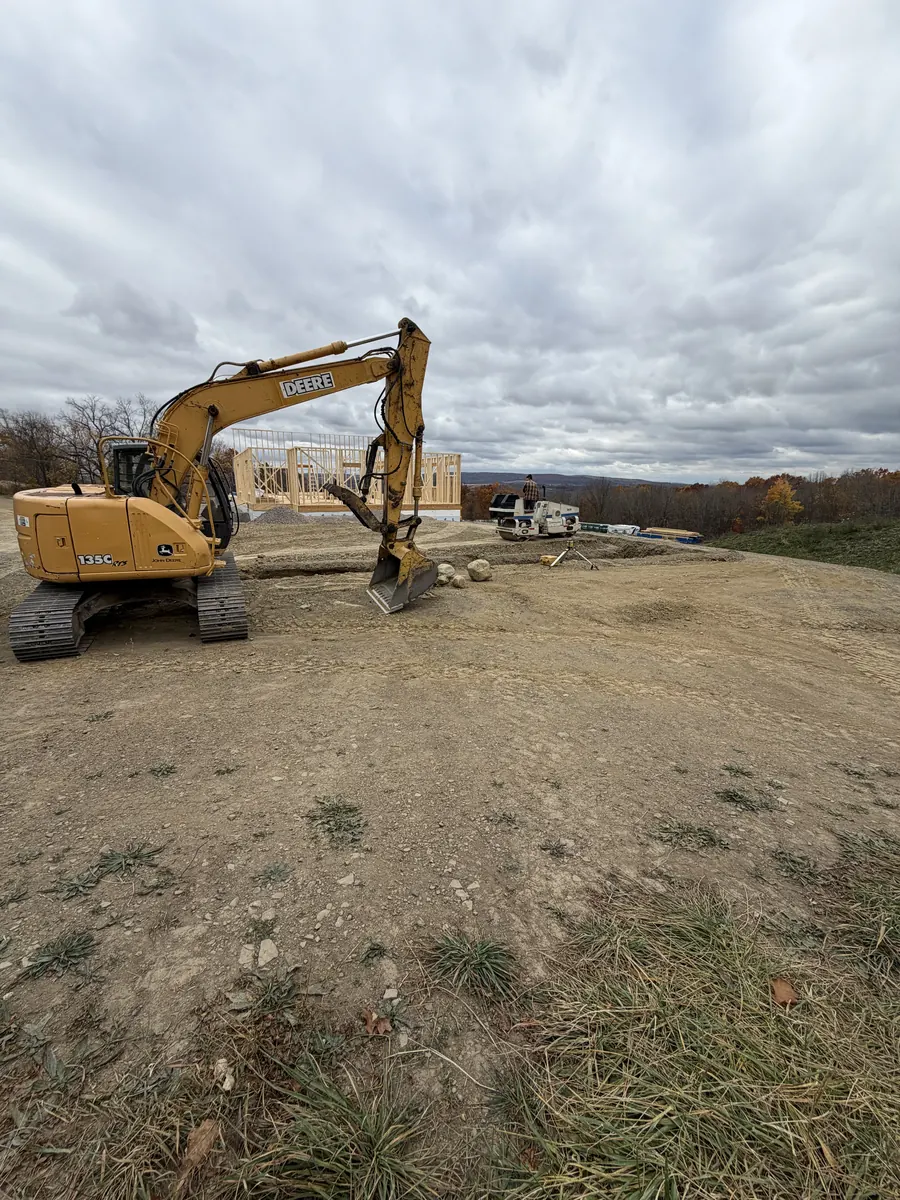
Got Ground That Needs Work?
Send us the location, what you need done, and a few photos. We will get back to you to talk it through.
Request a Quote