
From Overgrown to Ready to Build
Wooded and overgrown land has a lot of potential, but it has to be opened up before anything else can happen. Land clearing turns standing timber and brush into ground you can actually use.
Grove clears trees, brush, and stumps for house sites, driveways, ponds, and open space. We work to the limits you set, save the trees you want kept, and leave the site ready for excavation or whatever comes next.
Land Clearing Services
Hire us for one piece of the job or all of it. Pick what your project needs.
Tree Removal
Standing trees taken down within the clearing area, with usable logs separated from tops and brush.
Brush and Undergrowth
Brush, saplings, and overgrowth cleared out so the ground underneath can be seen and worked.
Stump Removal
Stumps pulled roots and all in building and driveway areas, where buried organic material would rot and settle.
Debris Handling
Brush piled, logs stacked for firewood, or material hauled away, depending on what you want.
Selective Clearing
Trees you want to keep for shade, privacy, or looks are flagged and worked around.
Site Cleanup
Rough ground cleaned up and left ready for excavation, grading, or the next phase.
Land Clearing in Rochester, NY
A lot of the open land left around Rochester is wooded, overgrown, or grown back from old farm fields. Hedgerows, second-growth hardwoods, thick brush, and old fence lines are common on rural parcels from Hamlin to Rush. Before you can build, put in a driveway, dig a pond, or reclaim a field, that ground has to be opened up.
We clear land with the next step in mind, because clearing is rarely the end of the job. It is the start of a house site, a pond, or a usable field.
Who Needs Land Clearing Locally
- Homeowners who bought a wooded lot and need a house site, driveway, and yard opened up.
- Builders who need a building envelope cleared and stumped before excavation.
- Farms and rural landowners reclaiming overgrown fields, widening lanes, or clearing grown-in fence rows.
- Property owners planning a pond or a large open area for a barn, garden, or outbuilding.
One of our projects started with clearing a wooded lot and then building a pond, which is a common pairing on rural land around here.
Local Conditions That Affect Clearing
Wet ground and clay. Heavy clay closer to the lake, and low spots throughout the region, hold water well into spring. Clearing on saturated ground can rut the site badly and make the next phase harder. We pay attention to soil moisture and plan access routes to limit damage.
Stony till and boulders. Away from the lake plain, stumps often come out with rocks wrapped in the roots. Expect a pile of stone along with the stumps on many sites, and plan for what happens to it.
Freeze and thaw. Frozen ground in winter can actually help on some wet sites, since equipment rides on top instead of sinking in. On the other hand, spring thaw can turn the same site into mud for weeks. Timing is a real factor here.
Wetlands and streams. Low, wooded areas around Rochester are often wetter than they look in dry months. Some are regulated wetlands or sit near protected streams, and those areas have rules about clearing and disturbance.
Seasonal Timing
- Late fall and winter clearing is common, especially when the ground is firm or frozen and leaves are down so you can see the land.
- Spring is often the wettest and muddiest time to clear, and some sites are best left until they dry.
- Summer works well on drier, upland ground.
It is also worth asking whether seasonal tree-cutting restrictions apply to your parcel. Some properties have timing limits tied to wildlife protection, and your town or the DEC can tell you if that applies.
Permits and Approvals to Check
Clearing rules vary from town to town around Monroe County. Before work starts:
- Ask your town whether a clearing, grading, or tree permit is needed. Some towns have tree preservation or site plan rules, especially in developing areas.
- Check for wetlands and streams. If wet areas or a stream are on or near the property, contact NYS DEC Region 8 about whether permits apply.
- Look at erosion control. Larger cleared areas may require erosion and sediment controls.
- Call 811 through Dig Safely New York before any stump pulling or digging. Stumps can be close to buried lines, especially near roads.
How to Prepare
- Walk the property and decide the limits. Flag the edges of the clearing and any trees you want kept.
- Think about the end use. A house site, a pond, and a field all need different levels of stump removal and cleanup.
- Decide what to do with the wood. Firewood, piles for wildlife, or haul-away all change how we handle the material.
- Know your property lines. If a line is unclear, a survey is worth having before trees come down.
Our post on land clearing for a new home goes deeper on planning, and what to include in a site work quote request helps you gather the details we will ask about.
How Grove Approaches Land Clearing
Grove's founder spent years doing site work and land moving for other contractors before starting Grove, and that background means we clear with the next trade in mind:
- We walk the land with you and agree on what stays and what goes.
- We clear in a sequence that keeps access open and limits ruts and mud.
- We pull stumps where the ground has to carry weight, such as the house pad, driveway, or pond footprint.
- We handle debris the way you choose, from stacked logs to brush piles to hauling.
- We leave the site ready for excavation and site work or pond construction.
Serving Rochester and Surrounding Towns
We clear land in Rochester and across the surrounding towns, including Hamlin, Clarkson, Parma, Ogden, Sweden, Riga, Wheatland, Rush, Mendon, Penfield, and Webster. We also work in Ontario, Wayne, Livingston, and Genesee county towns such as Victor, Walworth, Williamson, Caledonia, Lima, and Bergen. See our service area, look through our projects, or contact us to walk your property.
The Process
-
Step 1
Walk the Property
We look at the land with you and mark the clearing limits and any trees to save.
-
Step 2
Cut and Sort
Trees come down and usable timber is separated from tops and brush.
-
Step 3
Pull Stumps
Stumps come out where the ground needs to support a building, driveway, or pond.
-
Step 4
Clean Up
Debris is handled the way you choose and the site is left ready for the next step.
On the Job
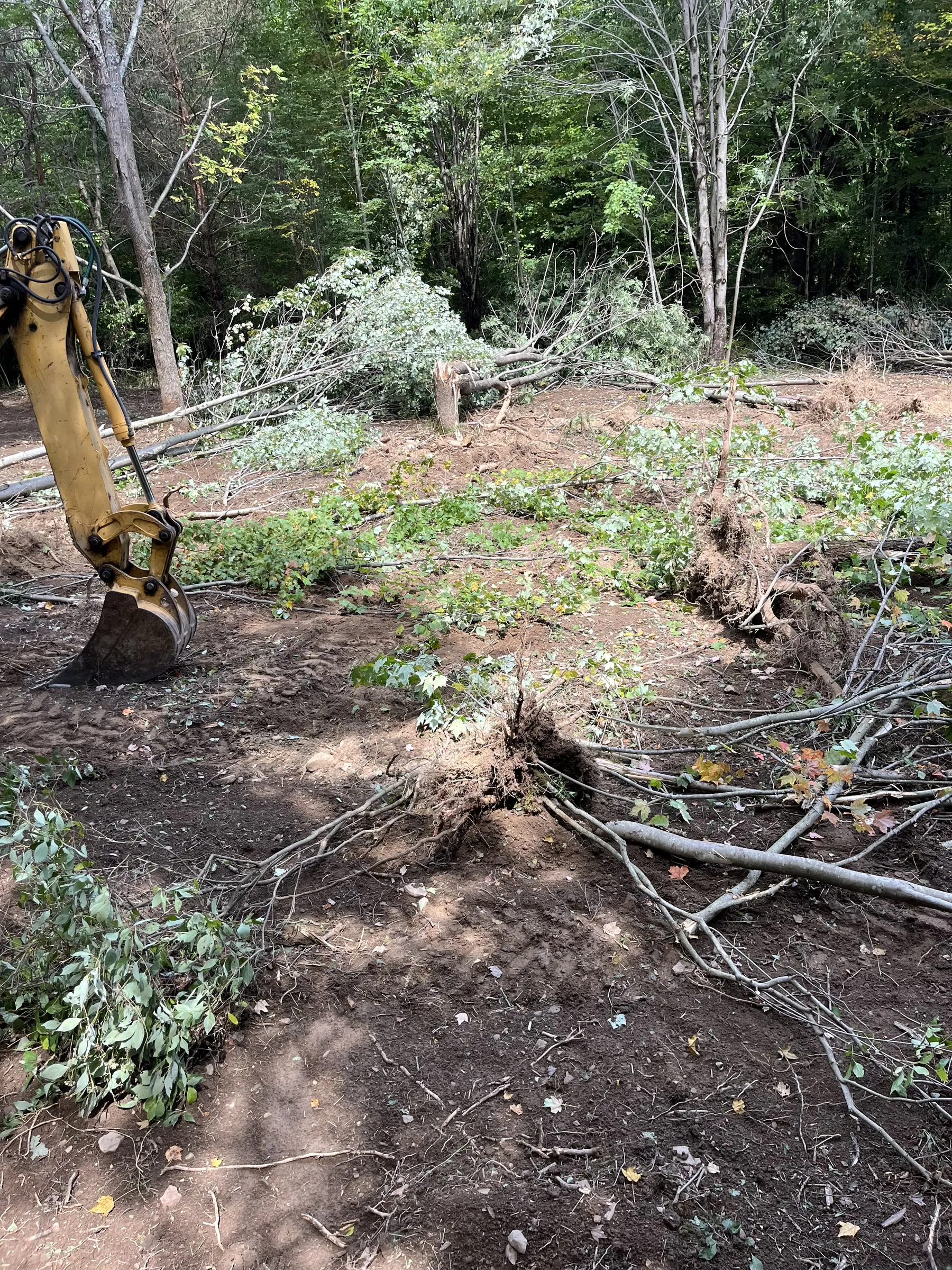
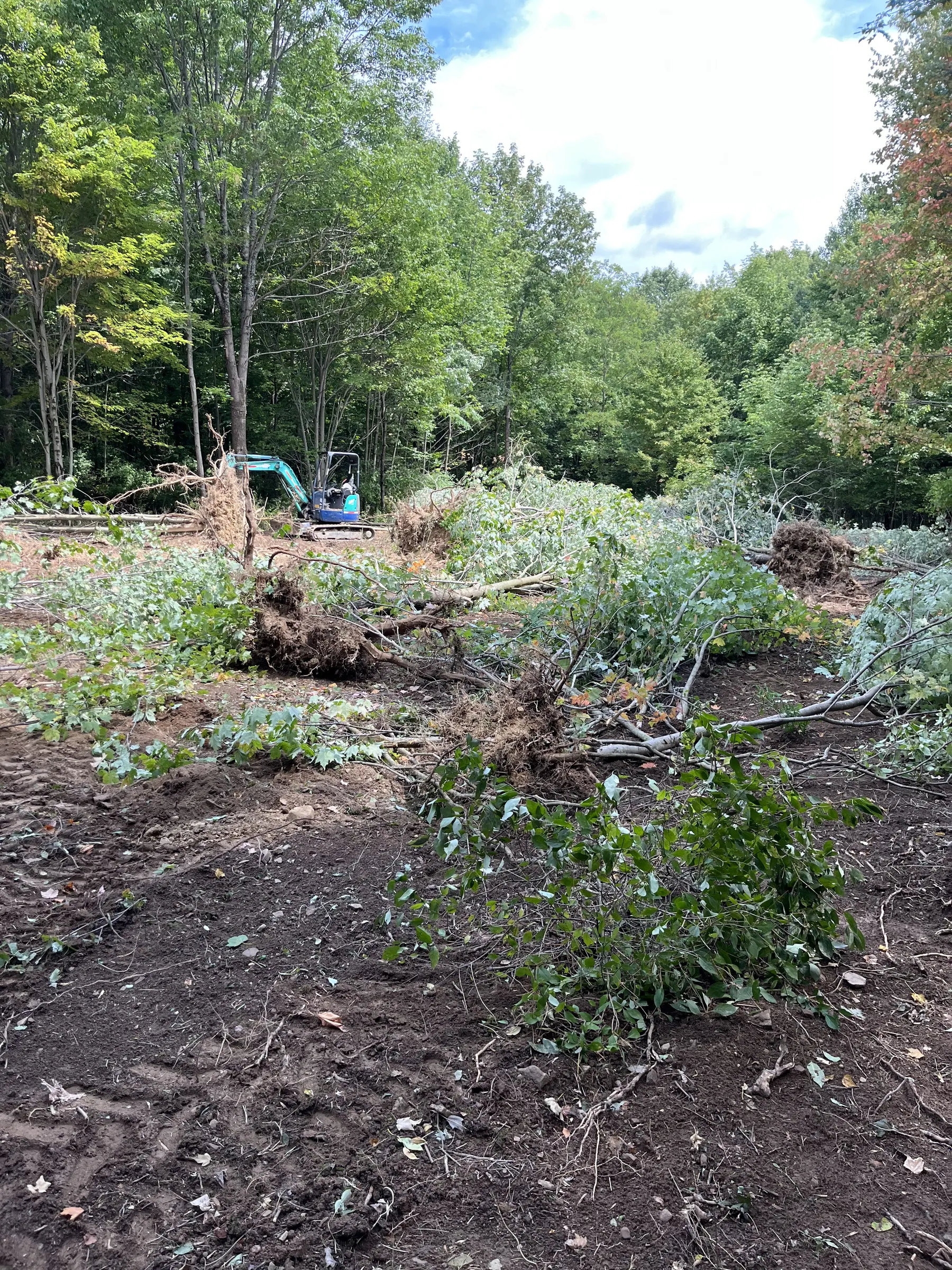
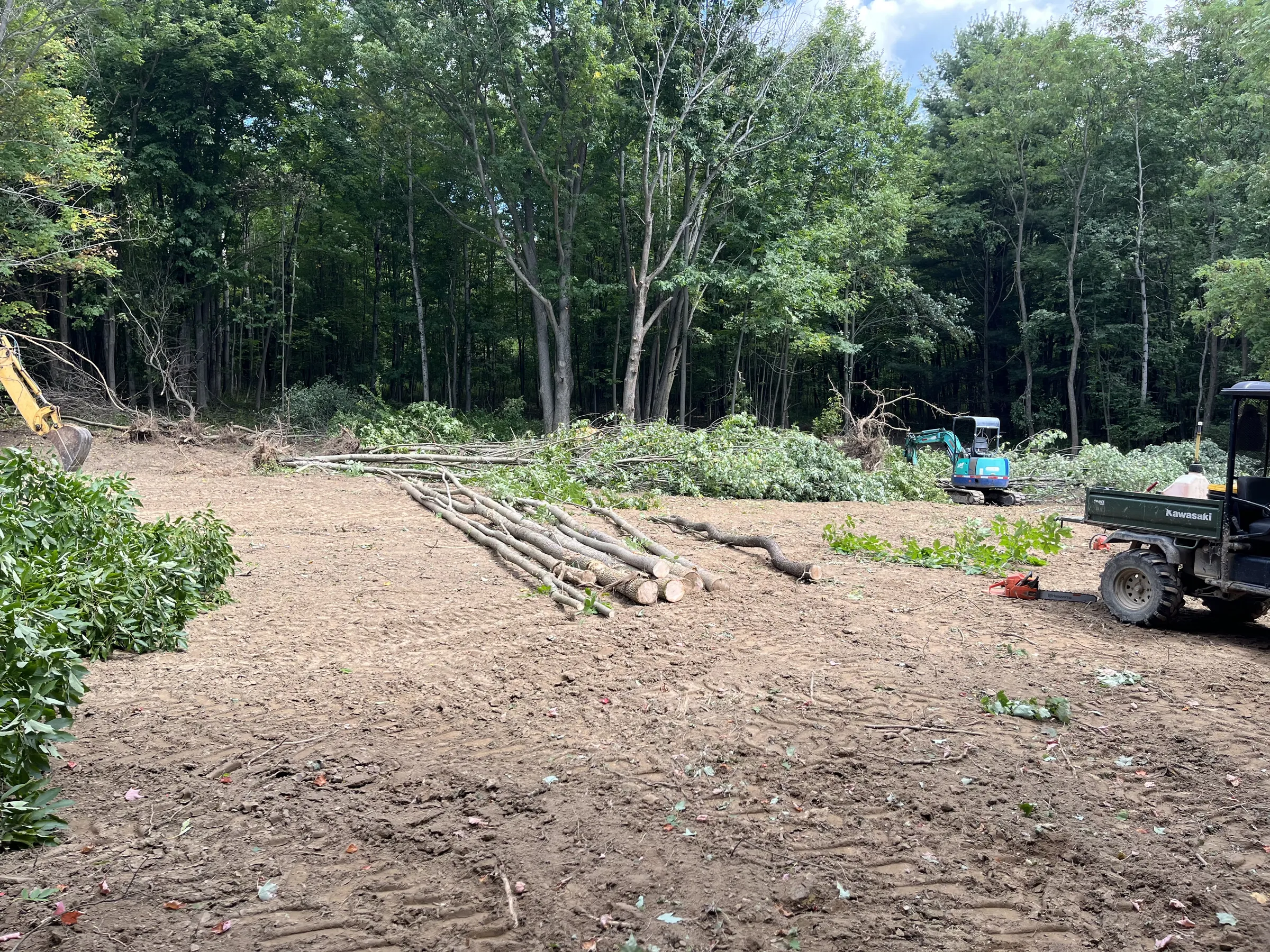
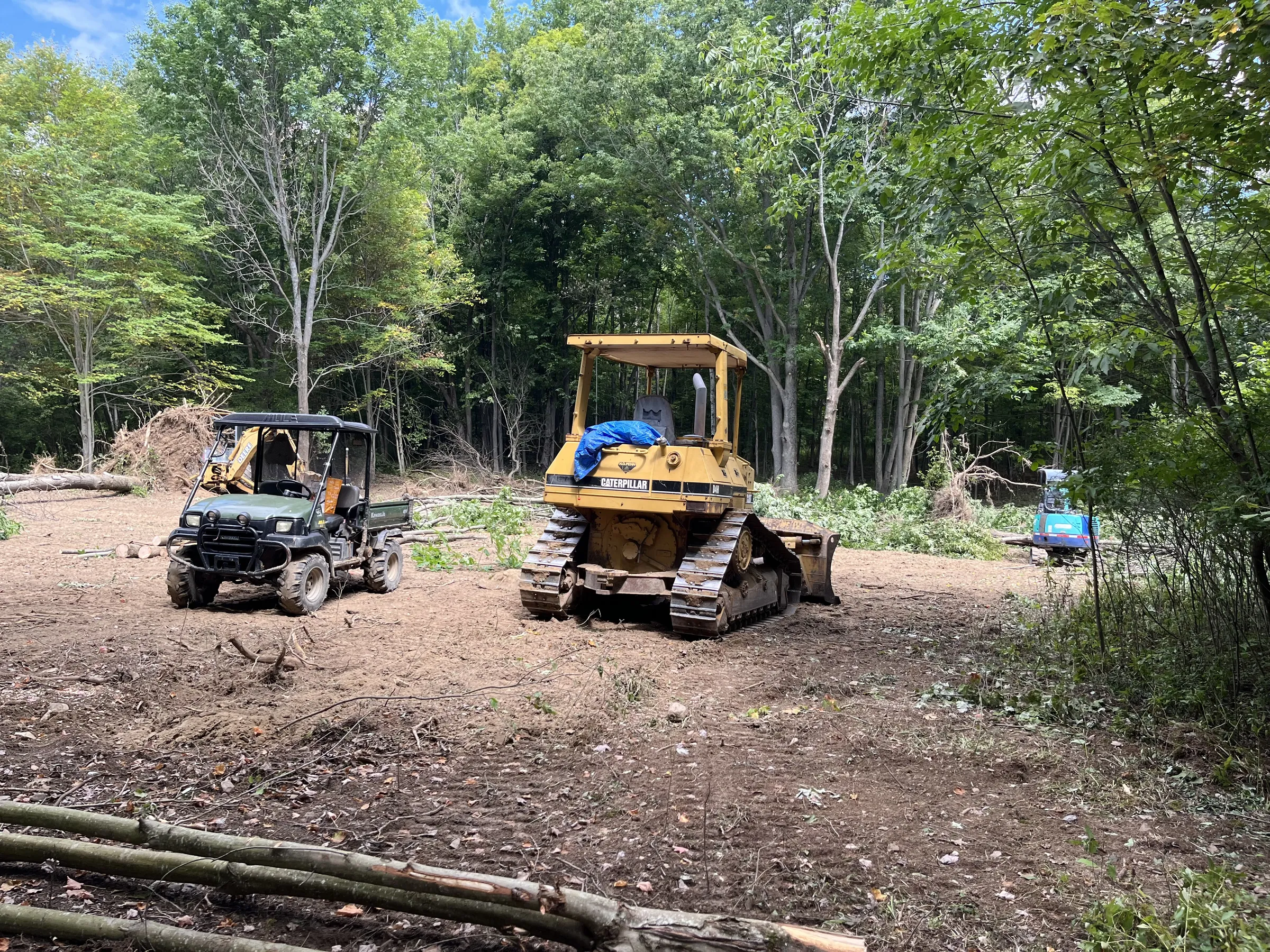
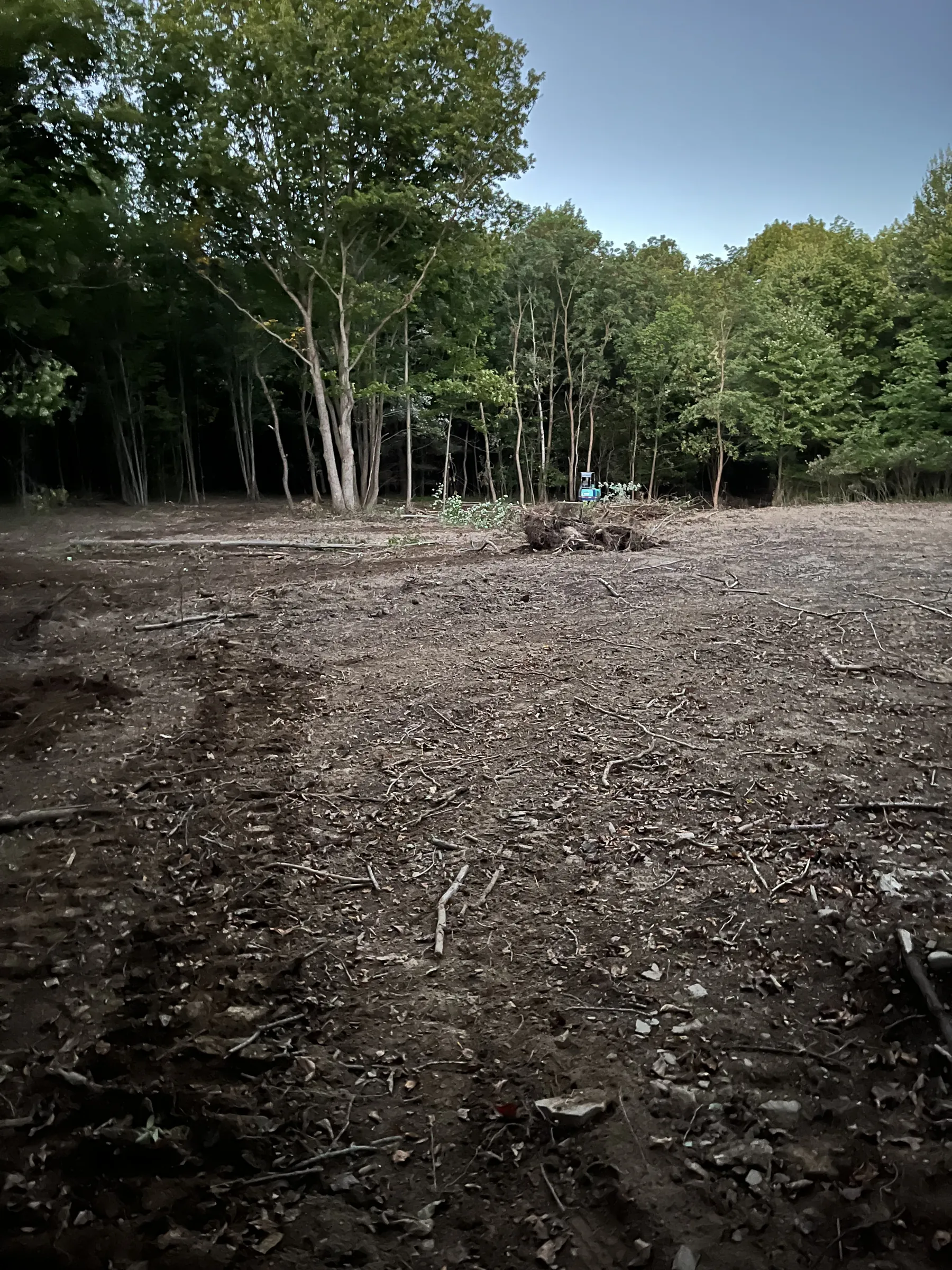
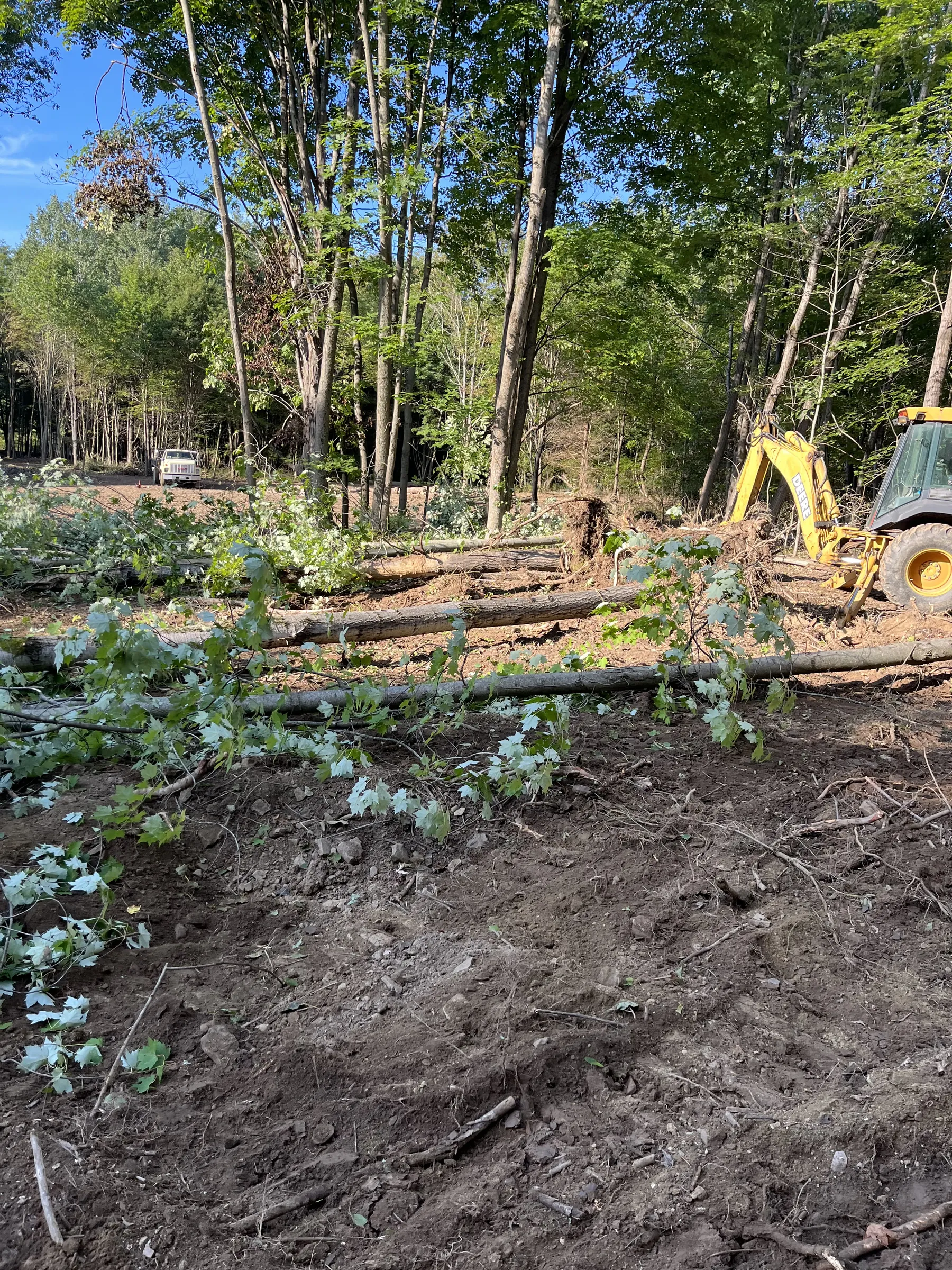
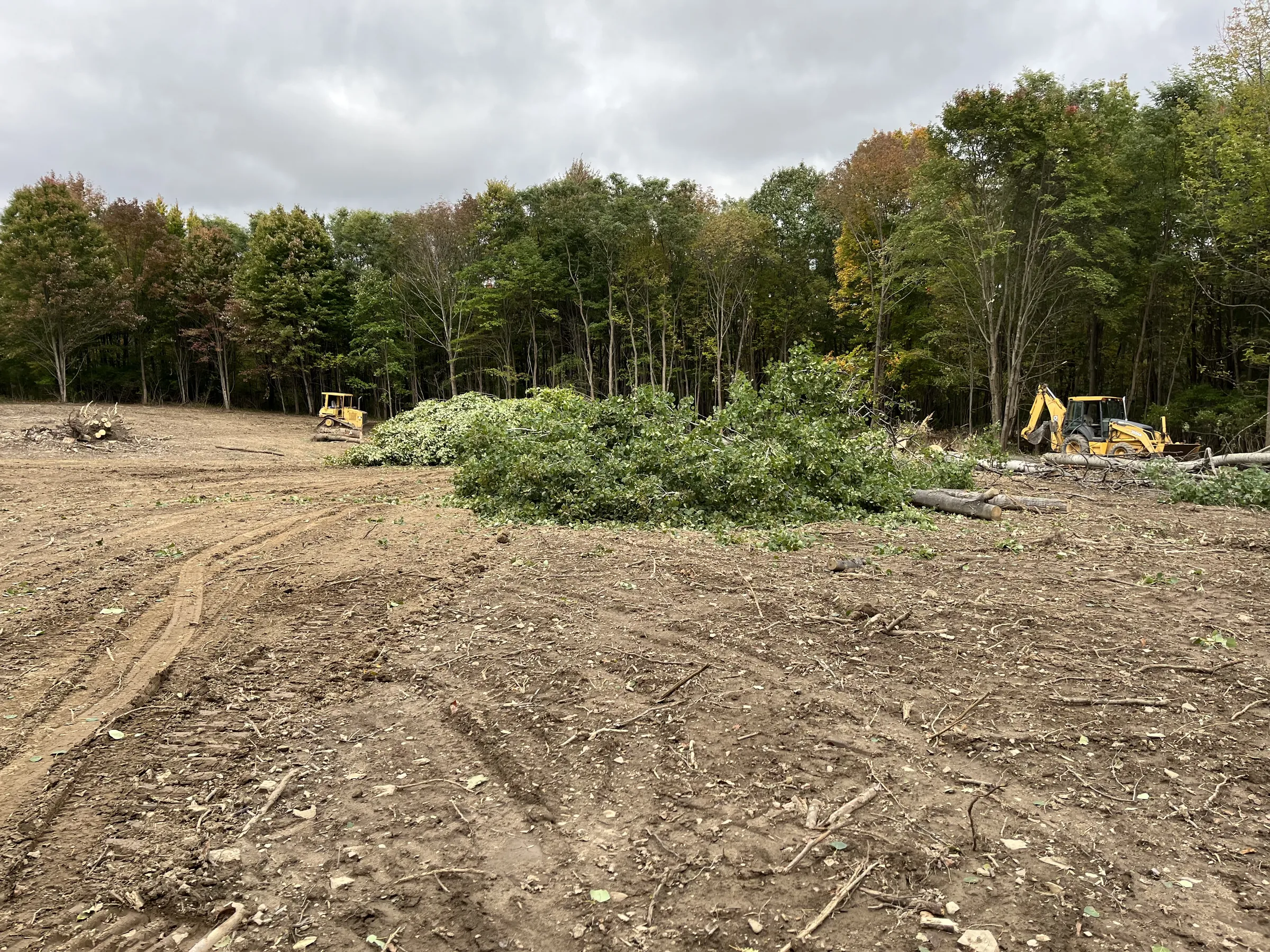
A wooded parcel cleared of trees and brush, then excavated and shaped into a pond.
Need Land Clearing?
Send the location and a few photos of the site and we will get back to you.
Common Questions
Do not see your question here? Ask us directly when you send your project details.
Ask a Question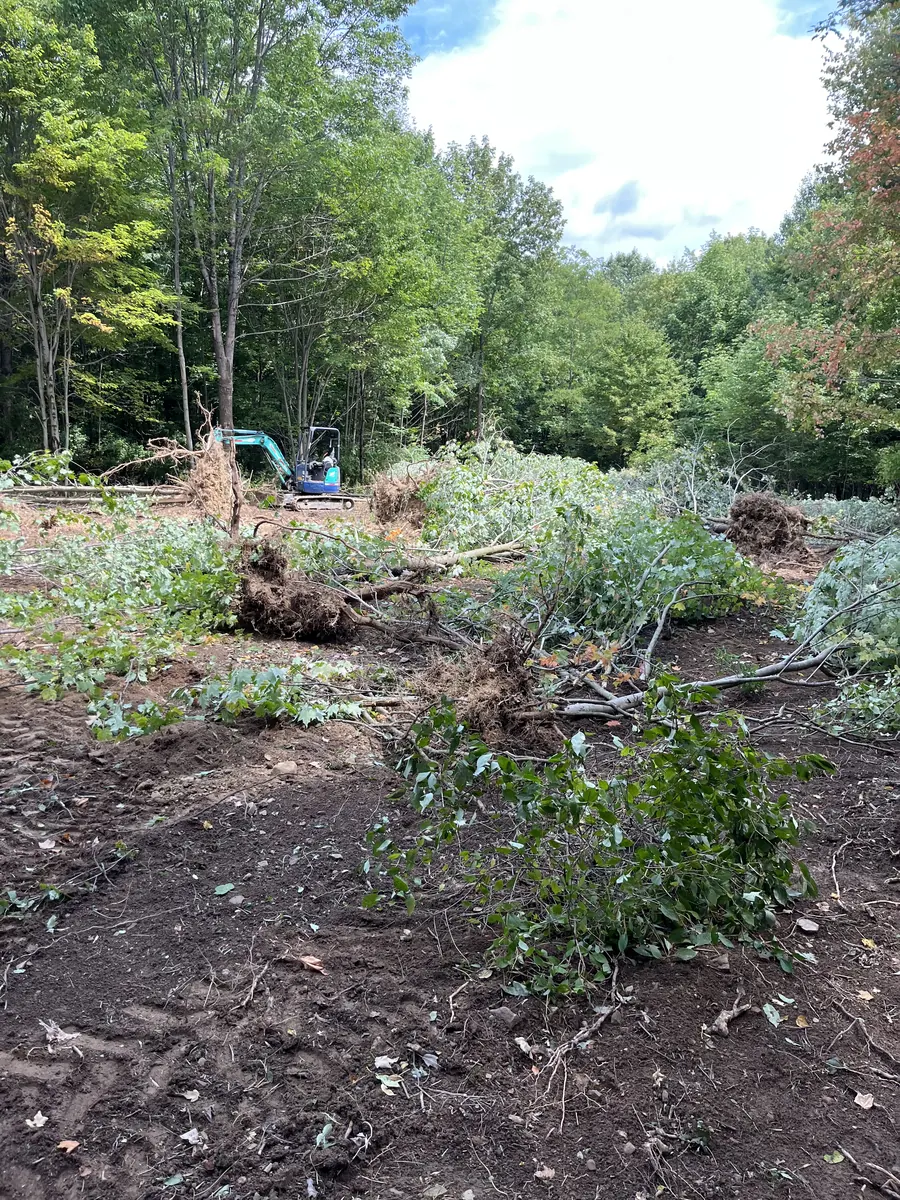
Can you leave certain trees standing?
Yes. Flag the trees you want saved and we work around them. It is easier to take another tree down later than to put one back.
What happens to the logs and brush?
That is up to you. Logs can be stacked for firewood, and brush can be piled or hauled. We agree on the plan before work starts.
Do all the stumps need to come out?
In building areas, driveways, and anywhere the ground needs to carry weight, yes. Outside those areas, some owners choose to leave stumps to break down naturally.
Do I need a permit to clear land?
It depends on the town and whether wetlands or streams are nearby. Check with your town, and with the DEC if wet areas are involved, before clearing starts.
Do I need a permit to clear land in Monroe County?
It depends on your town and the property. Some towns require a permit or site plan approval for clearing or grading, and wetlands or streams can bring in NYS DEC Region 8. Check with your town building or planning office first.
What is the best time of year to clear land around Rochester?
Late fall and winter often work well because leaves are down and the ground can be firm. Spring thaw is usually the hardest time on wet or clay sites. The right timing depends on your soil and any seasonal rules that apply.
How do I know if part of my lot is a wetland?
Standing water in spring, wet-loving plants, and soft, dark soil are common signs, but only a proper review can say for sure. If you suspect a wetland, contact the DEC or your town before clearing that area.
Will clearing my lot leave a lot of rocks?
On many sites outside the lake plain, yes. Glacial till holds a lot of stone, and stumps often bring rocks up with them. We plan with you for what happens to the stone, whether it stays on site or is hauled.
Helpful Reading
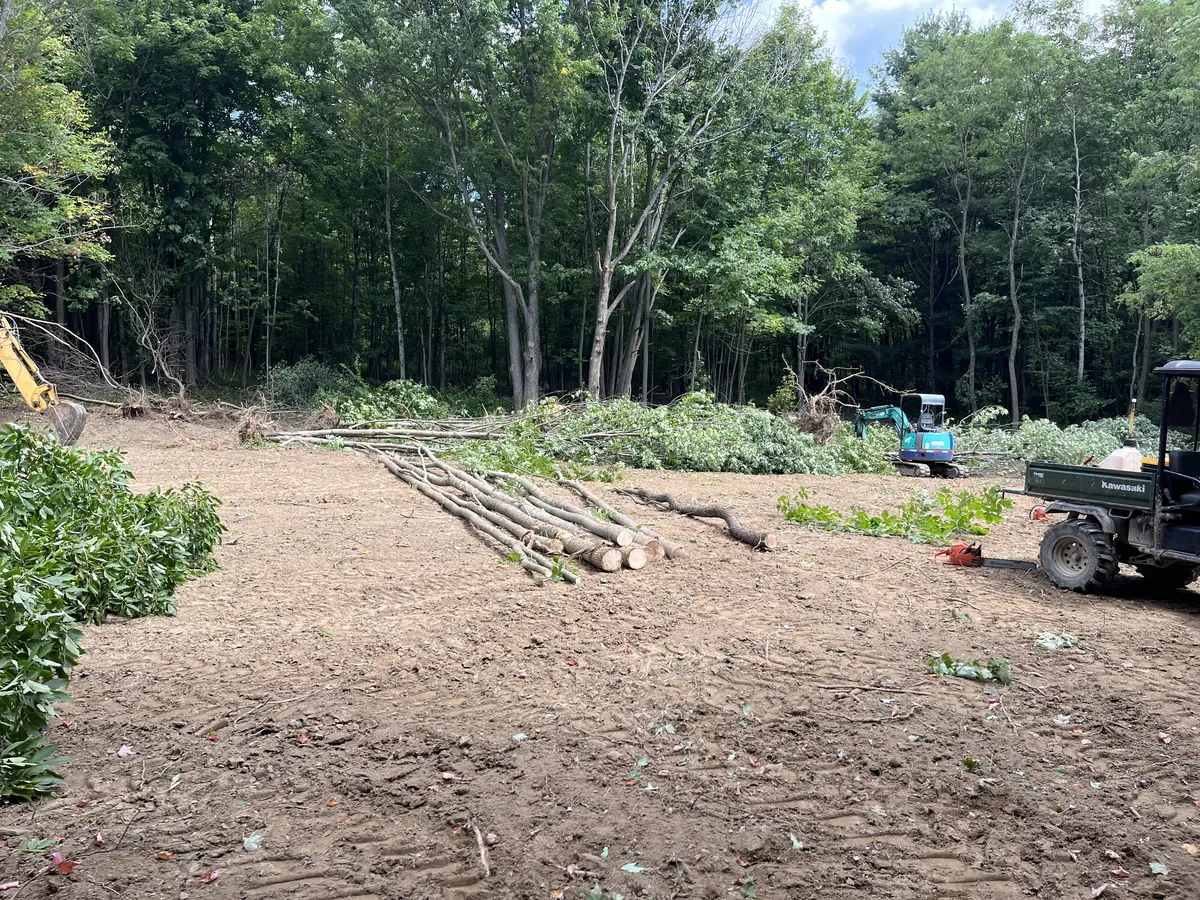
Land Clearing for a New Home in Rochester, NY: What the Process Looks Like
Turning a wooded lot into a buildable site takes more than cutting trees. Here is how land clearing usually unfolds around Rochester, NY, from marking the clearing limits to stump removal and leaving ground that is ready for a foundation.
April 15, 2026 · 6 Min Read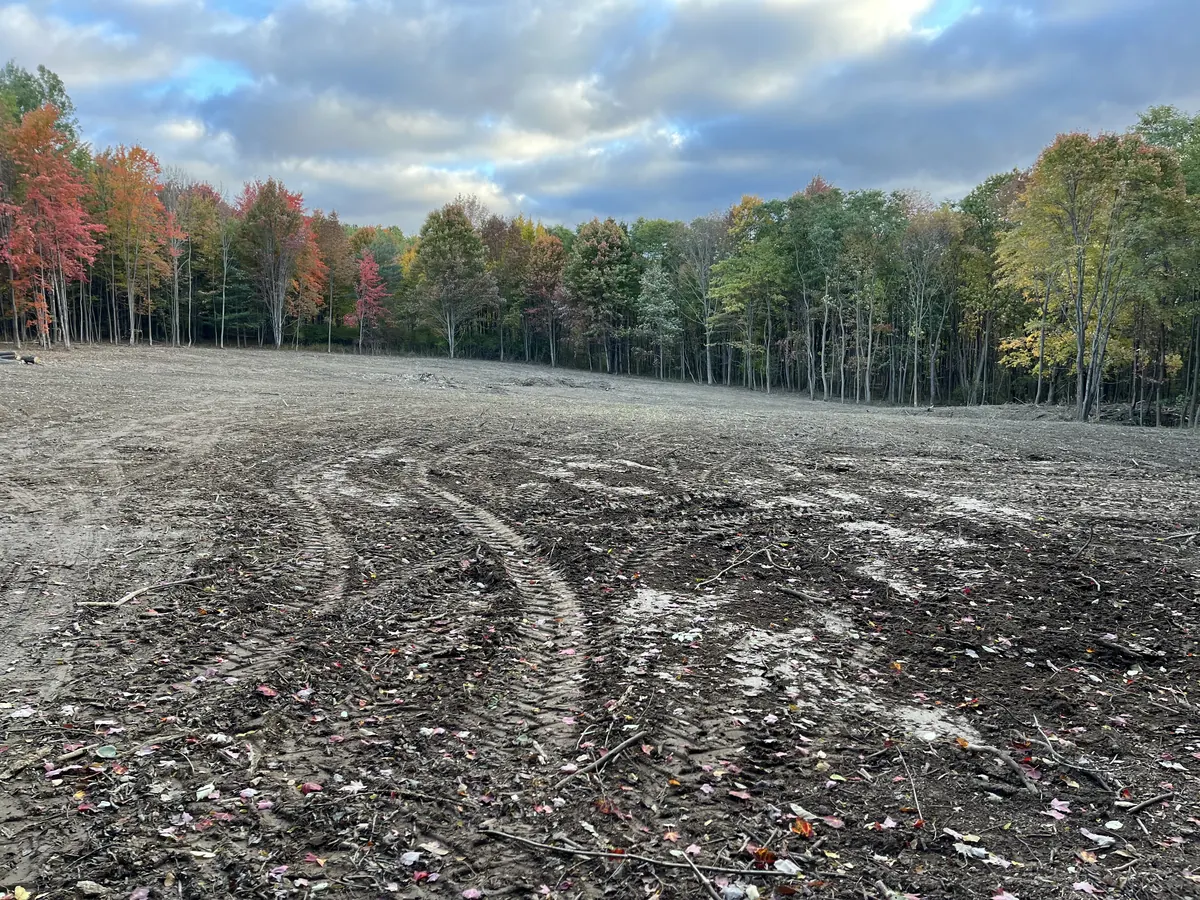
Planning a Pond in Rochester, NY: What to Think About Before You Dig
A pond can add beauty, wildlife, and water to a property, but only if it holds water and holds up. Here is what Rochester-area landowners should think about before pond excavation starts, from location and soil to spoil, depth, and permits.
May 13, 2026 · 6 Min Read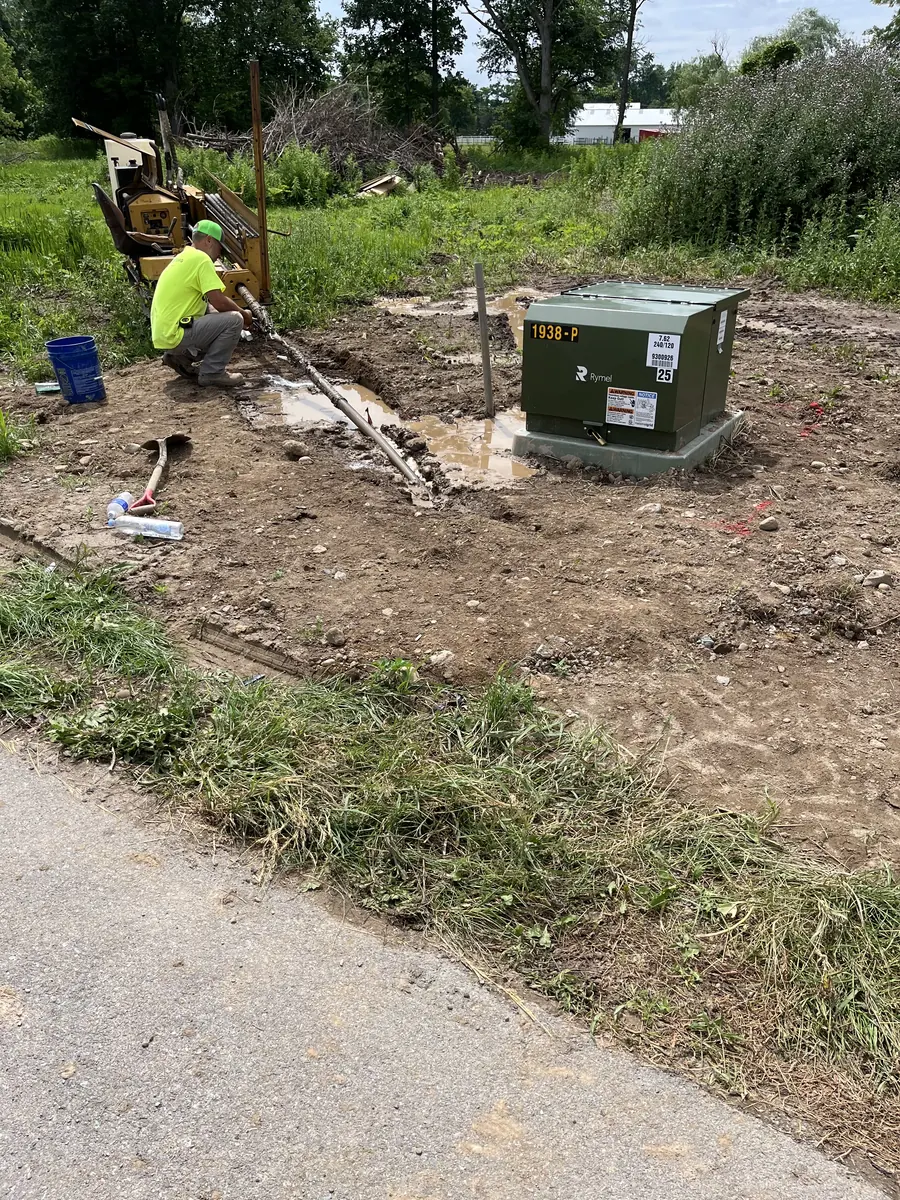
Before You Dig in Rochester, NY: Calling 811 and Preparing Your Property
Every excavation job starts with knowing what is already underground. Here is how utility locates work through Dig Safely New York in the Rochester area, what 811 does not mark, and how to get your property ready for equipment.
March 18, 2026 · 6 Min ReadOften Done Together
Pond Construction
Excavated and shaped ponds, from a cleared site to finished banks.
Learn More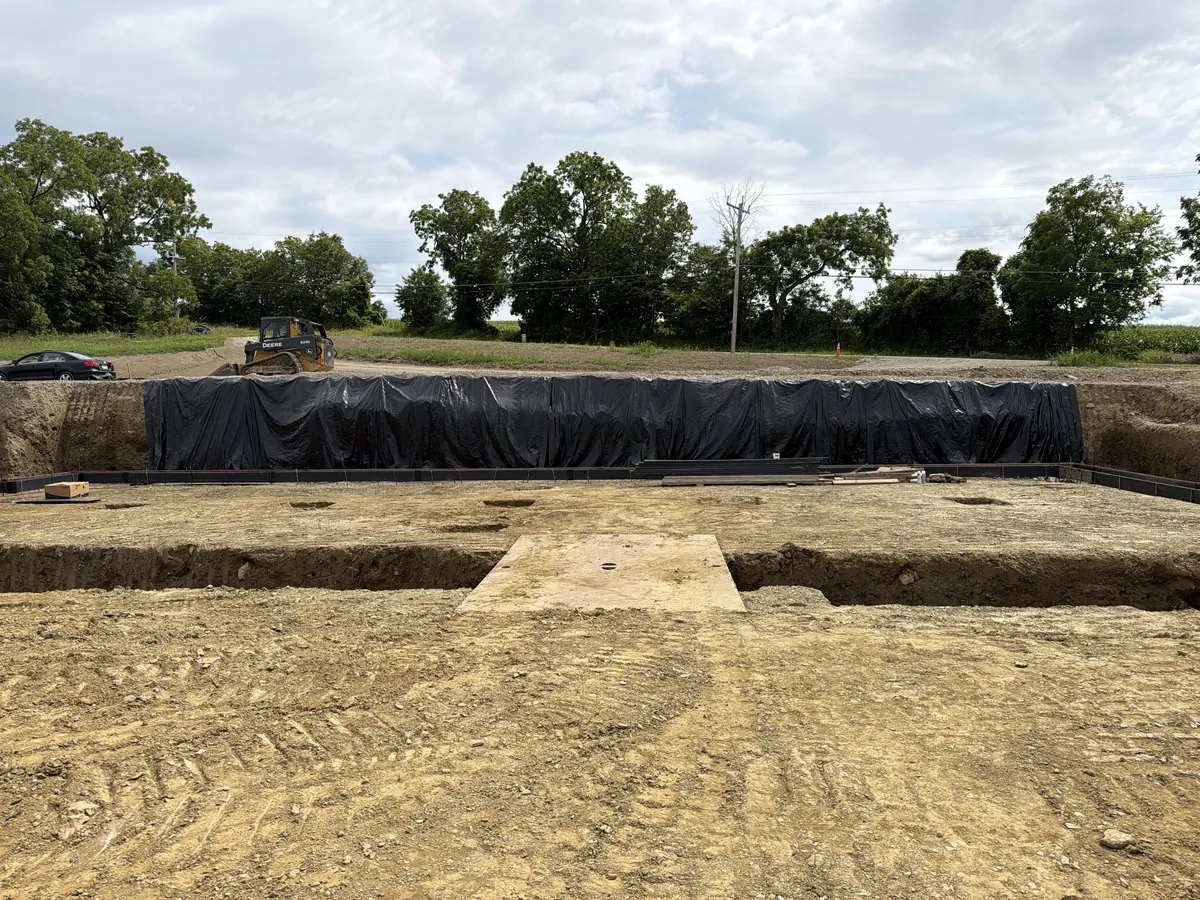
Site Work and Excavation
Site prep, foundation digs, trenching, and grading to get a build started on solid ground.
Learn More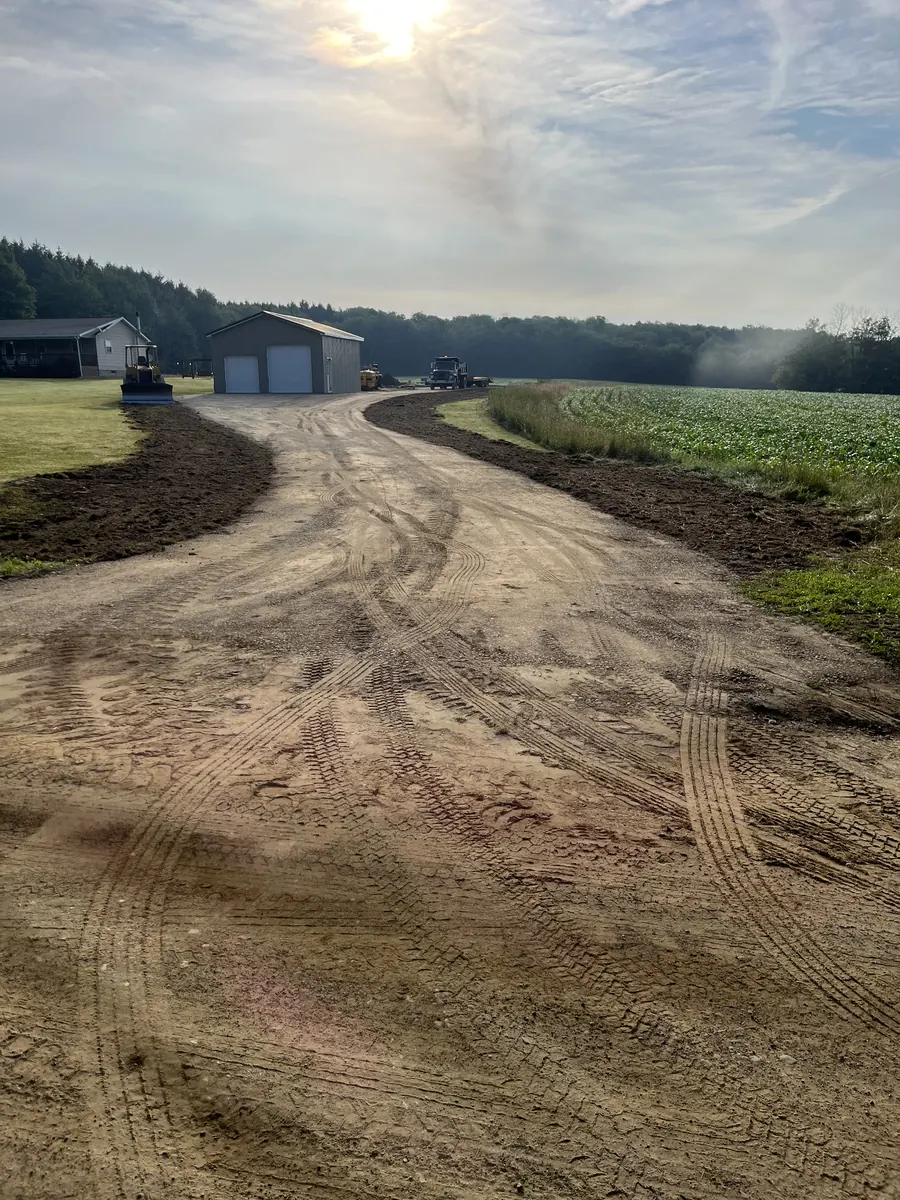
Driveways and Paving
New gravel driveways and paving, graded and built to drain.
Learn More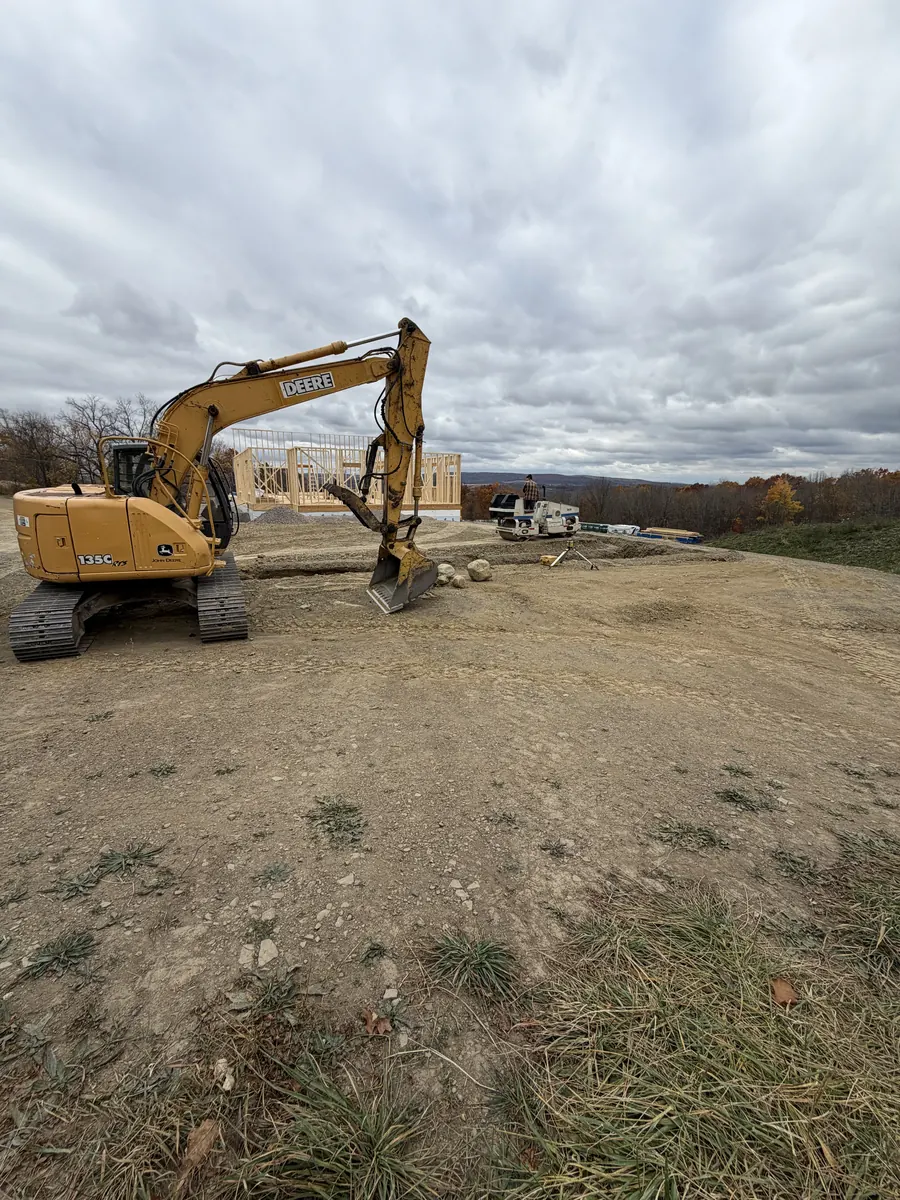
Got Ground That Needs Work?
Send us the location, what you need done, and a few photos. We will get back to you to talk it through.
Request a Quote